Do you want to wear a skirt in a way that ensures you are comfortable without it riding up? If so, read on to get everything you need to know about skirts.
Why Does Your Skirt Keep Riding Up?
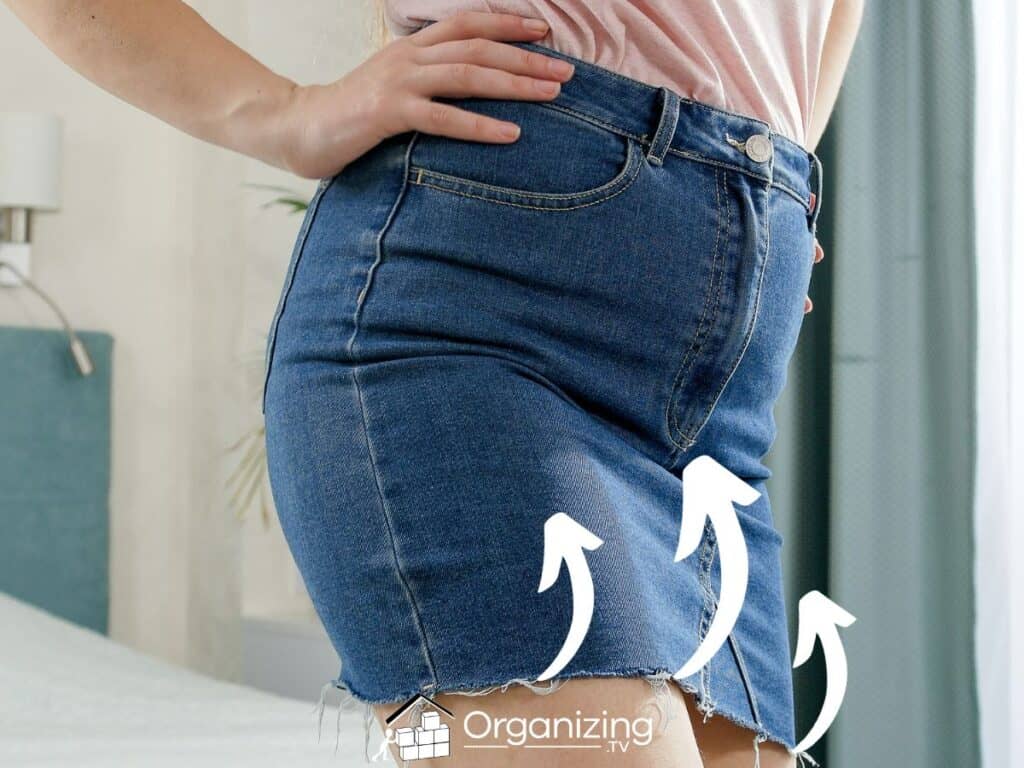
The skirt material is thin.
You may have noticed that short skirts that ride up are mostly light fabrics. You would not wish to spend the whole day trying to keep your skirt from riding up. T
o avoid this, the next time you wear one, you need to ensure it’s made of a thicker or heavier fabric. Alternatively, you can choose denim, an ideal material for short skirts.
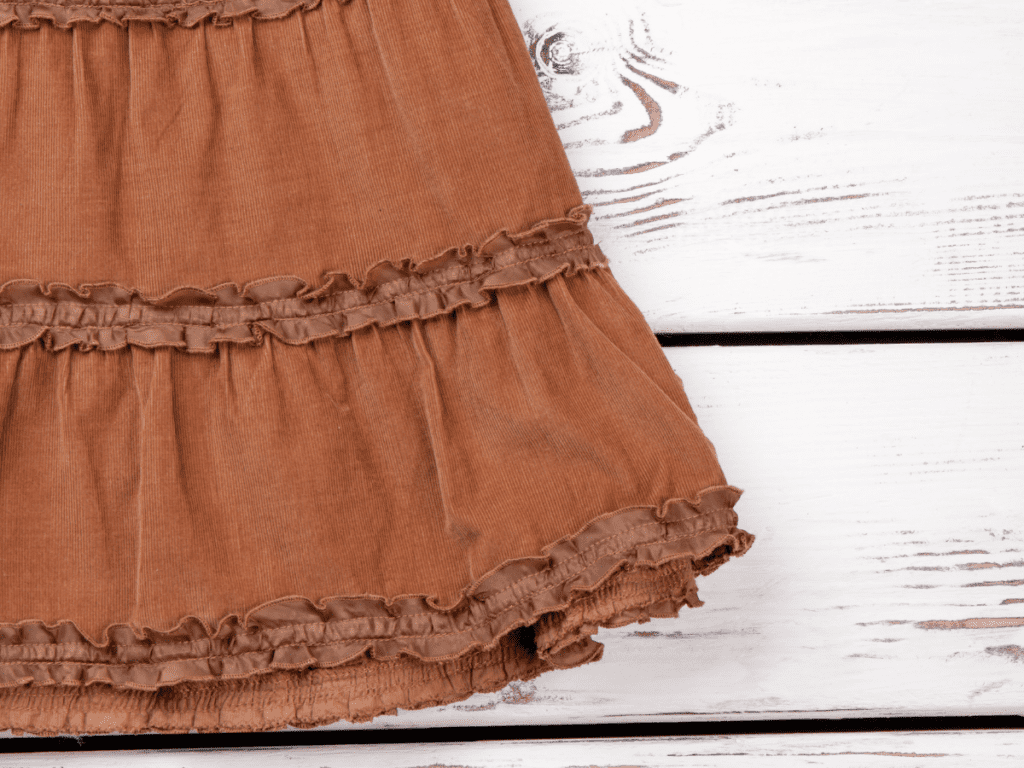
The skirt is not of the right size.
You may be wondering why your skirt is riding up as you walk, and it looked nice on you when you fitted it at the mall. Your movements were too limited to determine whether that short skirt was your ideal size at the fitting cubicle.
That’s why it would be great to try your exact size and a big one. You’ll get to choose the size that looks better on you by doing this. If you prefer the bigger size since it does not ride up, then it means that you have enough material to adjust your skirt to get a proper fit.
The skirt does not fit your body shape.
Generally, we all have a unique body shape and build. So, it’s not surprising to find a skirt that may not be the right style for your body shape. This may result in the skirt riding up your thighs. Keep in mind that there are many skirt styles to choose from. Therefore, don’t give on looking for a dress that when you wear makes you comfortable and confident
The skirt is just too short
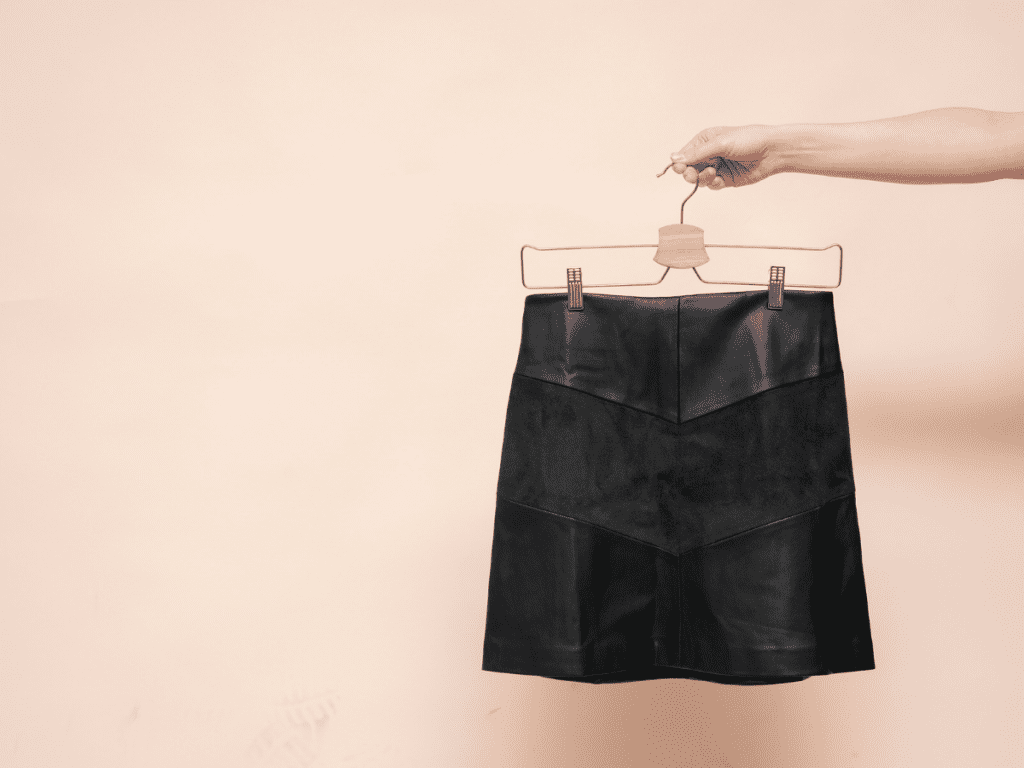
Some skirts are just made too short. They may look as if they are riding up, but the fact is they are not. This might be because there isn’t enough fabric to cover most parts of your thighs. You should avoid these short skirts since there’s no way to fix them. If not, you can decide to layer them when wearing tights, especially during the winter season.
Why are skirts short?
Short skirts offer you more freedom because you can wear them in almost any place at any given time. They can look casual to formal, depending on how you want.
During the hot season, most women prefer short skirts as comfortable outfits. Why?
This is because they are lightweight and easy to wear. However, when the skirts become too short for comfort, that’s when the problem starts.
How to Prevent Your Skirt From Riding Up
Wearing a skirt is your choice as a woman. Unfortunately, it may be seen or come off as something that isn’t at par with some cultures.
With this in mind, check out the guideline below to figure out how you can wear skirts comfortably and without offending anyone. At the same time, you will learn how to prevent a skirt from riding up.
Choose A-line or a flared skirt.
Ensure that you choose one that doesn’t ride up your legs when buying a new skirt. For example, an A-line or a flared skirt is still short and flattering, but the good thing is it doesn’t ride up. Short flared skirts are more comfortable to wear and don’t show too much skin compared to a tight mini-skirt.
Examples of skirt styles that are not too tight-fitting include skater-style, pleated, or button-down denim skirts. However, note that the flared skirts can be easily blown up when it’s windy. Therefore, if you know it will be breezy outside, choose wool, denim, or corduroy skirts.
Go for a little extra length.

You should find a slightly longer skirt if you like wearing a fitted skirt in a stretchy material. Considering it’s fitted, it might still feel short.
Fortunately, the extra length will prevent the skirt from riding up. It’s also good to get fitted skirts that only skim the outside of your legs instead of skirts that hug them tightly. A perfect example of stretchy skirt material is a fitted knitted skirt.
Try putting on a “skort.”
The best way to prevent exposing yourself to the wind or your skirt from riding up your legs is to wear a skirt with built-in shorts underneath. So what is a skort? A skort is a clothing piece with shorts showing at the back and a skirt flaps on the front. Another garment that serves the same purpose as a skort is a “scooter.”
The difference is that a scooter has skirt panels that cover the shorts entirely. I recommend you wear a long skort that fully covers the shorts if you want something that will not accidentally expose your skin.
Here’s how to keep your shorts from riding up in case you want to read further.
Get a skirt that sits at the natural waist.
You are making use of the normal length of your short skirt when your skirt’s waistband sits at your natural waist. This is because your natural waist is the narrowest part of your torso. You would feel a little less exposed when your skirt sits at the natural waist.
Short skirts are nifty, easy-to-wear, and look great on anyone making them great outfits for any time of the day. But remember, not all short skirts will look flattering. Some may make you feel exposed by riding up your legs. So, consider styles that will enable you to move confidently and comfortably.
Best Way to Fix Your Skirt From Riding Up When You Walk
Having a skirt that rides up is a very uncomfortable scenario since you have to ensure you pull it down now and then. Failure to do this you may find quite embarrassing.
Skirts are supposed to make you move freely, especially the short ones. However, at times they do the opposite. Below are tips to help you prevent your skirt from riding up when you walk.

Sewing a slip to use with a skirt sewing a slip that you can use for your skirt is the traditional way to keep your skirt from riding up your legs. The best material to sew a slip should be more slippery compared to the skirt material.
This is because the slippery fabric is less clingy, preventing the skirt from riding up. China silk is an excellent example of a popular fabric used to make a slip. Take note that you can sew a slip for any skirt length. The only thing you need to ensure is that the slip length should not go beyond the hem of the skirt.
Sewing extra inches of similar fabric to the bottom of your skirt
You can sew a few inches on the bottom of your skirt if you have extra inches of the skirt fabric to prevent it from riding up. You can as well opt for a similar color of fabric and fix it at your skirt ends. It will serve two purposes; as a different design to your skirt and make your skirt long to prevent it from riding up.
Sew a chain on the turn-up of your skirt
If overexposing your skin is an issue due to strong winds, an innovative technique is to sew a chain on the hem of your skirt. This chain will increase the weight of your skirt and prevent it from getting blown by the wind or riding up.
You can sew the chain on either side of your skirt.
Put on jeans, leggings, or pants.
Another best way to prevent your skirt from ridding up is to wear leggings or cycling shorts under your skirt. Putting on cycling shorts under your skirt enables you to move comfortably without fear of your skirt riding up or being blown by the wind.
Remember to wear the colored ones and not nude shades since you are not enhancing your situation by doing so.
You can keep yourself warm and prevent your skirt from riding up by layering it. Wearing jeans or pants beneath your skirt is a great idea, especially during colder months.
Here’s how to keep pants from riding up.
Using hairspray
Another alternative to prevent your skirt from ridding up is to create a thin layer of hairspray on your legs and the top of your thighs. This method is mostly used by gymnasts to maintain their leotard shape and has proven to be very effective.
Why does my skirt twist when I walk?
When skirts are too short, they may crawl up. Furthermore, if the skirt is already close to the body, adding a slip or lining will create another layer of cloth to creep up inside the first layer. The slip or inner fabric will form extra creases and lumps under the outer fashion cloth.
Though various factors can make your skirt twist, your body type and the style of skirt you’re putting on are two of the most common reasons. If your waist is smaller than your hips, tailoring won’t solve the problem.
Why does my skirt twist when I run?

One of the main reasons your skirt may twist while running is wearing an oversized one without a belt. It is always wise to put on a skirt that fits your waist well to avoid such embarrassment. Another reason is wearing your skirt below the waist, as it has nothing to grab onto.
Do ladies wear slips anymore?
According to Cheryl Paradis, an account executive for Mapale, slips are no longer used. This started in the early ’80s as people abandoned layering and became more comfortable when exposing their skin. Before, it was a tradition for anyone wearing a dress or a skirt to wear a slip. Currently, it is no longer the case.
How to keep slip from riding up
When wearing a short dress or skirt, create a thin layer of hairspray on your legs and top of your thighs to keep everything in order. This method is mostly used by gymnasts to maintain their leotard shape and has proven to be very effective. Try it and prove it by yourself.
I have also created a comprehensive guide on stopping all your clothes from riding up that may interest you to read next.

I’m an expert wardrobe organizer and a bit of a clean freak. I created this website and its YouTube channel to share practical guides about laundry and organizing. My teachings have been featured in multiple large news publications, and I’ve self-published two wardrobe organizing books and an entire course on the subject.