
If you are wearing bike shorts, rompers, or leggings, everyone has these nowadays, and then you must have wondered how to prevent camel toes.
I have come with good news to tell you there is a solution, and not just one! The best approaches will help you rock high-waisted underwear without minding about the dreaded front wedgie.
You can pair your thong underwear with a hemp bra without the burden of adjusting it every few seconds.
But to ensure you know how to prevent camel toe effectively, I have provided a list of methods you can use.
I have you covered whether you want to learn how to avoid camel toeing, get rid of them, or suppress them.
What is Camel Toe?
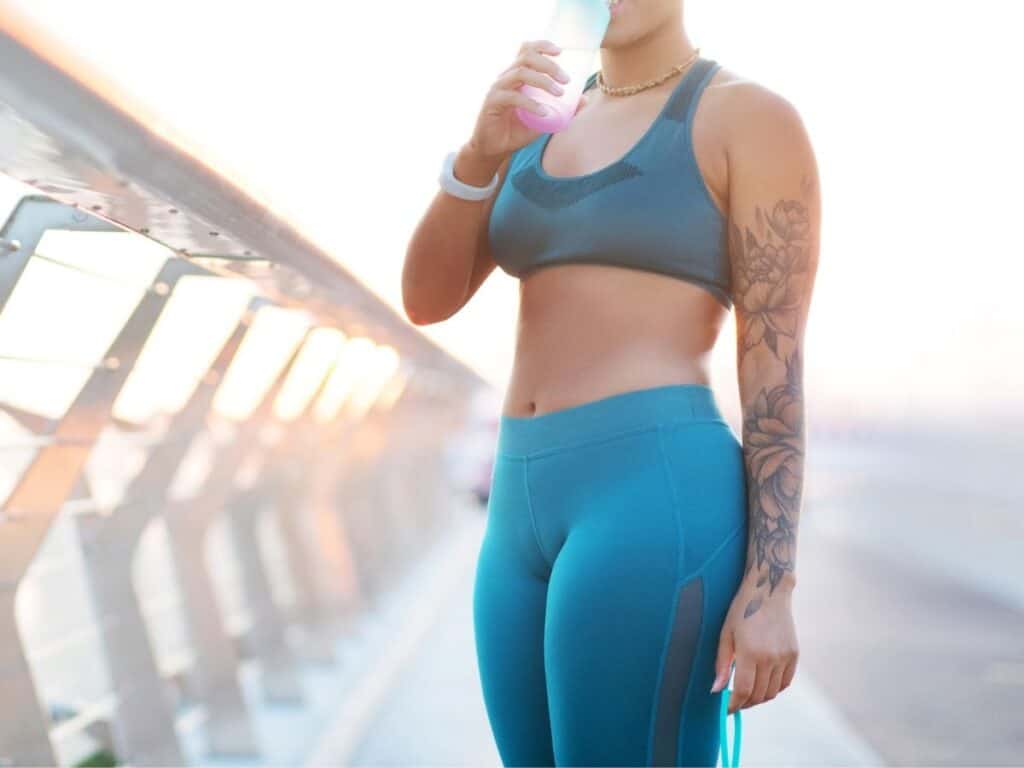
If a woman’s labia majora is outlined in tight-fitting attire, it’s referred to as “camel toe.” The main culprits are fitness wear, spandex shorts, leggings, swimsuits, and yoga pants.
Camel toes are not only unattractive and annoying, but they are also quite uncomfortable.
It is true that every woman has had a camel toe at one point in her life. Many celebrities have been seen on camera wearing attire that has unintentionally highlighted their labia.
While society should cease demeaning women’s bodies, we all wish to prevent camel toes. Here are a few techniques on how to prevent camel toe, but first, let’s understand its cause.
What causes camel toe?
To understand how to prevent camel toe, you must first understand why it occurs. The most common cause is the incorrect size and fit.
You get a camel toe when your garments are excessively tight (hello, leggings) or too much additional fabric that doesn’t hang right, such as hi, oh, and flowy shorts.
The fabric scrunches up in all the wrong places or bunches up in your crotch.
What’s the result? Camel toe? Wedgie in the front? Cleavage on the crotch? Whatever you want to call it, it is hectic.
But, more importantly, it may pose a health risk. Vaginitis, which a yeast infection or bacterial vaginosis can cause, affects about 75% of all women at some point in their life.
Tight clothing, which promotes camel toe and restricts the airy environment your private part needs to remain healthy, is one of the worst offenders.
Going Commando
One of the most common causes of camel toe is not wearing panties under yoga leggings. It’s just one layer of cloth between you and the rest of the world.
The fabric tightens in different places and can become stuck. Wearing panties underneath activewear is the simplest solution for camel toe.
Improper Fit
Leggings come in a variety of styles to fit various body types. Camel toe is frequently caused by the fit of certain yoga trousers on some ladies.
Fabric that has been stretched too far tends to cause strange things. It can dig into the hips, behind the knees, upper glutes, and crotch.
Yoga leggings that are overly loose and ride up in the front or back behave in the same way.
Try on a couple of different types of leggings and do some squats, downward dog, and other exercises to ensure they don’t squeeze you.
Wearing Leggings with a Front Seam

Yoga clothing with no seams has become increasingly fashionable in recent years.
Perhaps this is due to the fact that stitching (particularly poorly-placed seams) tends to cause problems with tight-fitting pants.
Yoga pants with a front seam are notorious for highlighting cleavage in the crotch area.
Spending a little more on high-quality yoga gear that is seamless or well-made without stitching at the front crease is well worth it.
Wearing Leggings with a Shaved Vagina
Many ladies prefer shaving and Brazilian waxing to the natural bush. Even a small amount of pubic hair acts as a cushion between yoga pants, reducing the likelihood of camel toes.
Going bald might cause more fabric friction or ride up in the wrong places for some ladies.
How to Prevent Camel Toes
You aren’t the only one trying to figure out how to prevent camel toe. We’ve all been in such a situation. It’s nothing to be ashamed of, but I understand how disgusting, uncomfortable, and infectious it can be.
So I’ve compiled a list of eleven tricks to assist you to hide the camel and get rid of crotch cleavage once and for all.
Choose the right fabric.
There’s a reason why ladies employ hemp cloth in their underclothes. Hemp is a natural camel toe repellent.
Hemp is a robust and durable fabric that is 3-8 times stronger than cotton. It comes with enough flexibility to stay put without bunching or shifting.
To help keep bacteria away and avoid vaginal infections, hemp provides breathable and naturally antibacterial underwear.
Hemp provides the hardness you need to smooth camel toes while also allowing you to enjoy the benefits of airy comfort.
There are many other hemp clothing advantages to consider if you’re looking for a way to avoid camel toe.
Hemp, for example, is one of my favorite fabrics because it doesn’t require harmful chemicals or pesticides and gets softer with each wash (while maintaining its strength).
This implies that non-toxic materials keep your nether regions healthy while providing flexibility and endurance—ideal for avoiding camel toes!
Find the correct size & fit.
Remember, if you want to avoid camel toe, you need to wear the right size shoes. Clothing that is too tight or loose without a correct fit can clump up in the front, giving you that uncomfortable wedgie.
You must figure out what size, fit, and style is best for you. A camel toe can be smoothed from the start by wearing the right pair of boy shorts, underwear or hipster panties.
Do you have any questions about boy shorts or why I prefer hipsters? In general, women’s underwear will keep the camel in check, but boy shorts and hipster designs provide a little additional coverage around the hips.
This is also what you get from the rest of your layers. Make sure your rompers, pants, or shorts fit snugly around your hips (but not too snugly) so that no additional fabric sneaks into your crotch.
Wear dark colors
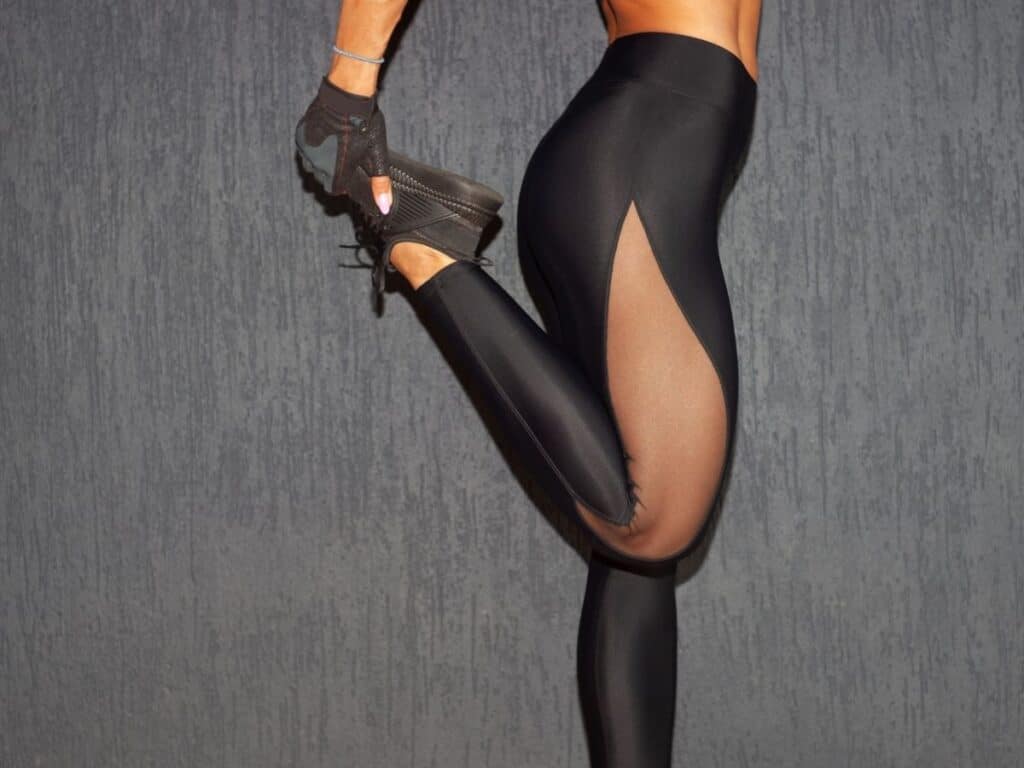
If you’re unsure, go for darker-colored apparel. Imperfections, creases, wrinkles, and even the dreaded front wedgie are all hidden by dark colors.
Unfortunately, if you’re looking for a way to prevent camel toes, this method may not work. On the other hand, dark clothes help in concealing the problem.
Consider colors like black, dark gray, navy blue, and forest green.
You can, however, stick to hemp. Hemp shorts and hemp pants are available from a variety of hemp clothing brands.
Layer your clothing
Layering is another favorite way to hide the camel toe. If you’re worried about a front wedgie when wearing biking shorts, leggings, or slim jeans, layer with a long t-shirt, sweater dress, or tunic.
This style will disguise any camel toes flawlessly while keeping you comfortable in your favorite bottoms.
You may get eco-friendly layers and economical, ethical garments by visiting sustainable fashion blogs.
Opt for loose clothing styles
Loose-fitting clothing is both a remedy and a disguise for people who want to get rid of camel toe. To apply this trick as a remedy, make sure you’re wearing the proper underwear.
Then, to prevent front wedgies, even more, wear loose clothing. Skirts, flowy dresses, and baggy jeans are all great choices—and baggy jeans are currently in style!
If you wish to wear flowy shorts or rompers, make sure they are well-fitting. They may bunch up if they don’t fit and sit properly on your hips or waist when you sit down.
Use panty liners
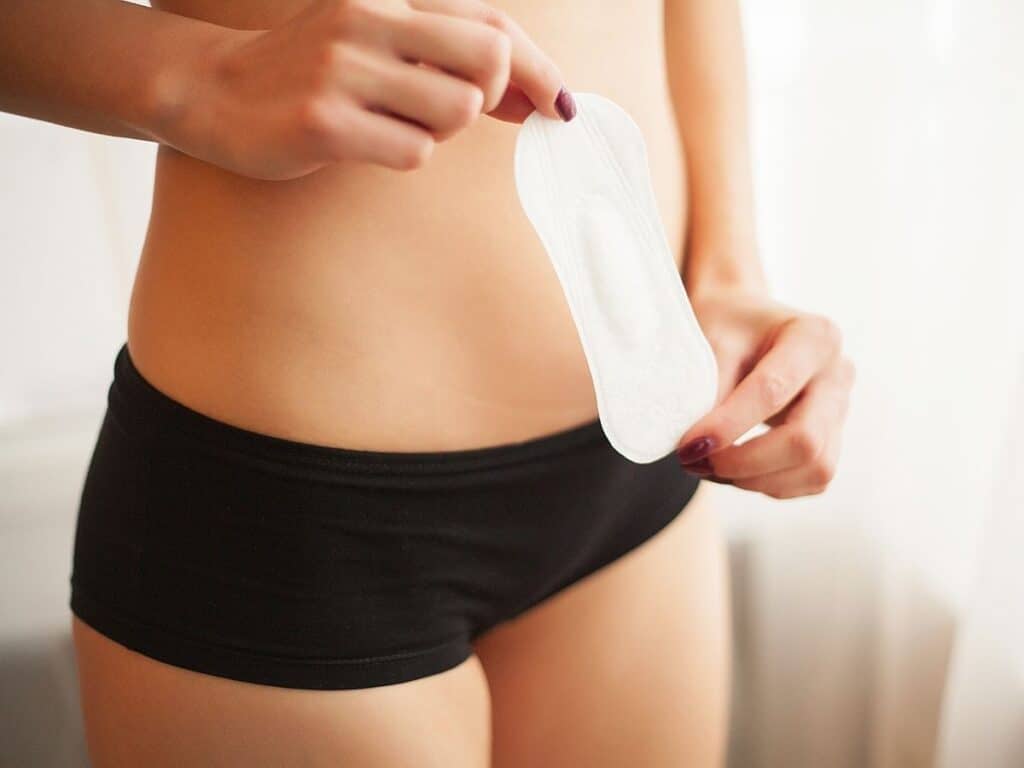
When you’re in a rush or can’t change your clothes, use a panty liner to smooth out a camel toe. Remember that this advice works better while wearing denim or other heavier fabrics.
The panty liner may show through if you’re wearing leggings or other thin fabrics.
Invest in a camel toe pad
Nowadays, you can buy anything, including products designed to hide a camel toe! The ideal choices are composed of a somewhat thicker fabric and function as an insert, similar to a pantyliner.
Nonetheless, I advise caution when using foam or polymer equivalents. They may be uncomfortable, but they may also obstruct the airflow that your private parts require to keep healthy.
You can get them on Amazon (paid link).
Fix camel toe using tissue.
If you realize that your camel toe is evident while you’re out and about and need a quick solution, rush to the bathroom, get some toilet paper, and wrap it three times around your three middle fingers.
Please remove it from the package, fold it in half, and stuff it into your underwear. No one will be able to tell. This is especially effective if you’re wearing thin cloth pants.
Find pants with side seams.
If you must wear pants that are not seamless, purchase the ones designed with seams down the inner or outer things rather than front-to-back.
Wear thick leggings
Thickness is your best friend when it comes to preventing camel toes in leggings. Since thin cloth is less resilient, it is more prone to bunching and movement.
Choose a thicker material that will better keep its shape and not move about. Bonus: you won’t have a see-through bum when leaning over!
Try out seamless leggings.
When it comes to camel toe, the front-to-back seam of leggings and pants is always the problem. Instead, go for seamless leggings that will reduce uncomfortable pulling.
What are the downsides of camel toe?
Discomfort
It could not feel comfortable down there if your garments are causing a camel toe because they are too tight.
Your leggings or pants may feel like they’re “riding up,” squeezing your genitals, or giving you a wedgie.
If you find yourself pulling your trousers down all the time, it’s time to take action!
Breathability
If you have camel toe as a result of tight clothing, you may also find that your garments are too tight to be breathable. This can result in crotch sweat, wetness, and an unpleasant smell.
Go for loose clothing made of natural fabrics that will enable the air to flow if you want to stay dry and fresh.
Alternatively, go for sweat-wicking performance clothing with a cotton gusset for further ventilation.
Irritation
Irritation can be a result of discomfort and breathing problems.
Now, we don’t want to be overly pessimistic and imply that if you have a camel toe, you’ll get irritated or infected.
A camel toe isn’t always abnormal.
However, if it’s happening because your clothes are too tight and you wear them all the time, you might get even more irritated.
Conclusion
Preventing camel toe is not as big a deal as people may think. Having strong, airy, and antibacterial weed innerwear and garments that fit you properly will always be free from this problem.
However, if you require a little extra help, follow the tips mentioned earlier.
You don’t need to shy off if you have a camel toe since it comes naturally. Moreover, the above information should help anyone wondering how to prevent camel toes.
I also wrote a COMPREHENSIVE guide on how to keep your other body parts from awkwardly showing through your clothes. Feel free to check it out next.


I’m an expert wardrobe organizer and a bit of a clean freak. I created this website and its YouTube channel to share practical guides about laundry and organizing. My teachings have been featured in multiple large news publications, and I’ve self-published two wardrobe organizing books and an entire course on the subject.