
Who doesn’t love boots? They’re elegant, stylish, and go with just about anything you wear. What’s not to like about them?
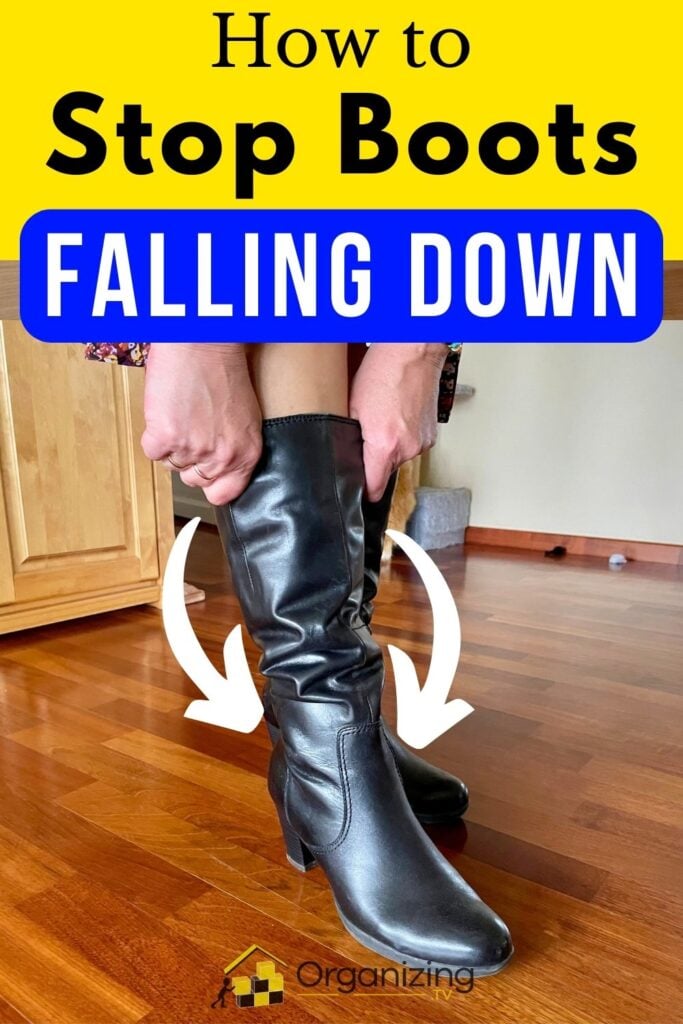
Perhaps when they slouch to your ankles or refuse to stay up. So how to stop boots from falling down?
If your boots tend to fall down and slouch around your ankles, you can keep them up with the help of fashion glue, boot straps, extra thick socks, or fashion tape. You can also try folding the top of the boots over or around your knees to keep them up all day.
Not all of these solutions work with all types of boots. Boot straps and folding the top will only work with non-leather boots. Read more to find out how to keep your boots from falling down all the time.
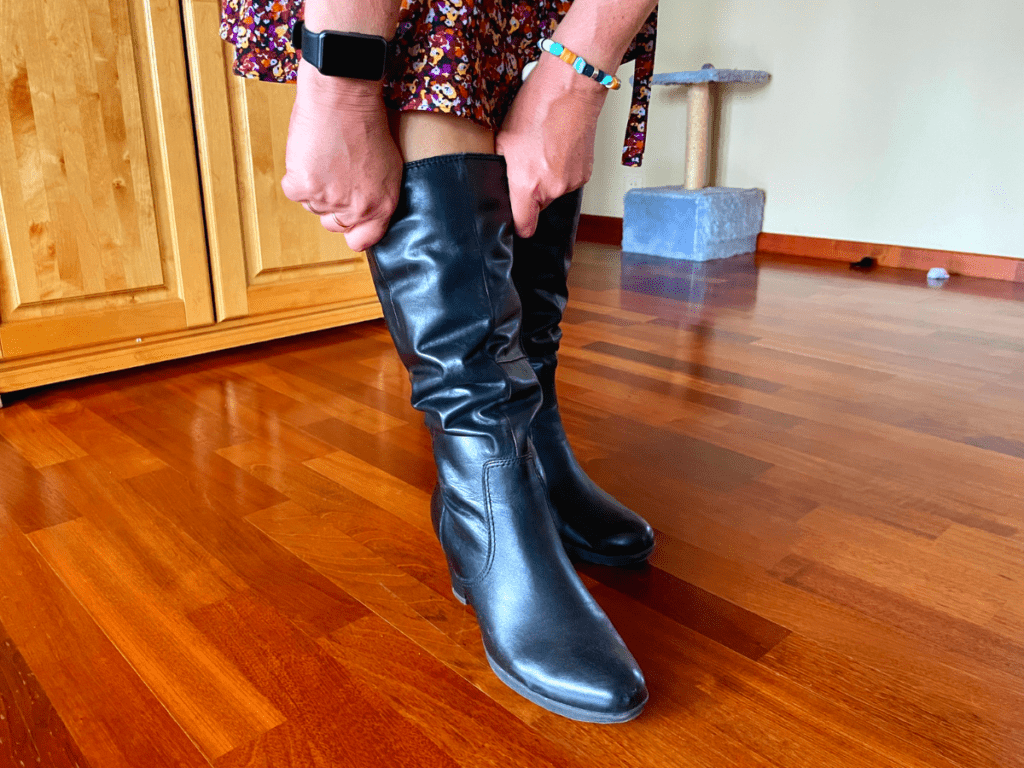
How to Stop Boots from Falling Down
For all their elegance, boots don’t stay on your legs all the time. Whether you’re walking briskly, or simply sitting down, sooner or later, the chic boots give up and start to slouch.
Before you know it, they’re piled around your ankles looking anything but pretty. You pull up at them but they will invariably fall down again. So how to stop boots from falling down once and for all.
Fashion Tape


When your boots have a mind of their own and just won’t stay wrapped snuggly around your knees, the go-to solution is fashion tape (Amazon paid link). It is a durable solution that can be reused indefinitely.
The double-sided tape allows you to fasten the inside of the top of the boots to your leg without worrying about having to readjust them or pulling them up every now and then.
Although some fashion tapes are marketed as safe to use on the skin, you should never glue the boots directly to your skin. Instead, place the tape on socks or tights and press the boots firmly to make them stick. That way when you remove the boots, the fashion tape will not hurt your skin.
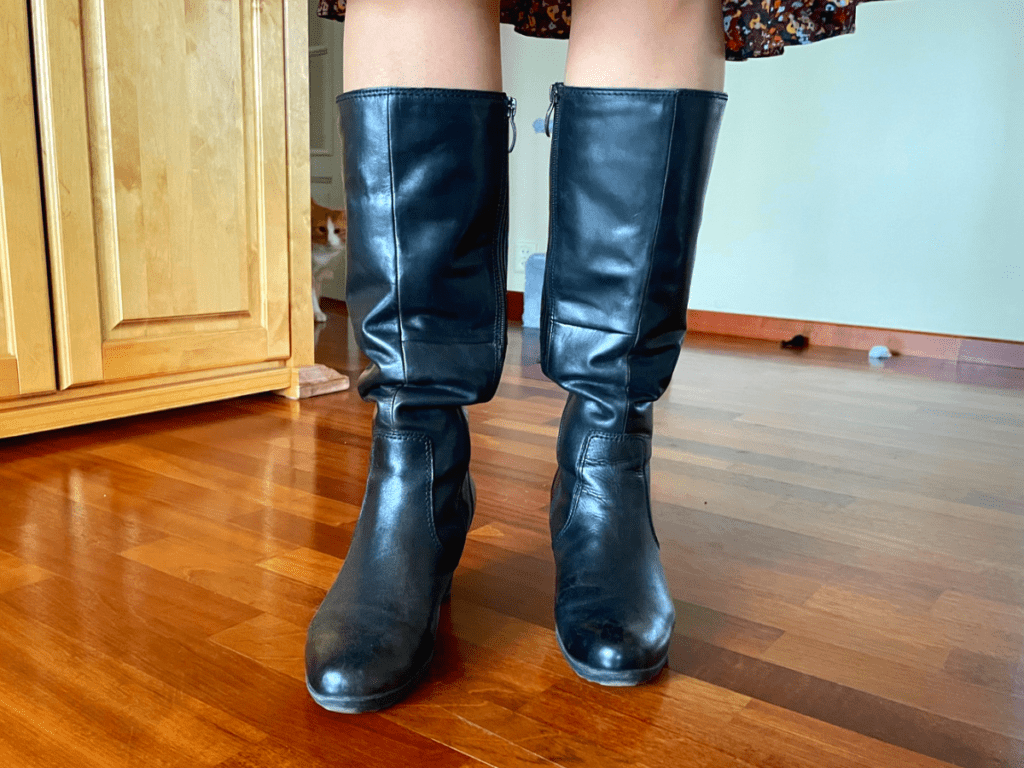
Fold Upper Part
Some boots are made of soft materials making them easy to fold. Unfortunately, that also means that the boots will slouch at the nearest opportunity. If you don’t like to use fashion tape, you can fold the upper part to cushion the boots and keep them securely up at all times.
However, for that to work as expected, you’ll need to have high boots that go above your knees. Hold the top of the boots around your thighs and fold them in against your knee. Squeeze the folded edges around your knees to tighten the boots and keep them in place.
Thick Socks
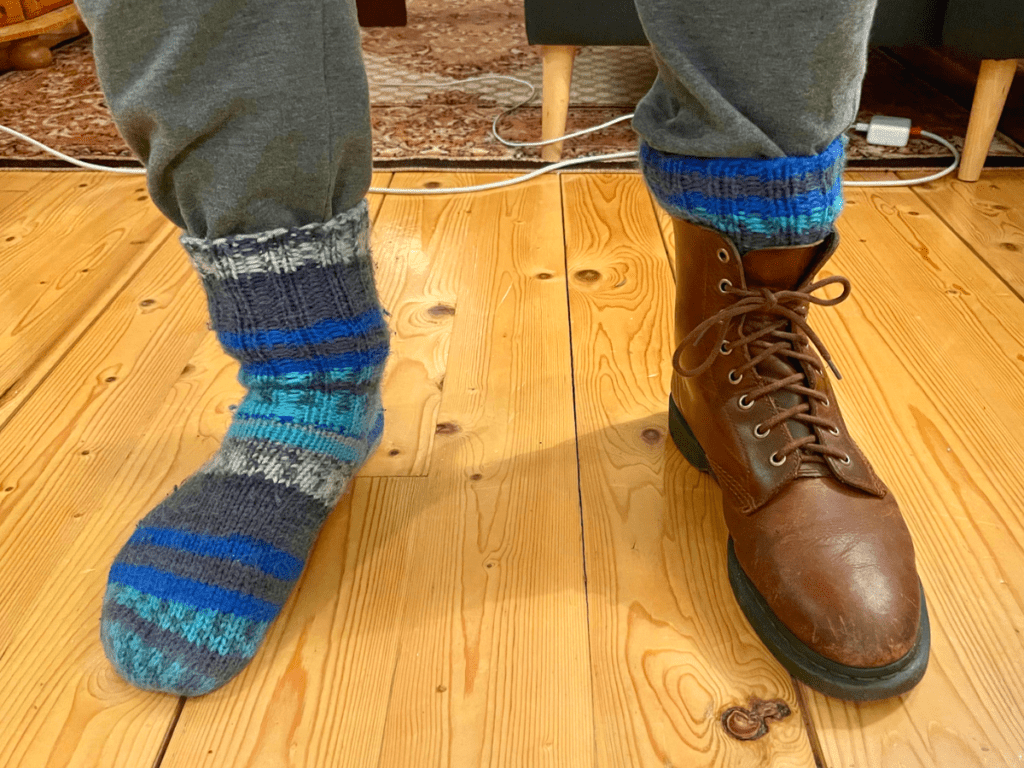
The main reason your boots slide down past your knees and slouch around your ankles is that there’s plenty of space between the boots and your thighs. If you fill up that space with, say, thick socks, you’ll be able to keep the boots firmly and securely up without the need for any other accessories or tools.
If the thick socks are not enough to create the necessary friction to keep the boots from falling, try laying them. Double or even triple socks will work just fine and keep your legs warm in the cold weather as well.
Boot Straps

Boot straps are different from shoelaces. These homemade straps will help you prevent boots from sliding and falling.
To make it at home, you’ll need two elastics, Velcro, and glue (Amazon paid link). Then follow these easy steps.
- Hold the two elastic ends together and apply glue to create a loop. Hold them tight until the glue sets.
- Try the loop around your thigh and make sure it’s not too tight or bites into the skin.
- Attach one side of the Velcro to the outside of the loop and the other side inside the boot.
- Do the same steps with the second boot.
- Now try on the boots. First, align the two sides of the Velcro then press them together. Now your boots will always stay up.
Fashion Glue


Fashion glue is a popular accessory used in fashion shows to keep clothes, shoes, and other accessories on as long as you need them. Fashion glue is safe to use on the skin and it works well to glue the boots to your legs. (Amazon paid link)
Simply spread a thick layer of glue over your thighs and let them sit for 10 seconds. Then put on the boots and pull them all the way up to your thighs.
Now press the boots against your legs where you have applied the glue. It usually takes the glue a few minutes to stick to the boots.
Best Ways to Keep Your Knee-High Boots Up All the Time
A slouching pair of knee-high boots is not anyone’s idea of elegance. While the above solutions can keep your boots up, they’re not suitable for all situations and boots.
Wearing layered thick socks doesn’t work when the weather is warm. They can also look sluggish and make you feel uncomfortable. Here are some innovative ways to keep your knee-high boots from falling.
Denim to the Rescue
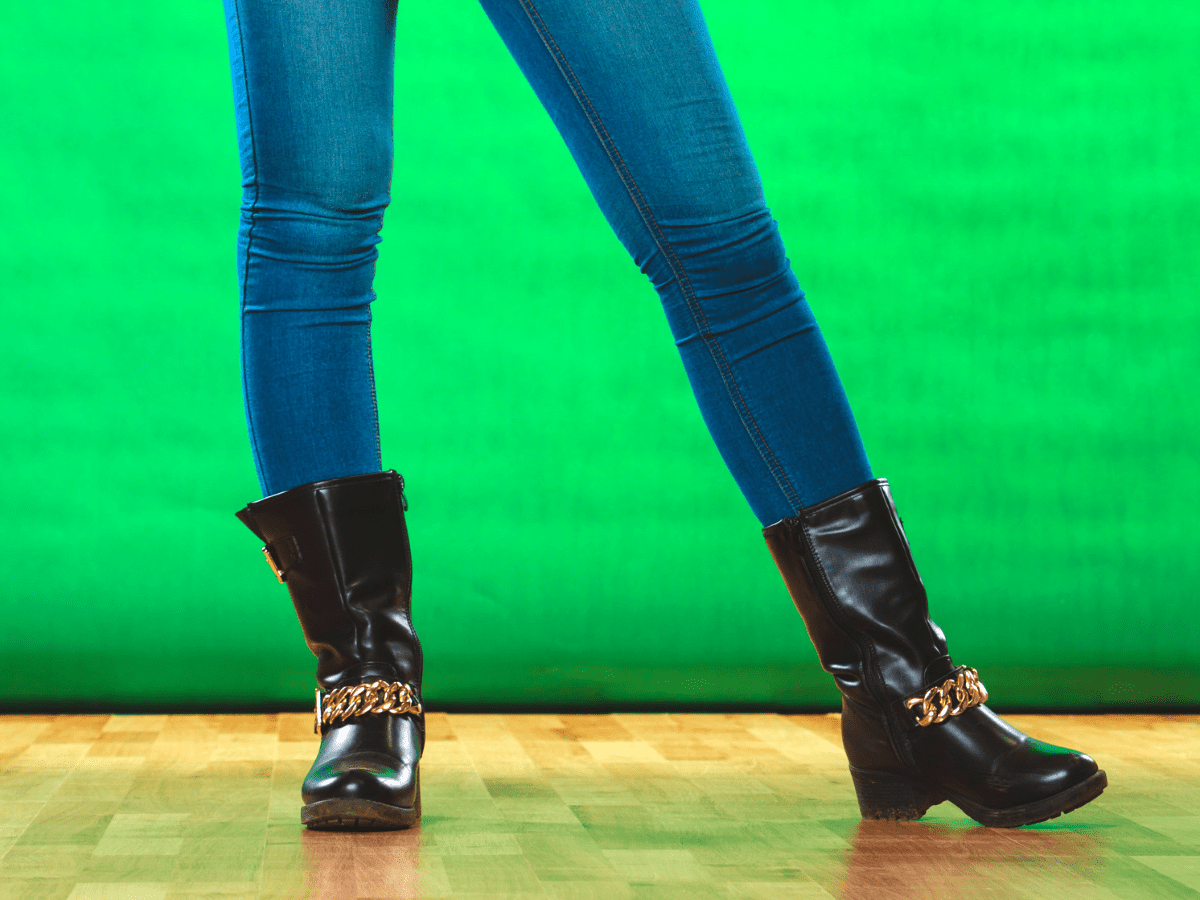
If you like to wear denim pants with your boots, you can put your jeans to good use to keep your boots in place. This works best when you choose a pair of skinny jeans to go with the boots.
The skinny jeans will not only stick to your legs like glue, but they’ll also hold up the jeans and prevent them from slouching or falling down. Not to mention that the jeans and boots are the perfect match.
Texture Tights
We all know that knee-high boots tend to become a little loose after you’ve been wearing them for a while. It happens to all types of shoes but knee-high boots show the signs of age quite more conspicuously.
To make up for the increased space between the boots and your legs, try wearing leggings or jeggings. You can also wear texture tights to make your legs fuller. (Amazon paid links)
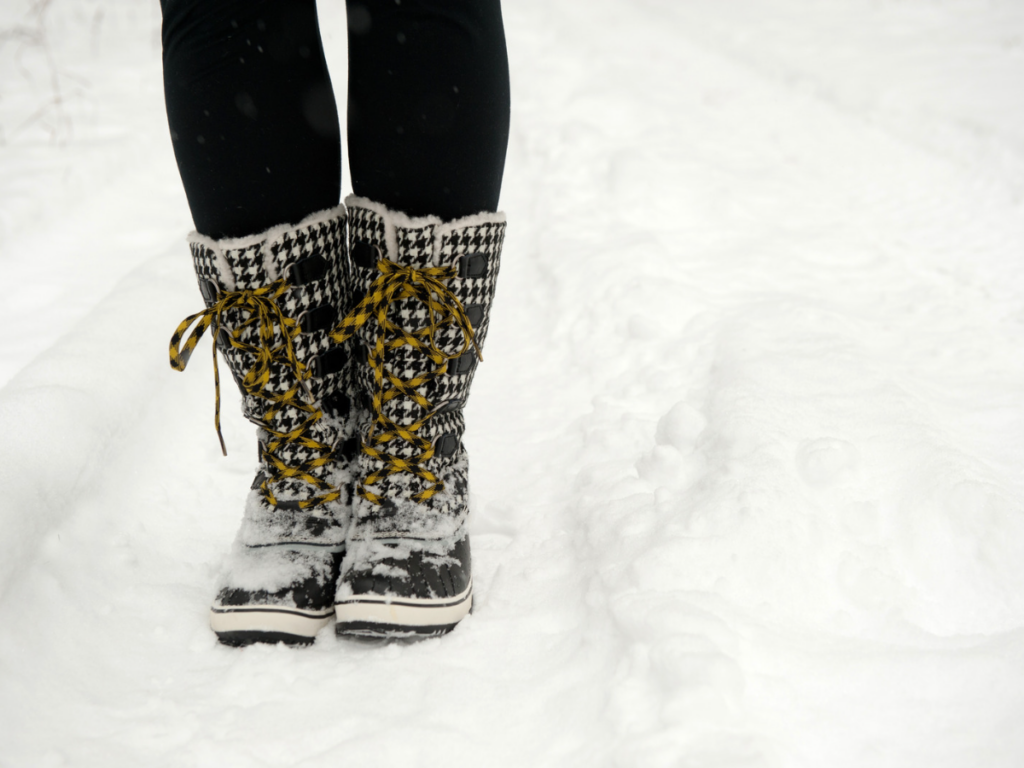
Ideally, you’d wear the tights, leggings, or jeggings under a skirt of just about any material. Just make sure that colors match or complement each other.
For printed tights or leggings, go with plain skirts and vice versa. They’ll keep your knee-high boots up and firm throughout the day.
Sock Bands
A sock band is the summer version of thick socks. If you don’t like to wear layered socks either because of the weather conditions or simply because you don’t like the frumpy look of layered socks, then sock bands are the right solution.
All you need is a pair of old socks that you don’t need anymore but still have firm elastic bands.
Cut off the bands at the top and wear them around your thigh under the boots. The sock bands will give the boots more staying power and save you the trouble of pulling up the slouching boots every so often.
Mini Hook
If you want to get a little too creative with keeping your knee-high boots in place, you can try attaching a mini hook to the boots and use a rubber band to keep them propped up.
Stick a mini hook with a built-in adhesive to the back of the boot and repeat with the other boot. Now stitch the rubber band into the socks or tights you wear with the boots.
When you put the boots on, wrap the rubber band around the hook to keep the boots up.
How To Make Boots Tighter

I already mentioned that boots tend to loosen up with overuse and lose their stylish lines the more you wear them.
Luckily, you can reset your boots back to factory settings and make them fit tighter and look firmer with a simple hack. Here’s what you need to do to make your boots tighter.
- Fill the sink or a large container with lukewarm water.
- Place the boots in the water so that they’re totally submerged.
- Leave the boots in the water for an hour then take them out.
- Drop two thick socks in the water to get them thoroughly wet.
- Put the wet socks on then wear the wet boots over them. The wet socks will help the boots get wet from the inside and shrink faster.
- Keep wearing the boots until the socks dry out on you. By then the boots will fit you more snugly.
- Apply a leather conditioner to protect the boots against cracks.
Easy Steps to Prevent Boots from Sliding or Slouching
I also have a guide on how to keep your pants from falling down that may interest you.
How to Make a Boot Bra?
Unless you take the loose boots to a cobbler to get them fixed and tightened up, most of the other solutions and hacks I detailed above are not permanent ones.
However, one hack stands out as a permanent solution to your slouching boots problem. This hack is the boot bra. It’s similar in some ways to the boot strap I detailed above, but the boot bra is a sturdier version of the boot strap.
The boot bra replaces the glue with sewing. You can use any industrial-strength touch fastener strips. And instead of the elastic bands, you’ll use knit bands. Here’s how to go about making a boot bra in simple steps.
- Put your boots on and mark the top edge of the boots on your thigh.
- Use a tape to get the measurement of your thigh about one inch from the mark you made.
- Cut the same length of the knit elastic and add a couple of inches.
- Fold the knit plastic in half and sew over the extra inch on both ends. Now you have a functional band.
- Attach one of the touch fastener strips to the outer side of the elastic loop.
- Attach the other one to the inside of the boots exactly one inch from the top edge. Sew the strip to keep it in place permanently.
- Now your boot bra is ready. When you put on the boots, align the touch fasten strips together and press to secure the boots to your thigh.
FAQs
How to Keep my Boots from Slouching in the Closet?
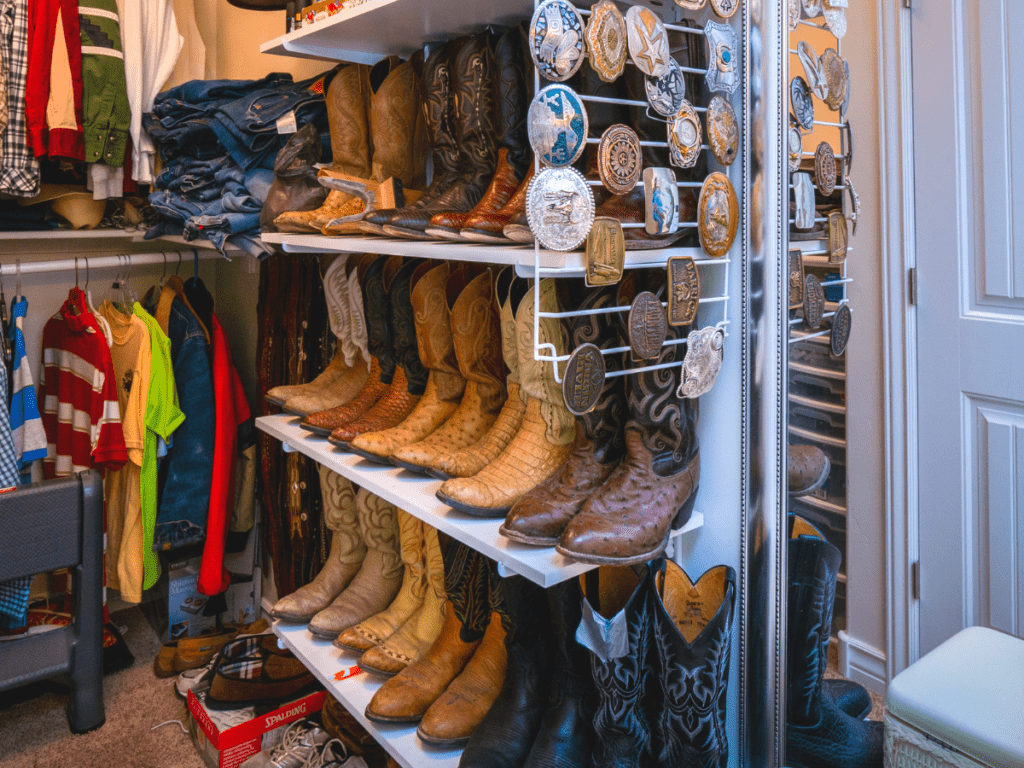
As soon as you take off your boots, they fold over themselves. This can cause wrinkles and leave marks on the boots.
To prevent that and keep the boots in good shape, you can stuff them with a rolled magazine. Keep the boots upright and squeeze the magazine in.
You can also use an empty water bottle to have the same effect. Make sure the water bottle isn’t so thick that it would stretch out the boots.
My Boots are too Big, What can I do?
If the boots are one size bigger or more, it’s not recommended to wear them for long hours. This can cause blisters on your feet.
You should try to refit the boots or get them shrunk first. If taking them to a cobbler is not an option, then you can try to shrink the boots as I detailed above. Keep them submerged in water for an hour then wear them over wet socks to make them fit.
Another option is to wear more than one thick sock to fill up the extra space inside of the boots and prevent your feet from sliding and causing friction.
What is a Boot Gusset?
A boot gusset is similar to the boot tongue but instead of just being attached to the bottom of the lace, the gusset is attached along the sides as well all the way to the top of the boots.
Conclusion
When your boots start slouching and falling down, you can keep them propped up around your legs using fashion tape, boot bra, or fashion glue. You can also wear layered socks to make them fit better or fold the top of the boots in. If all else fails, take the boots to the cobbler to get them amended.
I also have a comprehensive guide on stopping all your clothes from falling down that may interest you to read next.

I’m an expert wardrobe organizer and a bit of a clean freak. I created this website and its YouTube channel to share practical guides about laundry and organizing. My teachings have been featured in multiple large news publications, and I’ve self-published two wardrobe organizing books and an entire course on the subject.