
Comfort before style? When it comes to pants you can have both. Regardless of gender, age, or body shape, pants are the go-to getup for just about any occasion.
Whether you’re going to a wedding, a business meeting, a brunch with friends, or a family reunion, pants are the ideal way to put a pep in your step and reveal your graceful gait and sleek silhouette.
Unless they keep falling down.
To stop your pants from falling down you can always wear belts, buy pants with elastic waistbands, or you can wear multiple layers under your pants. A more permanent solution is to wear suspenders or try pants one size smaller. Some people prefer makeshift belts which are more comfortable than real belts. Others use clips on their pants to keep them in place.
The problem with pants is that they don’t always stay in place. It could be the shape of your body or the pants themselves.
There’s more to the pants than the height of the waist and the right size. Read more to find out why pants keep sliding down and how to stop them.
Why do Pants Keep Sliding Down?
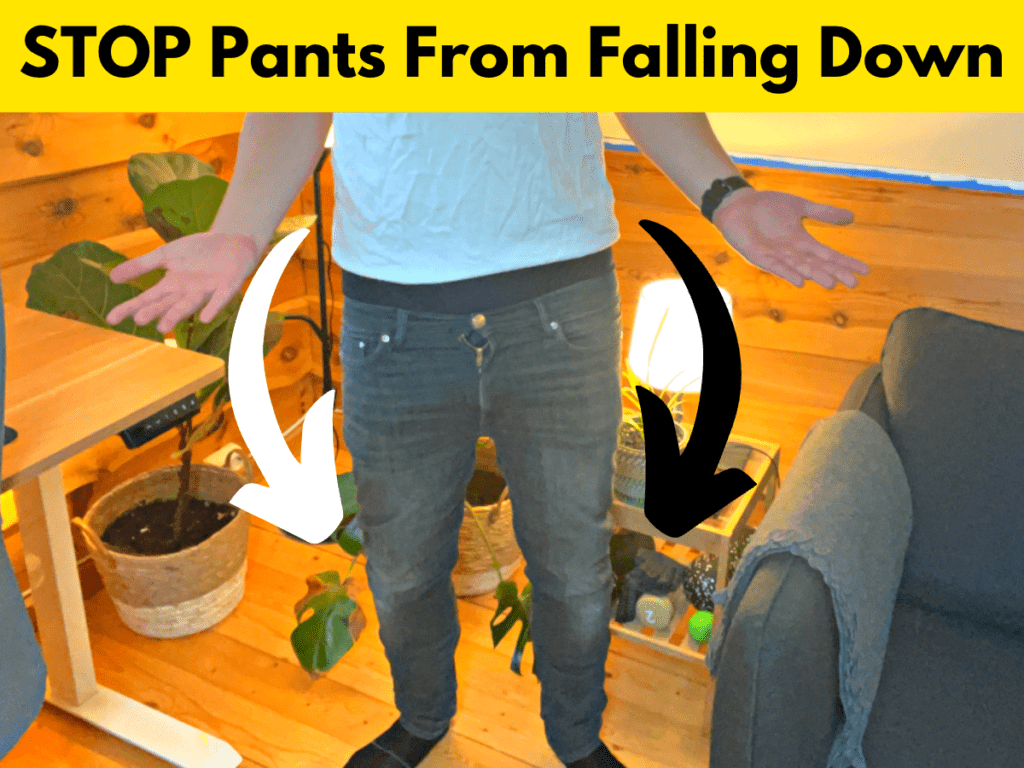
Before you start blaming yourself or thinking that the change in your body weight is causing the pants to slide down all the time, you need to check the pants themselves.
More often than not, the reason your pants won’t stay around your waist, as they’re supposed to, is because they’re just too big or too small for you.
Here are the common reasons for the pants falling down.
- The Cut: The cut of the pants plays a big role in how long they’ll stay around your waist and hug your hips without sliding down constantly. This applies as much to jeans as to slacks, sweatpants, and joggers to name but a few. If the pants tend to rest just below your waist as is the case with low-rise jeans, they’re more prone to falling down more often.
- Your Body Shape: Try as they might, clothes manufacturers can’t make pants that fit just about any body shape. Unlike tailored pants that hug your body snugly, ready-made pants fit general groups of body sizes.
So if you have more weight around your hips, that weight will keep pushing the pants down especially when you move around or try to sit down. - Too Small: Pants that are one or two sizes too small won’t sit permanently on your hips because they can’t even get there. This is why skinny jeans keep falling down and when you sit down, they’ll slide down and require you to tug at them more frequently.
- Too Loose: When your pants have a waist larger than your own, they won’t have anything to hang on to. Pants need hips and buttocks to keep them firmly around your waist. Loose pants worn under a large belly would always slide down as your belly keeps pushing them down.
Why Belts Don’t Always Work
When your pants won’t just stay around your hips where they’re supposed to be and require constant tugging and pulling up, your first instinctive reaction is to wear a belt.
Belts are a nice solution to the problem of sliding pants. Until they’re not. Unfortunately, belts don’t always work and they’re far from being the ideal solution you think they are. Here’s why.
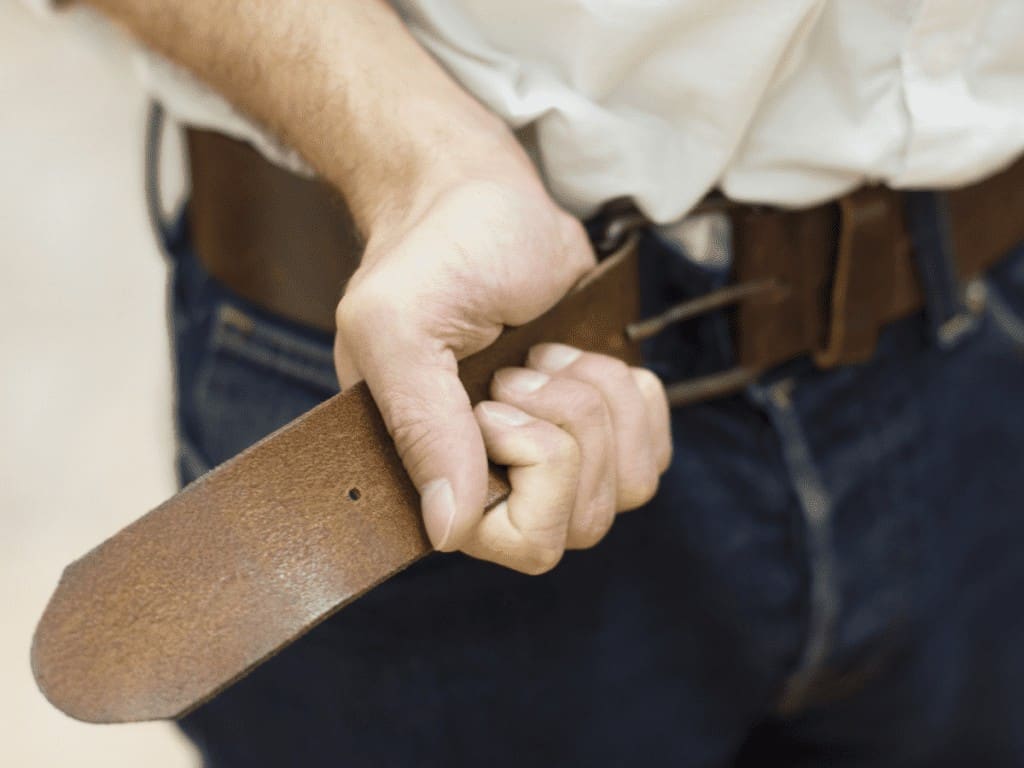
- No Hips, No Belts: Much like the pants themselves, belts need hips and a butt to do the one job they have: keep the pants up. If you don’t have hips or a butt, the belt will have little to hang on to and will pull the pants down with it.
- Weight: Some belts are heavy due to the material they’re made of or the accessories that come with them. If the buckle is an ornamental one, that will add to the weight of the belt which defeats the purpose of the belt. That extra weight only pushes the pants down.
- Not Comfortable: Let’s face it, belts need to be cinched too tight in order for them to keep the pants from sliding down. That can be quite uncomfortable not to mention that it will squeeze your belly up and make it look bigger than it really is.
- Need to Rebuckle: Sit down to have lunch and your belly will expand by the end of the meal. That requires re-buckling the belt to ease the pressure on your stomach.
If you’re sitting in a public place, that can be quite awkward to do in front of other people. - Not for All Pants: Not all pants are designed to work well with belts.
Some pants are meant to be worn high while others are designed to hang below the hips.
Meanwhile, the belt has only one place around your waist.
I also have a guide on what to do if your belt keeps riding up that may interest you.
How to Stop Pants From Falling Down
Even when belts work and actually keep the pants firmly around your waist, they need readjusting several times a day.
And when they work on a certain pair of pants, they won’t do the same job with a different pair.
In other words, they’re far from being a permanent solution. What you need is something that stops the pants from sliding down and works every time you wear the pants.
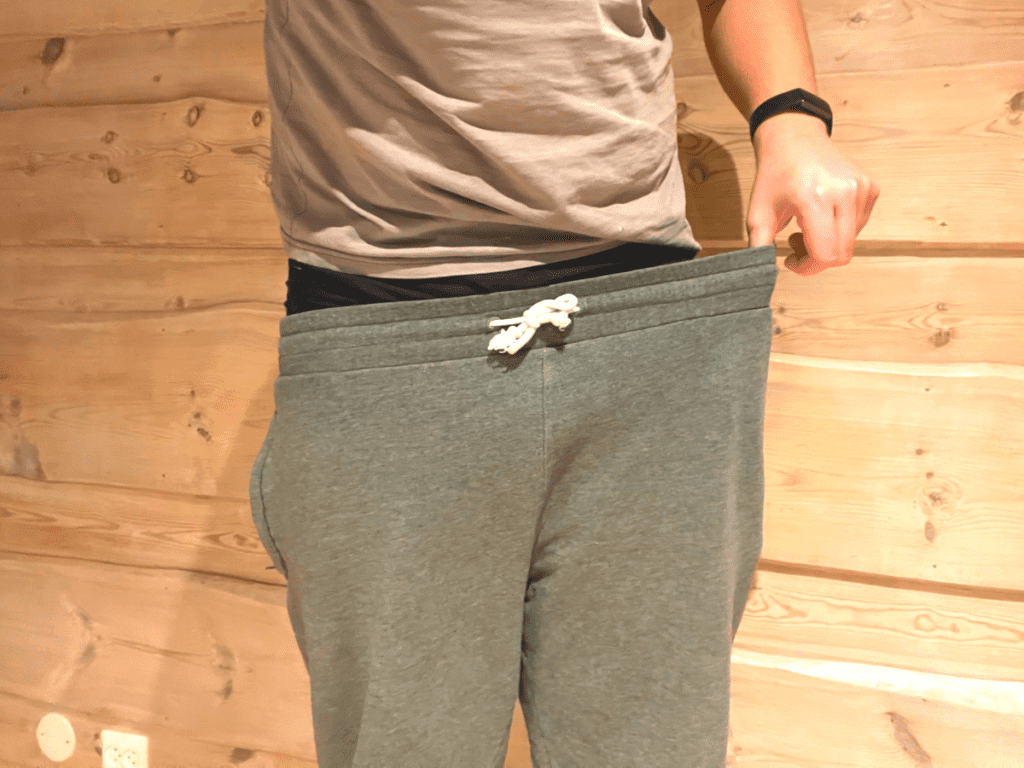
Suspenders
Suspenders have got it all. They are permanent, elegant, and do a good job holding the pants up without putting pressure on your stomach.
Moreover, they work with just about any pants you have. Even jeans look smart when you attach suspenders to them.
You won’t have to worry if the pants fit or not, whether you have hips or not, and whether your belly pushes the pants down or not.
Suspenders work in all seasons, occasions, and settings. And best of all, they’re quite portable. Just detach from one pair of pants and attach them to the waist of another and you’re ready to go.
Elastic Waistbands
Elastic waistbands are the kind of permanent solution you need to prevent pants from sliding down and needing to be pulled up every few minutes.
They are built into the pants so they don’t need to be readjusted all the time.
Elastic waistbands eliminate the need to buckle and rebuckle the belt and they won’t pinch into your stomach the way a tight belt does.
The only caveat to elastic waistbands is that not all pants styles have them. So if your favorite pants brand or style doesn’t support them, try another solution below.
More Layers
To narrow the gap between your waistline and the waist of the pants, you can wear more layers of clothing under the pants.
Padded underwear is a good option. This will amplify your waist and make your hips pronounced enough to hold the pants in place without the need for a belt.
The only problem is that this solution might work in the cold winter months, but it’s not ideal for summertime.
Clips
Clipping clothes to make them fit is a more common practice than you might think. It’s a convenient way to make your pants fit without having to alter them.
The idea is to use a few clips to cinch the waist of the pants to make them a little tighter.
If you need to loosen the pants a little after a heavy meal, it’s easy to readjust the clips without making a big scene in public.
Makeshift Belts
If you don’t like the hefty weight or price of the belts you buy at the store, you can simply make your own belts.
You can choose any comfortable material, cut it into a long strip and tie it around your waist to keep the pants up. It may not look good wearing a long shirt will hide it from prying eyes.
Tailored Pants
If you want to wear comfortable pants that stay in place without the need for belts or other accessories, then look into getting your pants custom-made.
Bespoke pants are tailored just for you and are guaranteed to fit your bottom half like a glove. The downside to that is the high cost.
Check out my article on the difference between a tapered fit and a slim fit for info on what pants you should choose.
How to Keep Your Pants Up with a Big Belly
Call them love handles, tummy tires, muffins, or waffles, a big belly can be a challenge to your wardrobe.
And when it comes to pants, your muffin will do all it can to dislodge the pants and push them down to your knees. So how can you reconcile the two enemies and end that feud?
- NoSaggs Hidden Belt Pant Suspender: This hidden belt suspender works with just about any belt and is comfortable around your stomach area. It’s hidden, so you can still look stylish while keeping your pants securely around your waist. You can also wear it either above or under the shirt without the need to make constant adjustments to the belt.
- Invisible Belt Suspender: If you like suspenders but don’t want to use them for some reason, this nifty accessory turns your undershirt into suspenders. Attach it to the undershirt then hook it to your belt to keep the pants from sliding down. You won’t need the belt buckle anymore.
- Leo Men’s Rear Enhancing Removable Butt Pads: For people with slim backsides that don’t do much to keep the pants in place, these removable butt pads can be squeezed into the boxers to give the pants waist something to hold on to.
Ways to Prevent Jeans from Sliding Down All the Time
Although formally classified as pants, jeans are quite different from slacks in many ways.
And those differences can be a blessing or a curse as far as keeping them from sliding down when you walk or sit.
So how would you choose the right pair of jeans that won’t require constant tugging?
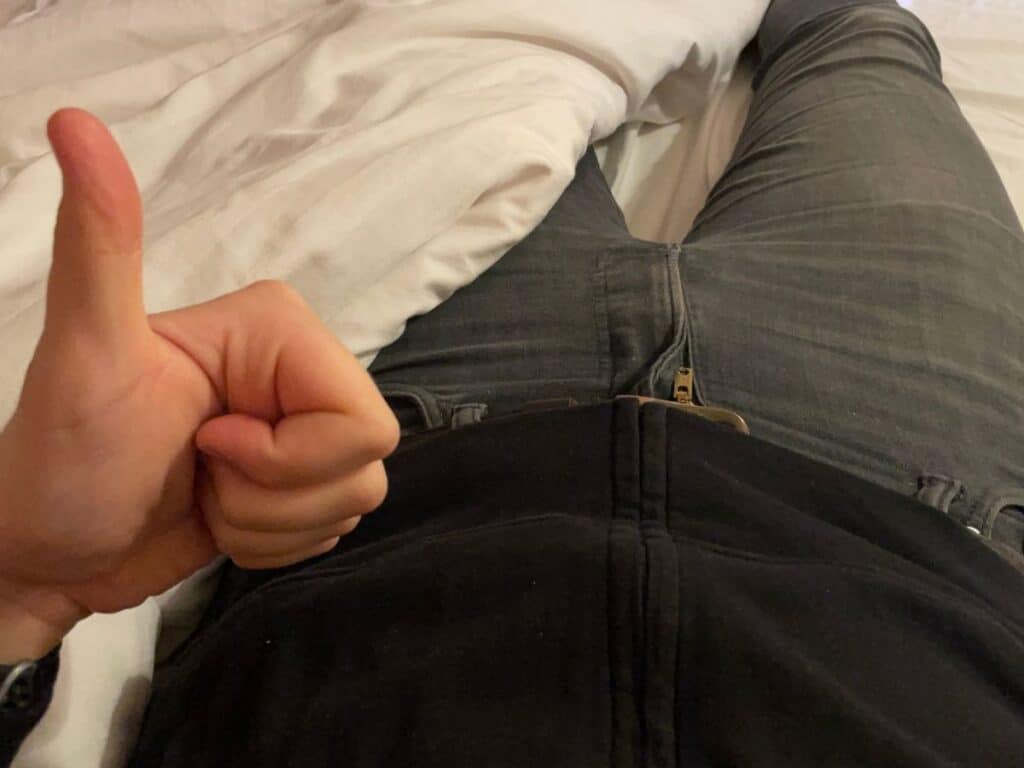
- Choose denim that has less spandex in it. Spandex gives the jeans more stretch and helps them conform to your body. But with overuse, the jeans themselves become loose and they’ll start to fall below the waist.
- Buy high-rise jeans. High-rise jeans show how graceful your legs are and are quite flattering to your shape. They also cover more real estate area around your waist and hips which keeps the jeans from sliding down.
- Tuck your top in under the jeans. This is similar to wearing multiple layers of clothes to beef up the area under the waist and give the jeans more traction.
- Visit a tailor. A tailor will alter the waistband of the jeans and make them fit more snugly around your belly.
Why do my Athletic Pants Roll Down?
Athletic pants along with sweatpants are supposed to be more comfortable in general than, say, skinny jeans.
This gives you more leeway when choosing the size and style of the athletic pants that reflect your personality.
But if they start to roll down after you wear them for a couple of hours, then chances are you bought one or two sizes too big for you.
Simply pull the waistband of the pants and let it snap against your body. If the snap isn’t loud and you don’t feel it against your skin, those pants are too big.
But you should also check that the elastic waistband isn’t damaged.
Another reason might be the pants are not riding high enough on your stomach to stay in place.
Conclusion
Your pants can fall down and need to be tugged at for many reasons.
It could be the size of the pants being too small or too large, a big belly pushing them down, or it might be slim hips giving the pants little to hold on to.
In any case, you need to get creative to keep your pants in place.
Suspenders are by far the best permanent solution that keeps pants of all sizes and materials in place without cramping your style or coming in the way.
You could also buy pants with elastic waistbands that eliminate the need for belts. If all else fails, take the pants to a tailor to have them altered.
I have a comprehensive guide on stopping all your clothes from falling down that may interest you to read next.

I’m an expert wardrobe organizer and a bit of a clean freak. I created this website and its YouTube channel to share practical guides about laundry and organizing. My teachings have been featured in multiple large news publications, and I’ve self-published two wardrobe organizing books and an entire course on the subject.
Coolguy
Thursday 6th of April 2023
Suspenders are the best solution, and I don't understand why more guys don't wear them. I forget I have mine on, and the ladies love them!
Erik S.
Monday 24th of October 2022
Thanks for the article. You nailed it when you said that suspenders are superior. I occasionally started wearing them in high school, and now that I'm in my late 20's, I wear them with about everything, hidden or exposed.
JG
Tuesday 6th of September 2022
Amazingly informative article, who would think there were so many solutions to a simple, yet annoying problem. Thanks for putting it all together.
Tor Rydder
Tuesday 6th of September 2022
I'm really glad to hear that it was helpful! :)