Imagine you’re walking on the street in your new cute floaty dress feeling super confident. Then the unthinkable happens. An unexpected gust of wind blows, and your cute dress flies up exposing your modesty.
This embarrassingly happens more often than you might think. But it is avoidable, if you follow the following hacks we will share below.
The smartest way to avoid dresses from being blown up by the wind is to use weights at the hems. The hack involves sewing in pieces of weights, usually lead at the lower dress seam. As a result, the dress becomes heavier at the hem and can withstand strong gusts of wind.
More Tips to Stop Your Skirts From Blowing Up
The above is a time-tested method to tame the embarrassing gusts of wind. But there are other equally valuable tips to help stave off this problem.
Here are a few of them.
Wearing Safety Shorts

- Secure triple layer & cross design: LouKeith tennis skirts has lightweight, stretchy double outer skirt layer and softy breathable shorts inner let you enjoy the sports without worries. Shorts with skirt overlay cross design make you looks fashion and chic.
- Professional material: Womens athletic skorts is made by professional sport fabric which is not easily split up. And the stretchable fabric will provide you with rinkle resistant, moisture wicking, quick drying to keep you cool and safe.
- High rise & wide Waistband: The golf skirts has high waistband offer you tummy support and provide a full coverage. The flat elastic waistband for a flexible fit, comfortable to wear, not roll down when you play tennis or golf.
Wearing short skirts beneath your skirt is one of the safest ways to keep your skirt in place in the face of a heavy gust of wind. Stretchy jersey materials are especially effective in this method.
This is how it works: the short creates friction as you walk long, producing static. Once that happens, your skirt will be pulled by the static and cling to your body, effectively resisting gusts of wind.
The only downside with this is you may feel overdressed and stuffy.
Wear Wrap Skirts

One great thing with wrappers is they firmly hold around your hips and have more than one layer around the waist. That alone makes it difficult for the wind to lift the skirt. But even if the skirt is lifted by the wind, you’re still protected by the other layer of fabric.
In addition, the wrap skirts come in different designs so you’re spoilt for choice.
Shapewear
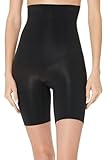
- Shaping zones target the stomach and provide all-over support with gradual release for comfort and movement
- High-waist design = no muffin top
- Stay-put waistband with no-slip strip

Shapes wear is fantastic not only for accentuating your body shape but also for covering your vitals against the unpredictable wind, as well. Most shapewear is made from spandex and nylon, which are excellent static-inducing fabrics.
Like in the case of the shorts above, the static makes the garment cling to your body which is great protection against wind features.
Plus, the two materials are excellent for the preservation of body heat, which is a bonus in cold, windy weather.
Make Use of the Over-Tuck
Over tuck is great when you’ve got an ill-fitting dress around your waist and hips. A skirt that is loose around the waist skirt is more likely to be blown up than a tighter-fitting one.
But even worse is the nagging rotation of the skirt around the waist. In the face of harsh blowing wind, this will become unbearable.
To pull an over-tuck, you need to have on a tight under your skirt.
Next, hold the waistbands of the two garments together and fold them outwardly along the seam.
Eventually, the tight waistband should lie over that of the dress. With this firm tuck, your skirt is reinforced by the tight-skirt seam.
Hair Spray
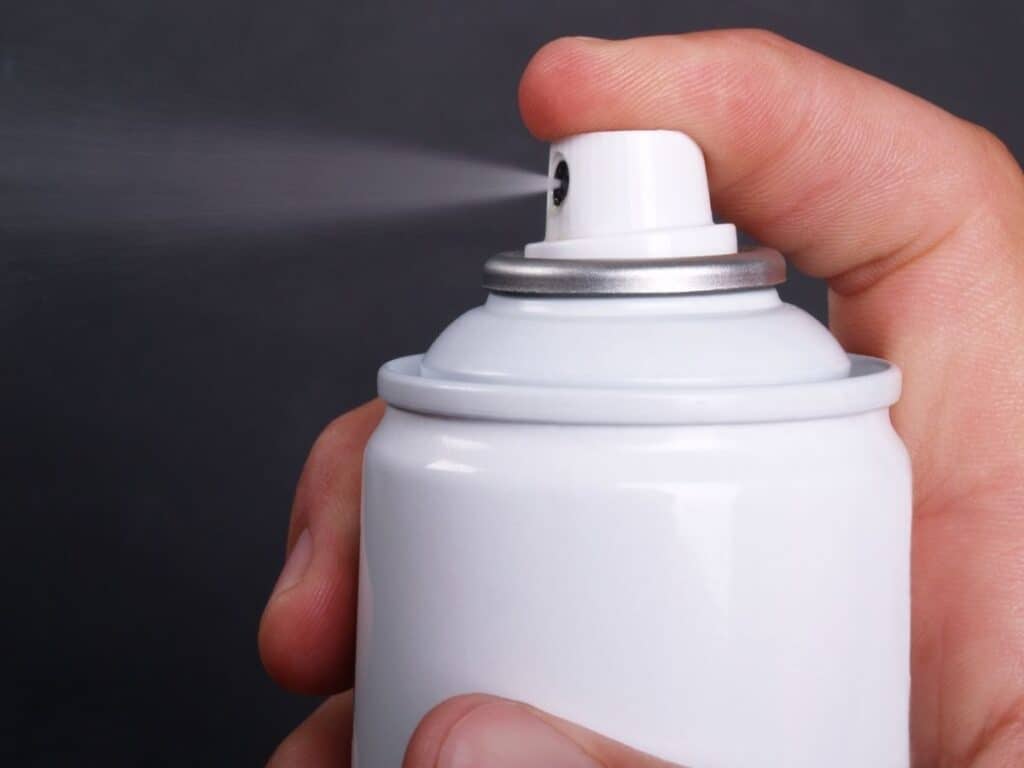
Hair sprays are an essential part of any woman’s cosmetics cabinet. But did you know hair spray has uses other than hair care?
Apparently, when it comes to pencil skirts, static isn’t valuable in stopping skirts from blowing up but aggravates the problem by clinging. The pencil skirt keeps shifting up, which can worsen in a blowing wind.
Here is how it’s done. First, you need to be sure your skin doesn’t react to hair spray. To test your tolerance, spray a small patch on the back of your hand and wait for approximately thirty minutes. If it’s all clear, moisturize to ready your skin for the next step.
Next, spray both legs around the area where your skirt lies on your skin. Once that is done, the pencil skirt stops shifting up.
Why Do Dresses Blow up in the Wind?
The reasons for dresses blowing up in the wind are varied. These can range from the dress design, the fabric, and the local weather patterns. Exploring these reasons can prevent this from happening.
The Dress Fabric
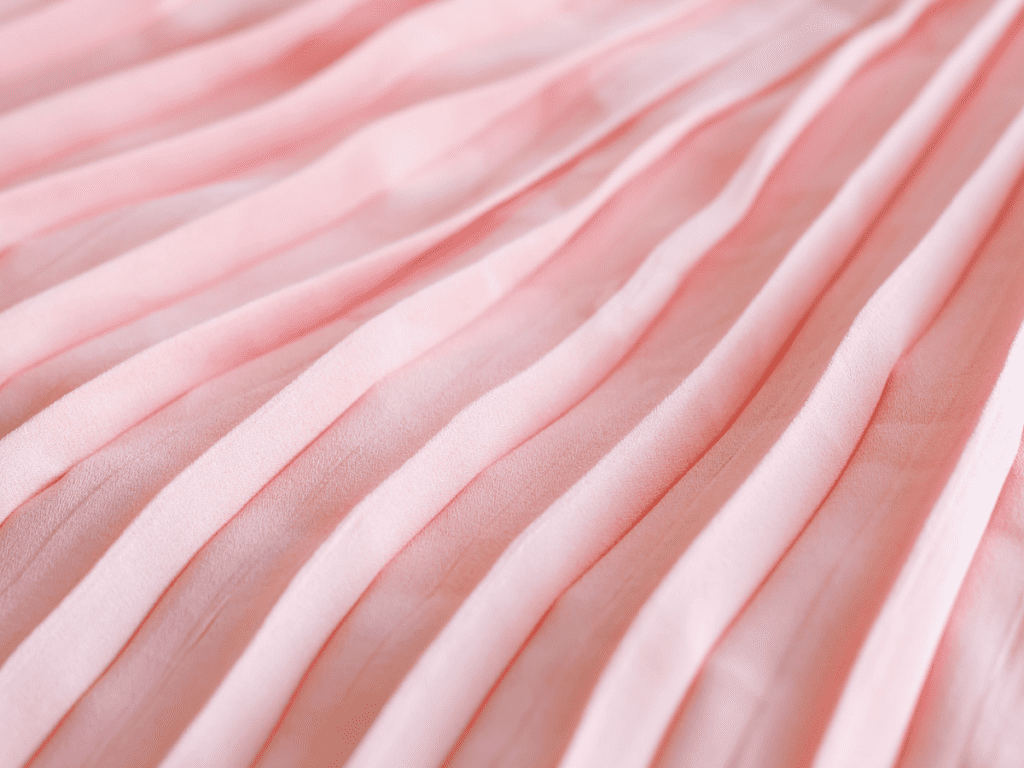
The features of the fabric are instrumental in determining how they react to the wind. As expected, lightweight fabrics are blown up faster than heavyweight ones. Examples of lightweight fabrics include chiffon, silk, and nylon, while the heavy-weight materials are denim, corduroy, and duck clothes.
Design of the Skirt
Skirts with looser bases are more likely to blow up in the wind. This is unlike the skin-hugging types like pencil skirts or wrap-around that are tighter fitting.
Type of Local Weather
Geographical regions have different climates which in turn dictate the local wind. Having a pulse on your local weather patterns and dressing accordingly is important. This is especially critical if you live in windy environments.
In the US, a few examples of windy states are Nebraska, Kansas, and South Dakota, while less windy ones are Florida and Mississippi.
I also have guides on how to keep skirts from riding up, and how to keep them from falling down that may interest you.
Frequently Asked Questions
Do Dress Weights Work?
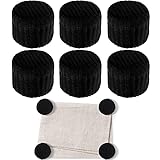
- Pattern weights set: you will get 6 pieces sewing weights, enjoy make clothing patterns with pattern cutting weights, easy to use and practical, weights can be placed directly on the pattern, and you are ready to make the cut
- Materials: pattern weights for cutting fabric are filled with iron block, nice pressing of clothing, and fabric to help weights don’ t slide
- Nice present: you can use these pattern cutting weights as presents for sewing-enthusiast in your life; This pattern sewing weight set is a lovely addition to tailor’s set
- Size: each pattern sewing weight is about 40 g, and the size is 1.2 x 1.2 inches, ideal for pattern cutting weights secure patterns to fabric without using pins
Dress weights are tremendous in stopping skirts from blowing up in the wind. Dress weights come in a minimum pack of four and can be bought online (Amazon paid link) or in your nearest fabric shop. Using them is easy, as all you have to do is peel the cover and attach them to the hem of your skirt.
Can I Make My Dress Weight at Home?
Making your dress weight at home is easy. All you need is weight and a sewing needle, and a string. A sewing machine is even better if you have one.
You can easily buy these items online or in an offline fabric store near you.
Next, using a sewing machine or a needle, sew in approximately four evenly spaced weights inside the hem of the dress, and that is it.
Can I Use Pennies to Make Weights?

Pennies and nickels are great for making weights as they are easily obtainable and easy to use. Their biggest downside is the corrosive effect on the dress, due to frequent exposure to detergents and water.
I have also created a comprehensive guide on stopping all your clothes from riding up that may interest you to read next.

I’m an expert wardrobe organizer and a bit of a clean freak. I created this website and its YouTube channel to share practical guides about laundry and organizing. My teachings have been featured in multiple large news publications, and I’ve self-published two wardrobe organizing books and an entire course on the subject.