Dryer balls may not be as popular as their counterparts; the dryer sheets, but they seem to be catching up fast. Dryer balls offer distinct advantages over other similar items, such as dry sheets.
For instance, they are cost-effective, chemical-free, and eco-friendly methods of drying clothes.
But how are dryer balls used? This, among others, is what we are discussing in this article.
Read on to learn what they are, how to use them, their benefits, and much, much more.
What Are Dryer Balls and How Do They Work?
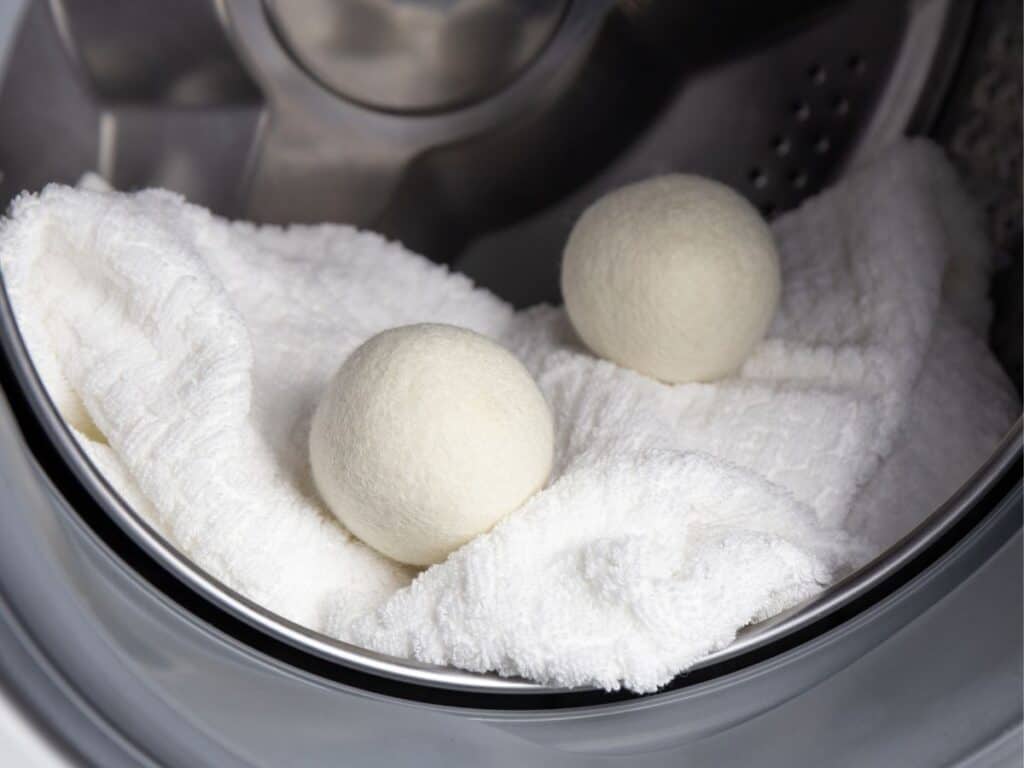
Dryer balls are spherical items used in laundry during drying. Once dropped in the dryer with the wet clothes, they are tossed around and get in between clothes parting clothes fabrics. That way, they help in absorbing water and create pathways for air to circulate within the dryer. This results in shorter drying times, clothes softening, and reduction of static.
Here are my favorite wool dryer balls:
Kind Laundry Wool Dryer Balls (Best price.)
You can also buy them on Amazon.
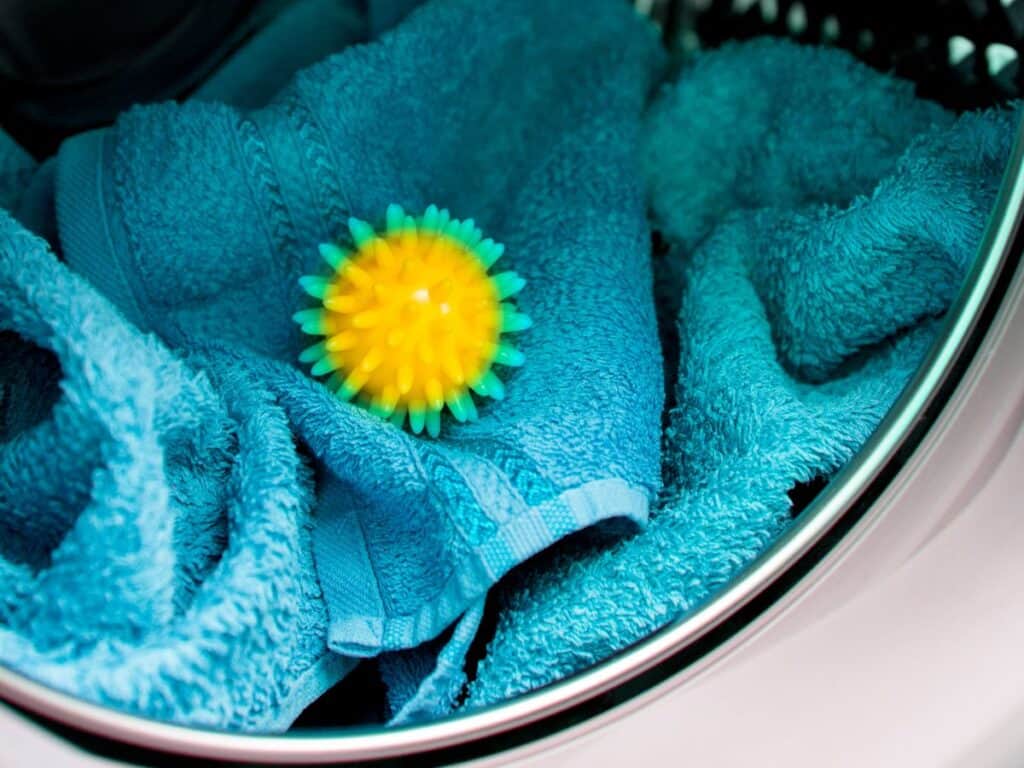
Dryer balls can be either made of plastic, rubber, or wool. For reasons we will find out later in this article, wool dryer balls are more popular and favorable for the drying of clothes. Wool dryer balls are slightly bigger than tennis balls.
They are made of 100% wool that has been compacted into round balls that cannot unravel, making them long-lasting. Buying a few balls can last you for ages before they may need replacement.
How to Use Dryer Balls
Before you start using dryer balls, keep in mind they work best if allowed sufficient “bouncing space.” For that reason, you want to avoid overloading the dryer when using them.
Overloading the dryer ends up restricting their free movement.
Allowing them space to move in between clothes is essential for their proper functioning. If you’ve one large laundry to dry, sorting it into smaller batches will free the required space.
Putting the balls to work is what we are doing next. Before we start, note that, unlike dryer sheets, dryer balls do not come scented.
So if you love fragrances in your clothes, you may apply some essential oils before the process.
Keep in mind, though, that using fragrances is only optional. It is not a requirement for the proper functioning of the dryer balls.
The number of balls required will depend on many factors, such as the drying power of the drying machine, fabric type, and the level of wetness, among others.
However, on average, you need only 3 to 4 balls for a medium-sized load or more, as we will find out later.
Before setting the balls rolling into the dryer, you need to make them wet. Using dryer balls makes clothes dry faster and get heated.
Therefore the purpose of wetting the dryer sheets is to moisten the clothes while the drying is going on.
Not only will this reduce static, but it also streamlines creases and softens the clothes. To moisten the balls, just dunk them into the water or spray with a hand pump.
Once they are wet, all you have to do is to put your wet clothes into the dryer and follow them with the dryer balls.
Alternatively, you can put the clothes in after you have put the balls into the dryer. The order is not important as once the dryer is started, the drying process will mix them up.
Next, start the dryer machine and wait for the balls to start working.
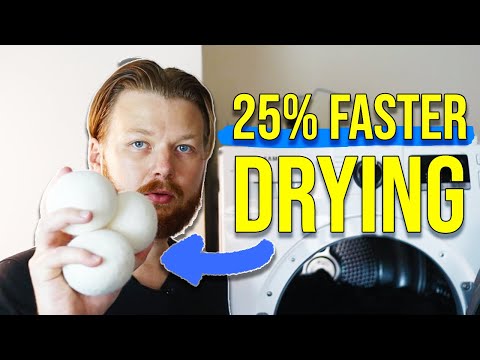
Remarkably, dryer balls cut drying time by as much as 25%. Therefore, proper timing is critical to avoid overdrying the clothes.
If you’ve got an auto-sensing dryer, your work becomes easier since its sensors will auto-stop it at the right dryness level.
Otherwise, keep on checking and restarting until you are satisfied with the results. Also, note that the drying time depends on the clothes fabric type, load size, and the specific capability.
A more practical method is to monitor drying time for specific load sizes when using the dryer balls and keep the record.
That way, you can then use these for approximating the subsequent drying time. Once done, you can remove the clothes and store them as usual.
Another thing, as you use the balls, you need to regularly inspect if they are getting worn out or not.
Through normal frictional effects processes, dryer balls wear out over time and therefore need replacement.
This may not be immediate, though. Dryer balls are long-lasting and can give you over 1000 wash loads or last for a period of four years.
The easiest way to know they need replacement is to check out their appearance. Worn-out dryer balls will be shapeless and start to shed wool on your laundry.
At this point, it is probably the right time to retire them.
Benefits of Dryer Balls
They Are Cost-Effective
The great thing with dryer balls is their reusability. In fact, as we found out above, they can last for years before you need new ones.
Compared to wool dryer balls, plastic or rubber dryer balls even last longer due to the nature of the materials, making them more durable.
However, wool dryer balls are the most recommended due to their eco-friendly nature.
For that reason alone, they beat the use-once dryer sheets hands down. But their greatest benefit is in their ability to cut down on the drying period by approximately 25%.
This is fantastic as it will not only reduce your energy consumption requirement but also save time for other chores.
They Are Eco Friendly
The increasing concern for environmental conservation has made the use of dryer balls even more popular. The mainly wool dryer balls last for ages before they need replacement.
In contrast, dryer sheets will need to be replaced more often, with the most needing replacement only after a single use.
In addition, they also reduce the use of fabric softeners. All this reduces their disposal to the environment reducing the landfill’s menace.
Furthermore, when you consider that all natural wool dryer balls are biodegradable, you can see why the emphasis is on the wool dryer balls.
Dryer Balls Are Chemical Free
The use of chemicals and fragrances in clothes softeners and dryer sheets are a huge problem. For example, it is not uncommon for some manufacturers to add chemicals such as Benzyl Acetate or chloroform.
Once these chemicals build up on the clothes fabric, they may trigger allergic reactions on the skin or in breathing. Among the probable consequences are diseases such as eczema and asthmatic attacks.
Furthermore, chemicals in clothes softeners reduce the absorbency of some clothes, such as microfibers, towels, and bathrobes.
Reduces Static Electricity Build-up
Overheating causes over-drying of clothes in the dryer. This, in turn, makes clothes develop static electricity.
Wet dryer balls stop this from happening by releasing moisture into the dryer drum regulating the dryness that causes static.
Additionally, for better results, you can do a few things to hasten the removal of static.
One of the ways is to separate synthetic clothes from the rest when using dryer balls since they are generally prone to static problems.
For synthetics such as nylon, rayon, and polyester, you can air dry them separately to avoid transferring the problem to other clothes.
Can Be Used to Infuse Fragrances
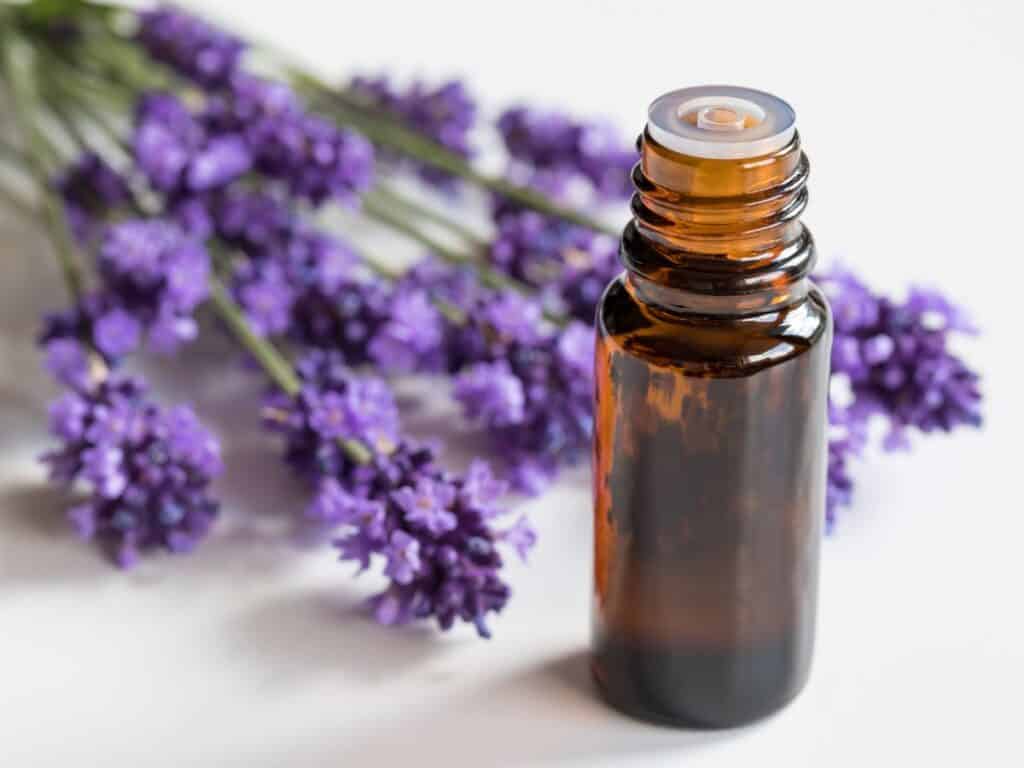
If you want a certain scent in your clothes, all you have to do is apply the balls with your favorite essential oil flavor before tossing the balls into the dryer.
This makes it easy to apply the fragrance as the balls roll around, distributing the fragrance around the clothes.
I wrote a comprehensive guide on adding scent and listed all the best scent options over here. Feel free to check it out for more details
They Remove Lint
Lint clings to clothes during washing making clothes look untidy. Using dryer balls can be a fantastic way of removing lint from clothes.
This happens therough static transfer, as the lint becomes charged and clings to the rolling dryer balls.
Check out my guide on removing lint from clothes without a roller here.
Remove Creases
As we found out above, dryer balls are a fantastic alternative to clothes softeners. Not only that, they help with unruffling clothes.
As the balls roll on the clothes, they press on the fabric, effectively smoothening and straightening creases.
They Are Silent
Dryer balls work without any vibration or agitation. You won’t even know they are in the dryer, making them the most comfortable and stress-free way of drying your clothes.
And if you want to muffle the sound further, you can place them in between the clothes instead of just tossing them into the dryer before or after the clothes.
Dryer Are Clothes Safe
Dryer balls are completely safe to use on the dryer.
They are soft and do not scratch either the clothes fabric or the dryer. In fact, they are more beneficial to the dryer as they collect the build-up debris from inside the dryer drum.
Do Dryer Balls Leave Lint on Clothes?
Dry balls may peel off the wool from their surface. However, this also depends on the quality of dryer wool balls. It is rare to have such problems with quality wool dryer balls.
And even when this happens, it is usually before the first or the second usage cycle.
To reduce the effect of lint, you can use dryer balls on bright clothes separately from colored ones. Also, be sure to check out the functional state of the wool dryer balls.
Worn-out dryer wool balls start to unravel, releasing lint to the rest of the clothes. The presence of this debris is an indication they are worn out and need replacement.
Refreshing Dryer Balls
When dryer balls lose their ability to work properly due to overuse, doing a few things can help to rejuvenate and improve their working condition. To do this, put them in a bag, for example, a pillow case, and run them through a low agitation hot water cycle.
You can then run them once through the dryer. Running them through this maintenance routine every once in six months ensures they remain in tip-top condition.
Buying Dryer Balls
Dryer balls are readily available if you know where to get them. The first port of call should be in the local convenience or any home improvement store.
Alternatively, you can try online marketplace places such as Amazon. Whichever is your shopping option, whether online or offline, you can use any of a number of brands of vending dryer balls.
However, you also need to be keen on quality to avoid buying low-quality ones that may peel off in your dryer. One of the quality long lasting examples is Kind Laundry Wool Dryer Balls.
The great thing with Woolzie is that it is 100% made of wool, meaning it is completely natural and not laden with chemical ingredients.
Plus, you can opt for different sizes, from large to extra large. One of the popular options is a 6-pack that can serve you for a long time before you need replacement.
Frequently Asked Questions
How Long Do Wool Dryer Balls Last?
Quality wool dryer balls can give over 1000 dry loads, which are approximately 2-3 years of wash time. However, this is just an approximation.
To know if the dryer balls need replacement, observe their surface and see if wool is scraping off its surface. If this is the case, it is time to look for new ones.
How Do Store Dryer Balls?
Properly storing dryer balls is essential for them to work properly. Failure to store them the right way can cause them to collect dust or develop mold, making them reduce their useful life.
Moreover, Dusty and moldy dryer balls will not only make your clothes untidy but smell musty too. For proper storage, keep them in a cool, dry place in a bag.
Before storing, ensure they are thoroughly dried to prevent the growth of mold.
How Many Dryer Balls Do I Need per Load?
This will depend on the load size and dryer efficiency. For medium load sizes, 3-4 dryer balls are enough, while for larger loads, you can put in 5-7 balls, and for extra large loads, you can throw in up to 12 balls.
Also, if your dryer is new and is at its functionality peak, you may need fewer balls. Although the more balls you put in, the shorter the drying duration, you should not overload your dryer with balls.
For the best results, knowing the right number of balls for the right load is critical.
I also made a list of all my favorite dryer balls to remove pet hair from clothes that may interest you to read next.

I’m an expert wardrobe organizer and a bit of a clean freak. I created this website and its YouTube channel to share practical guides about laundry and organizing. My teachings have been featured in multiple large news publications, and I’ve self-published two wardrobe organizing books and an entire course on the subject.