
Everyone loves dressing in stainless white clothes once in a while, which explains why many people are careful when doing laundry to separate whites and colors.
Unfortunately, regardless of your effort, you may realize that your stainless white clothes are turning blue. So, what is the reason for this frustration, and can you salvage your white clothes?
White clothes turn blue if the fabric softener compartment or the detergent compartment is overfilled. Moreover, faulty pipes carrying dirty water to the washing machine could cause stains. Always fill the detergent and fabric softener to the max level indicator to avoid this.
It is frustrating to find white-blue clothes, especially after your effort to ensure they remain white.
Therefore I’ll share a closer look at why your white clothes are turning blue and the effective tips for fixing this issue.
Why Are Your White Clothes Turning Blue?

As soon as you notice a blue tint on your white clothing, the first thing that comes to mind is the thought of mixing your whites with colors.
However, this is not always the case as there are other reasons why your white clothes could look blue.
Your white clothes are turning blue because your pipes are faulty, because you’re misusing fabric softener, or because you’ve mixed whites with colors. Make sure that you address the cause of the stain before drying the clothes, as heat from the dryer can cause the stain to set.
Your Pipes Are Faulty
If you’ve used your pipes for a while without maintenance, they may begin to deteriorate.
The pipes will then produce acid that dissolves in water and cause a reaction when washing clothes. This acid will appear as a blue stain on your white garments.
The stain can be removed with special cleaning solutions, but it needs to be addressed before going into the dryer.
Wrong Use of Fabric Softener

Misusing a blue fabric softener will result in the clothes turning blue. Thankfully, this stain is temporary, especially if you use a quality fabric softener.
To avoid this kind of stain, be sure to use just the right amount of fabric softener, as using too much makes it more likely to leave a stain.
Mixing Whites With Colors
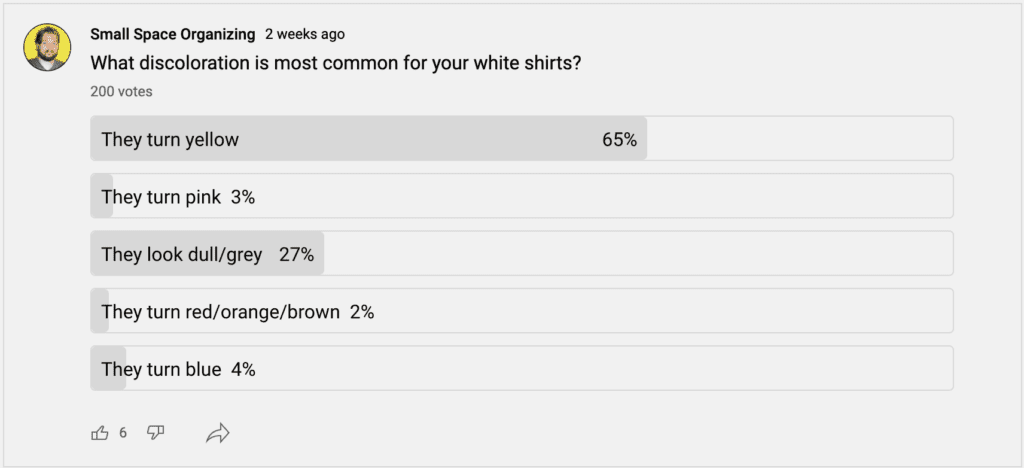
When you mix a blue garment with your white ones when washing, it will turn the white ones blue, especially when using a bleaching detergent.
Luckily, this is a temporary stain you can remove using a commercial stain-removing chemical. This is a common cause for discoloration in washing and can happen with many different colors, not just blue.
How To Remove the Blue Stains on Your White Clothes
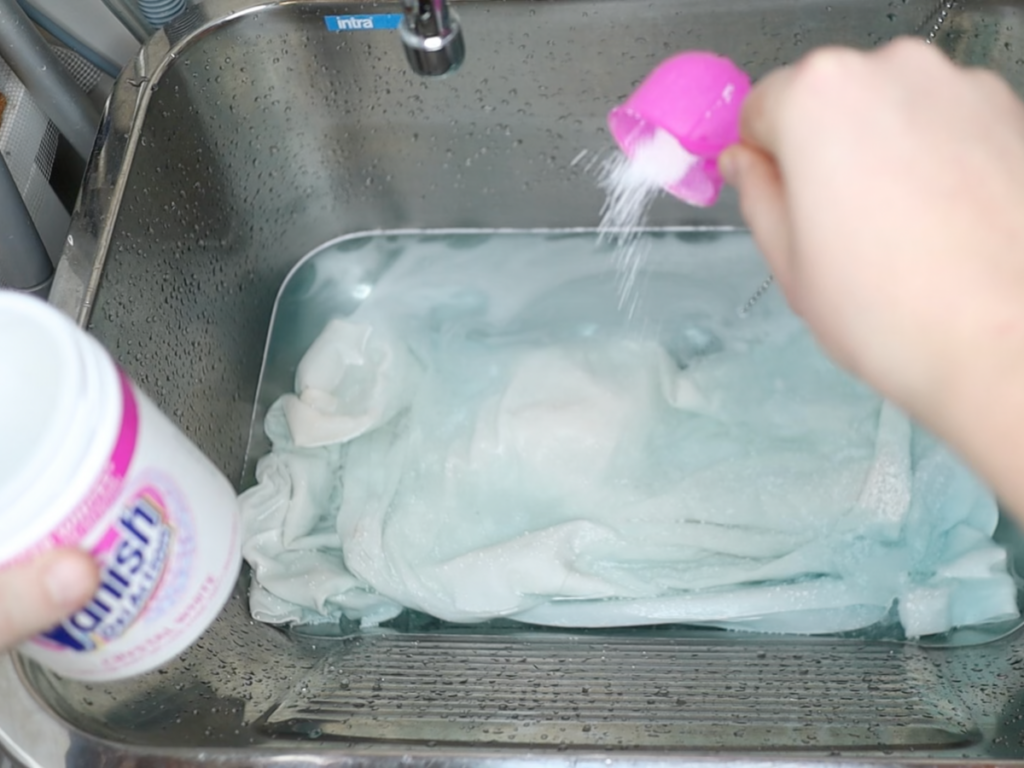
White clothes are always at risk of turning blue whether you wish for it or not. However, several solutions salvage your clothes and enjoy the stainless white color again.
Below are some of the steps you can follow:
- Prepare the solution. Put warm water in a basin or your kitchen sink, add heavy-duty detergent, and mix the solution using your hand. Dip the cloth in the solution and stir for about a minute.
- Rinse and soak the cloth. Rinse the garment using cool water to wash away the detergent. Fill the basin or sink with warm water and mix it with ½ cup (120 ml) of bleaching agent. Submerge the cloth and leave it to soak for about half an hour.
- Redo the soaking if nothing changes after 30 minutes. After 30 minutes, remove the cloth and check whether it is stainless. If the blue color is still visible, redo the soaking process and give it more time. Consider using chlorine bleaching this time and soak it for 15 minutes.
More often than not, you can get rid of the blue stain after this procedure.
Here’s more information on adding bleach to your laundry.
However, if the blue color is still visible after soaking it even in chlorine, don’t continue since this is most likely a permanent stain. Soaking too much can weaken the fabrics, thus decreasing their quality.
How To Fix White Clothes Turned Blue Without Bleach
Bleaching agents aren’t always safe, especially when overused. Luckily, there are other methods you can use to whiten your clothes without bleaching.
They include using white vinegar, making use of citrus, and more.
Use White Vinegar
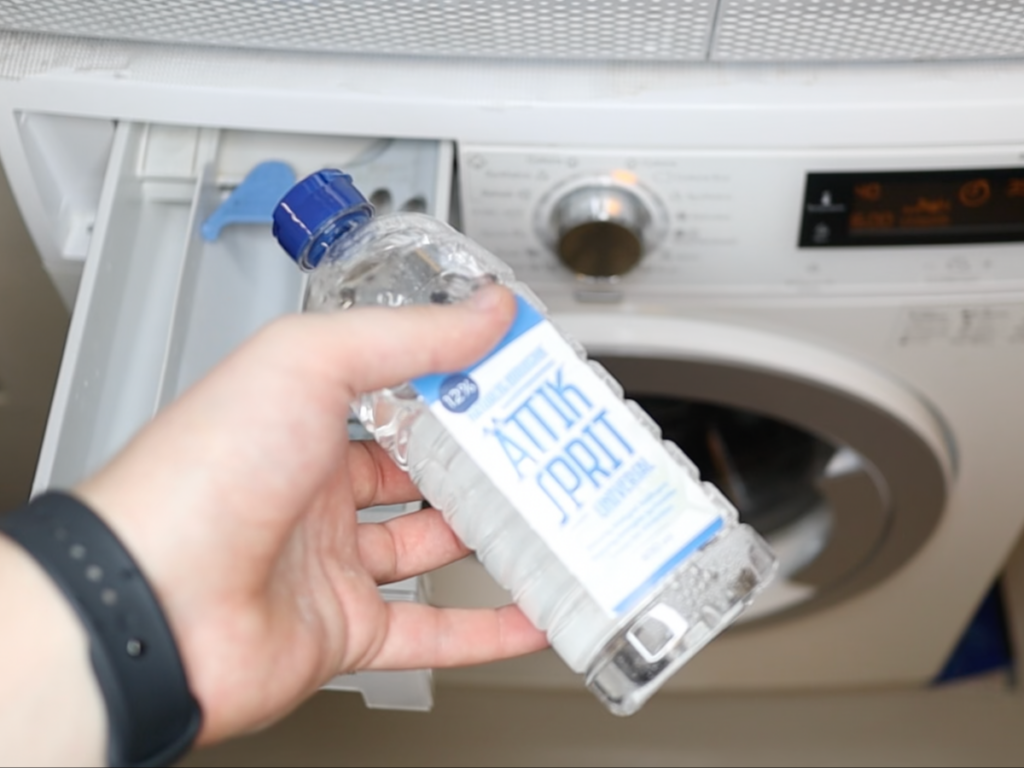
Get a dose of white vinegar and add it to your clothes when washing. This will help brighten the clothes without interfering with their quality.
Additionally, white vinegar will help soften the clothes, and you may not need to add any more fabric softener.
Make Use of Citrus
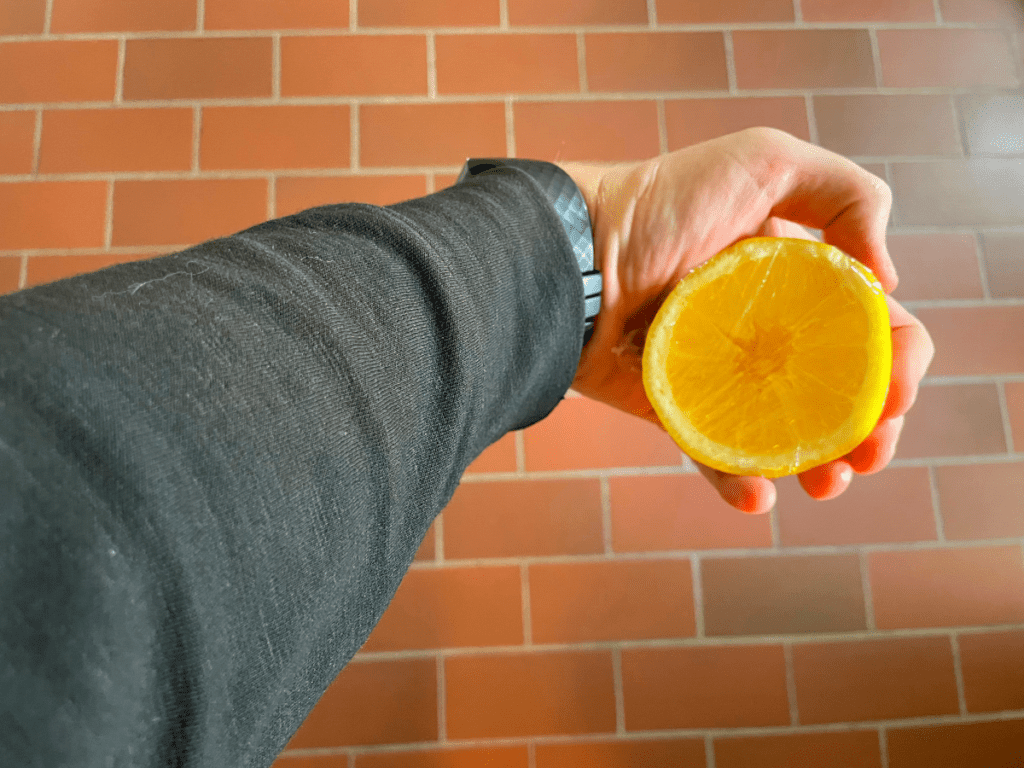
Washing your blue-turning clothes using citrus from lemon is an excellent alternative to bleaching.
First, you will dip your clothes in lemon water and boil. After the water boils, turn down the heat and leave them to soak for about an hour.
Otherwise, add lemon juice to the water you use to wash the clothes, also getting off the stains.
Use Dishwashing Soap
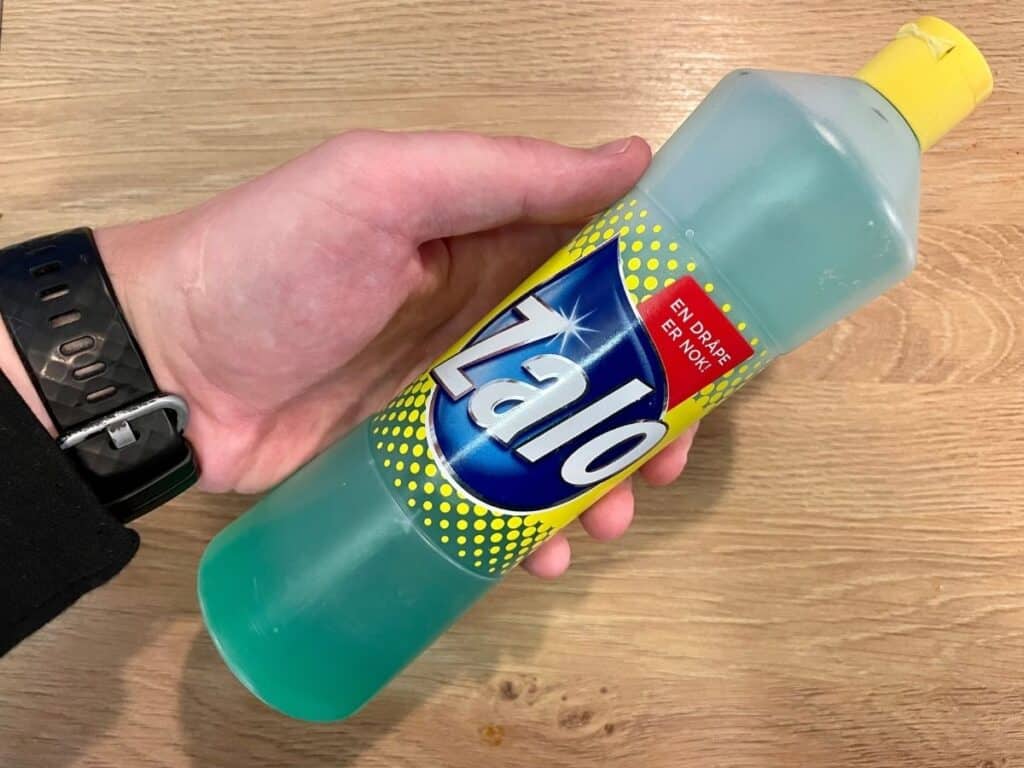
There is a component in dishwashing soaps that works miracles in whitening clothes.
You will add a little dishwasher soap to your usual laundry detergent and do your regular laundry cycle.
The clothes should whiten by the time you finish washing them.
Try using the Cascade Free and Clear Dishwashing Soap (Amazon paid link.)
This soap is excellent for removing stains and has no dyes of its own, so it’s unlikely to leave a mark on your clothes.
Use Aspirin to Wash the Clothes
The aspirin you use to calm down headaches will surprise you when whitening clothes.
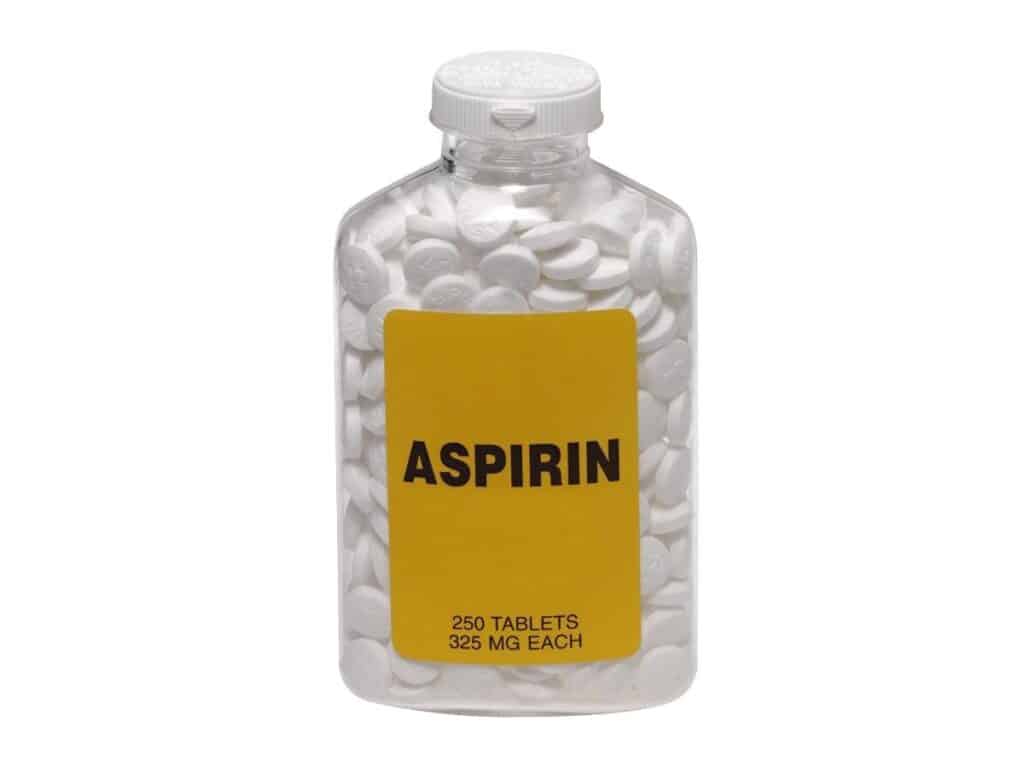
To clean using aspirin:
- Break about five pieces, dissolve them in water, and then dip the white garments in the aspirin water.
- Leave the clothes to soak for about an hour and then rinse them.
- When using aspirin, remember only to use the white tablets and avoid the colored ones.
Use Ammonia in Place of Detergent
Sure, detergent is meant to whiten the clothes. However, as seen above, overuse of blue detergent could turn your white clothes blue.
Therefore, do away with the detergent for a while and use ammonia to remove any accumulated residue. Ensure you use clear ammonia not to add a stain to the clothes.
Use Hydrogen Peroxide

Hydrogen peroxide works as a bleaching agent but is not as tough on clothes.
By soaking your clothes in a solution of hydrogen peroxide, you can dissolve any residue making your clothes blue, leaving the garment stainless.
This is preferable to many alternatives because of its gentleness with the clothing fibers.
Conclusion
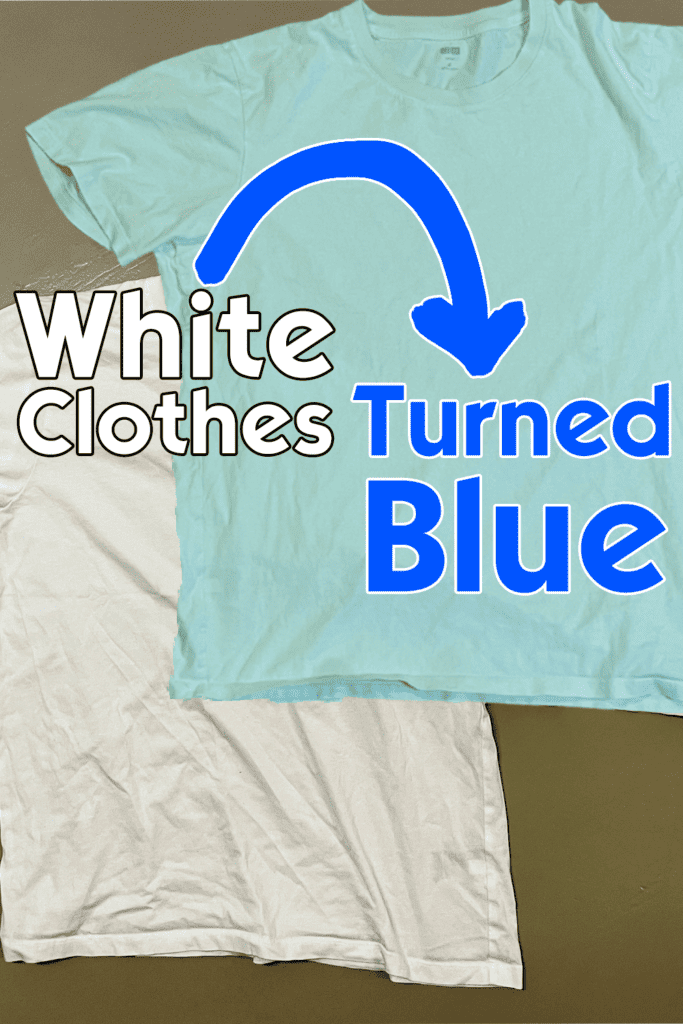
It is safe to say that taking care of white clothes so that they retain their color over time is not always easy.
If your white clothes turn blue, there may be a problem with your pipes or the amount of detergent or fabric. Use the information above to help you rectify these issues and return to stainless white clothes.
I wrote a comprehensive guide on why your clothes are changing color that covers every type of discoloration. Feel free to check it out next.

I’m an expert wardrobe organizer and a bit of a clean freak. I created this website and its YouTube channel to share practical guides about laundry and organizing. My teachings have been featured in multiple large news publications, and I’ve self-published two wardrobe organizing books and an entire course on the subject.

T ryan
Wednesday 12th of October 2022
Whites turning grey.drawer softener drawer filling with water