
Washing clothes while traveling presents unique challenges, but with the right knowledge, it is entirely manageable.
Over the past ten years as a travel enthusiast, I have tried it all: Sinks, showers, wash and fold services, laundromats, and all the travel-laundry products under the sun. Today I want to share my expertise with you.
Self-washing your clothes can be gentle on fabrics, quick, and is often the most cost-effective option. The use of compact, travel-friendly laundry detergent sheets has transformed how you can keep your clothes fresh on the go. These sheets won’t spill or add weight to your luggage, offering a convenient alternative to conventional detergents.
When it comes to travel laundry, not all methods are created equal. Your trusty hotel room sink becomes an impromptu laundry station, or, for larger batches, laundromats offer a more traditional solution.
Color separation is crucial to avoid dye transfer, and pre-treating stains ensures your clothes stay in pristine condition. Understanding the nuances of hand-washing—using cold water, proper agitation, and thorough rinsing—is key to effective cleaning.
Additionally, efficient drying methods, like using a towel to draw out moisture, can accelerate the process, leaving you with clothes that are ready to wear again in no time.
Overview of Travel Laundry Options
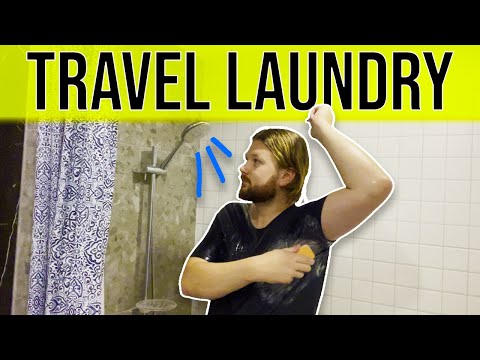
When traveling, keeping your clothes clean can be managed through a few practical methods. Below is an understanding of each option to ensure your garments remain fresh no matter where you are.
Washing Clothes Yourself: The most affordable and controlled method is hand washing your clothes in your accommodation.
- Control: Choose when to wash and avoid potential damage from machines.
- Gentle on Clothes: Hand washing is softer on fabrics than machine washing.
- Time-Efficient: You can wash a couple of days’ clothes expediently.
- Space-Efficient: Uses minimal equipment, though drying space is needed.
- Supplies Required: Any soap available, or bring laundry detergent sheets for convenience.
| Method | Pros | Cons |
|---|---|---|
| Hand Washing | + Control + Gentle on Clothes | – Time-consuming – Requires drying space |
Alternatives to Sink Washing:
- Shower: Wear clothes and clean them using soap; effective and straightforward.
- Dry Bag or Scrubba Bag: Offers convenience and ease of use, particularly useful for outdoor trips.
Remember to pre-treat stains before the main wash and to avoid mixing colors to prevent dye transfer. Be mindful of temperature; use cold or lukewarm water for most textiles to prevent damage.
After washing, rinse thoroughly and gently squeeze out water without wringing the clothes.
For quicker drying, use a towel to absorb excess moisture.
Hand-Washing Clothes
How and Where to Wash Clothes Yourself

When traveling, and you choose to wash your clothes yourself, you typically have three main options.
One efficient method is to use the sink available in your room. Alternatives include washing your clothes in the shower or using a travel-specific product like a dry bag or a scrubba bag, which are designed for scrubbing clothes without traditional laundry facilities.
Each option has its benefits, but utilizing the sink is usually most convenient due to easy access and the ability to control the washing process closely.
Washing Process
Before washing, separate your whites from colored garments to prevent any color bleeding.
Check pockets for items, tackle any specific stains by pre-treating them with a little detergent or soap, and repair any holes to prevent further damage.
Like I mentioned, I have started using laundry detergent sheets almost exclusively in the past few years. They’re easy to carry, effective, and gentle on your clothes. If you want to get some for your next trip, I recommend these sheets from Kind Laundry.
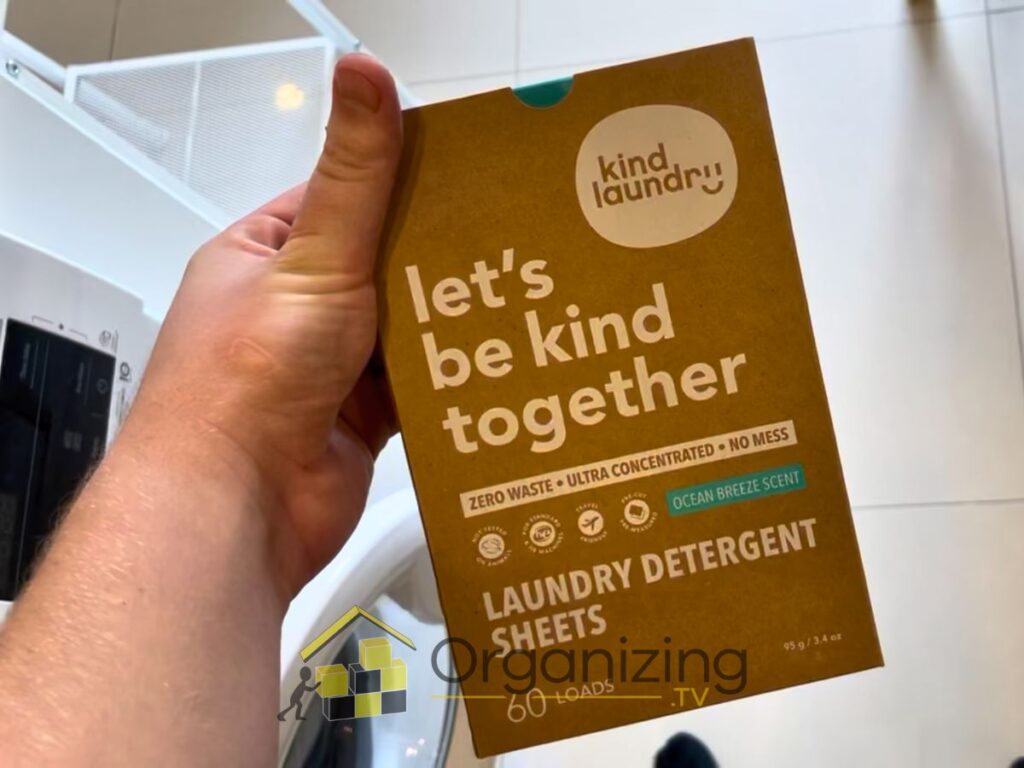
For the actual wash, fill the sink with cold or lukewarm water and add laundry detergent sheets or soap, making sure it dissolves thoroughly.
Submerge your colored clothes in the water, leaving the whites for a separate wash to avoid dye transfer.
Without the need for soaking, start agitating the clothes, focusing on stained areas by rubbing the fabric against itself. Generally, a few minutes of agitation should be enough.
Afterward, drain the soapy water and rinse the garments with cold water until all soap is removed, squeezing out excess water gently.
Drying Techniques

The key to efficient drying is removing as much moisture as possible without stretching or damaging the fabric.
After squeezing out water, lay your clothes flat on a towel and roll it up, pressing down to transfer moisture from the clothes into the towel. This can significantly speed up the drying process.
Alternatively, you can hang the clothes to air-dry, ideally in a well-ventilated area.
If you’re in a hurry and need your clothes dry sooner, using the towel-rolling method can get them about 80% dry, making it a practical method for travelers.
Self-Service Washing Machines
Laundromats
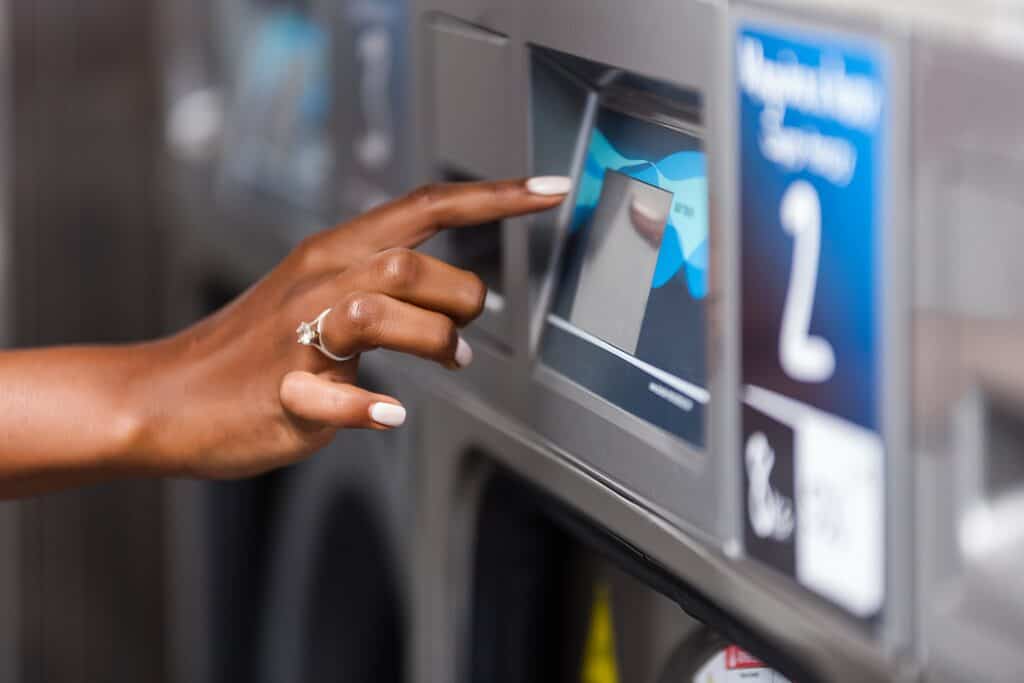
When out traveling, you may want to wash your clothes at a laundromat for convenience.
Laundromats offer the autonomy of washing your garments whenever fits your schedule. However, it is crucial to keep in mind that while the washing machines at these facilities can be more vigorous, you can opt for gentler cycles if available.
The process itself is generally quite straight-forward: Load the washing machine with clothes and your cleaning products (detergent can often be bought on-site if you didn’t bring any.)
After that, you pay and select your desired program. Again I’d be a little cautious and use a gentle cycle unless you’re an experienced laundromat-goer.
Then you can wait for your machine to finish, or leave and come back right before the wash finishes.
Some laundromats offer washer/dryers, while some you’ll need to move the clothes from the washing machine to one of their dryers manually.
A word of caution: Theft of clothes is a real thing. Keep that in mind if you consider leaving any clothes you can’t afford to lose alone in a public space.
Here’s what to consider:
- Timing: You decide when to wash, fitting it within your travel itinerary.
- Cost: Laundromats typically work on a self-service pay-per-use model.
- Care: Select gentle wash options for delicate clothes if possible.
Remember, while laundromats allow for bulk washing, consider the type of detergent offered or bring your own preferred type.
As a side note, I also like to make sure that the washing machines are reasonably clean. Sometimes there can be a lot of laundry detergent residue left in the machines resulting in your clothes not being properly cleaned.
Laundry Rooms at Your Accommodation
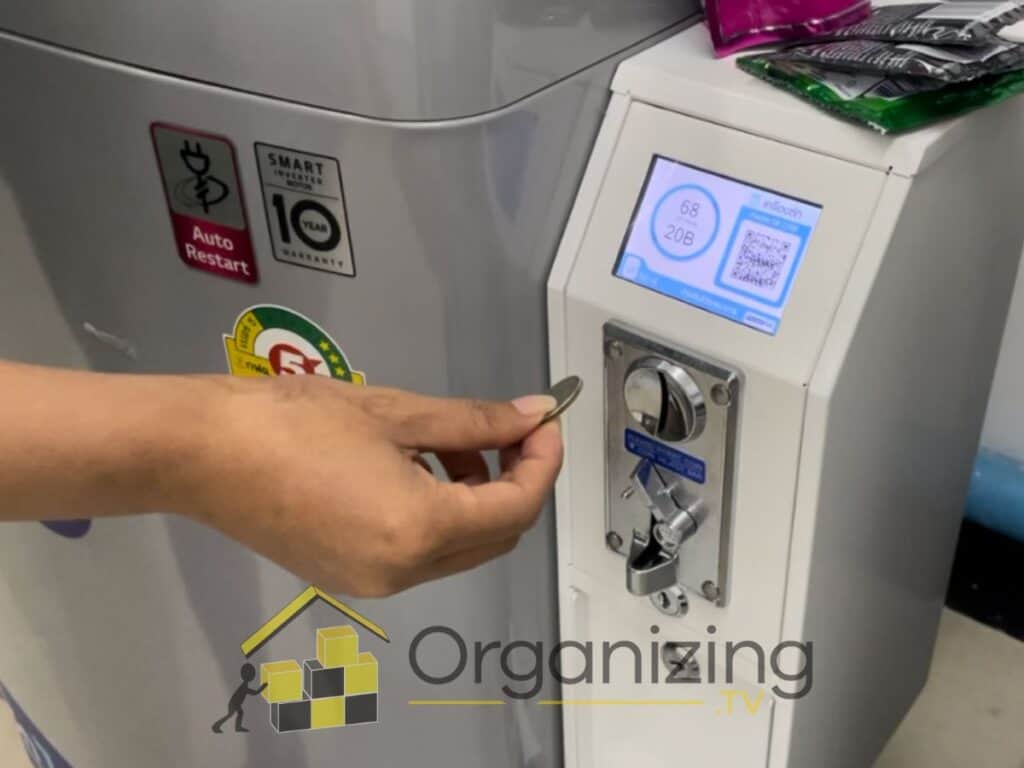
Some accommodations provide laundry rooms with washing machines for guests.
These offer a balance between convenience and control over the washing process.
The process is quite similar to going to the laundromat just more convenient since the machines are so close to your room.
- Convenience: Easily accessible within your place of stay.
- Control: You have the ability to hand wash or select specific cycles for your clothes.
- Space and Detergent: Require space for drying clothes and your own cleaning product—consider detergent sheets for spill-free transportation.
Ensure you have sufficient space for drying your clothes after washing them.
Private Washing Machine in Your Room
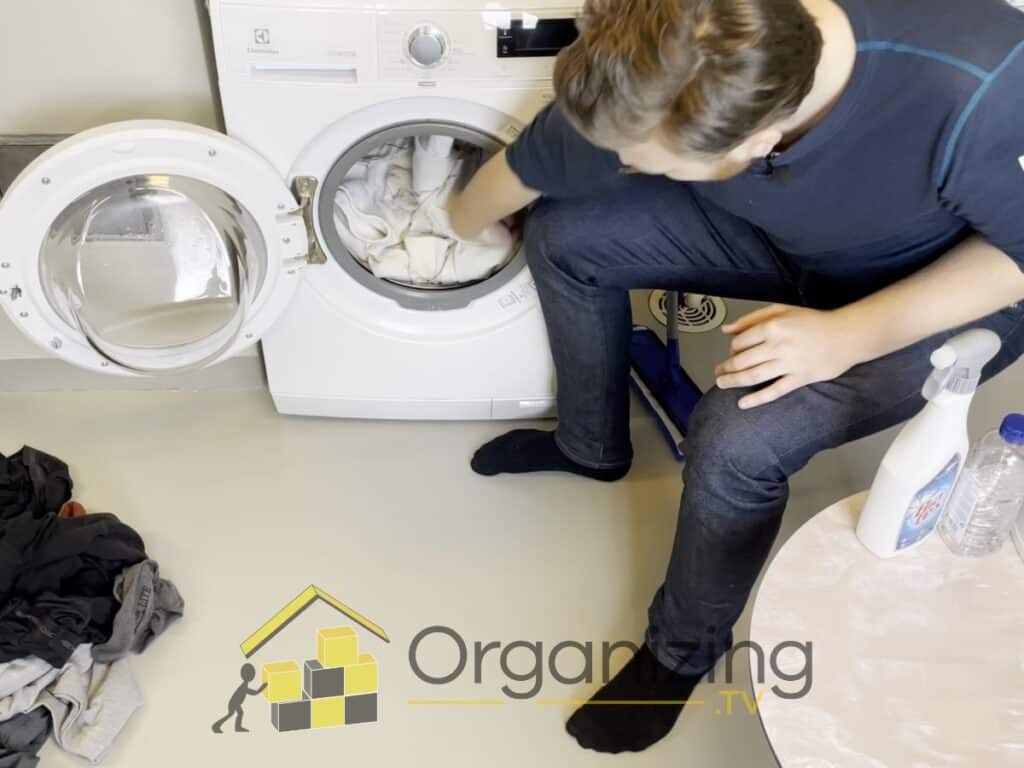
Washing clothes in your accommodation provides the most control over the laundry process:
- Separation: Separate your whites and colors to avoid color bleeding.
- Inspection: Check for items in pockets and pre-treat stains prior to washing.
- Temperature: Use cold to lukewarm water, especially for delicate garments.
- Method: Use agitation to clean the clothes and rinse thoroughly to remove soap.
- Drying: Squeeze out excess water gently; for rapid drying, roll garments in a towel to absorb moisture.
This method requires your time and effort but can be quick and efficient, especially for smaller batches of clothing.
Use soap if detergent is not available, with soap being less effective but still sufficient in a pinch.
When drying, avoid over-wringing clothes to get water out of them; instead, consider pressing them gently if you need them to dry fast.
The same thing goes if you’re going to use the towel trick I caught you earlier in this guide.
Wash and Fold Services
Hotel Services
When staying at a hotel, you might find the convenience of using their laundry services incredibly convenient.
All you need to do is leave your dirty clothes in a designated basket or bag in your room, then inform the staff that you would like to have your clothes cleaned.
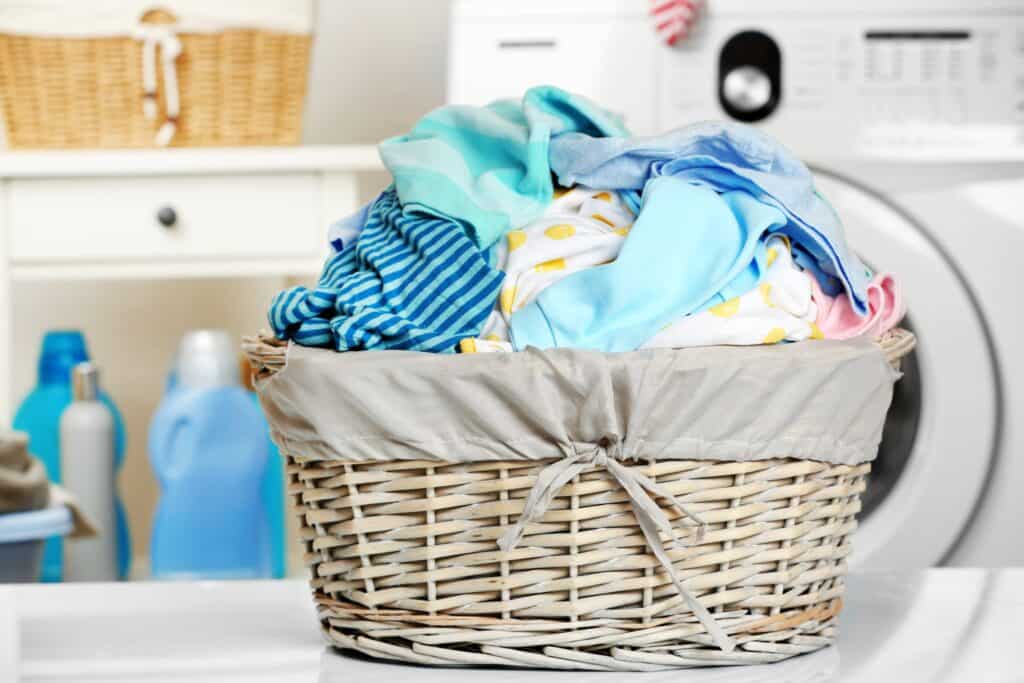
And generally, you will have your clothes back in your room cleaned and folded in 24-48 hours.
Sounds too good to be true right? Well, it kind of is. Having hotels do your laundry is often the most expensive way to have your clothes cleaned while traveling.
You also give up control of how they are cleaned unless you leave specific instructions. But in the right circumstances just having the hotel take care of everything for you while you focus on your trip can be great.
Just make sure you keep enough clean clothes for the duration it takes your hotel to clean the clothes for you!
I may, or may not have forgotten a time or two myself…
Wash and Fold Services Outside Your Hotel
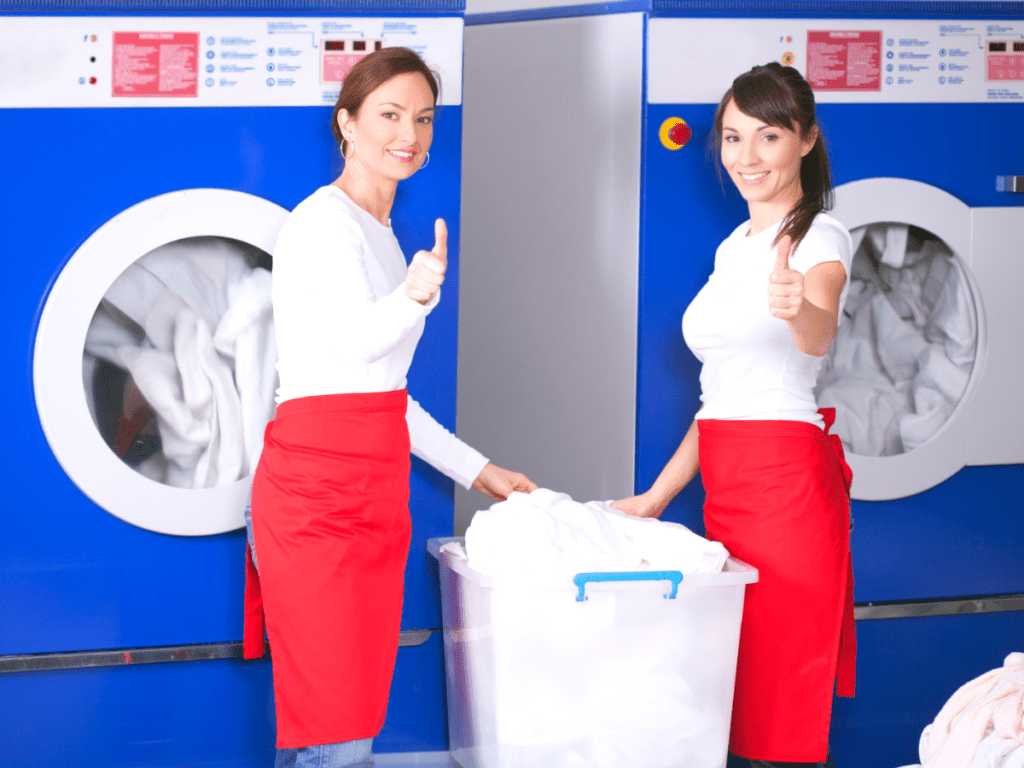
This is often a great alternative to having the hotel do your laundry as it often comes out cheaper. In some cases, hotels will simply outsource their laundry cleaning services to a nearby wash and fold service provider anyway.
The big drawback to using a wash and fold service outside compared to having your hotel do it is that you may need to drop off and pick up your clothes at the wash and fold location yourself.
Having the service providers pick up and drop off the laundry in the hotel lobby could be an option as well if all parties are willing.
Personally, I use this option frequently in cheaper countries where this can be surprisingly cheap. Just make sure you use a reputable wash and fold service (yay Google Maps reviews) otherwise your clothes may not be properly washed, or come back damaged.
Laundry Apps
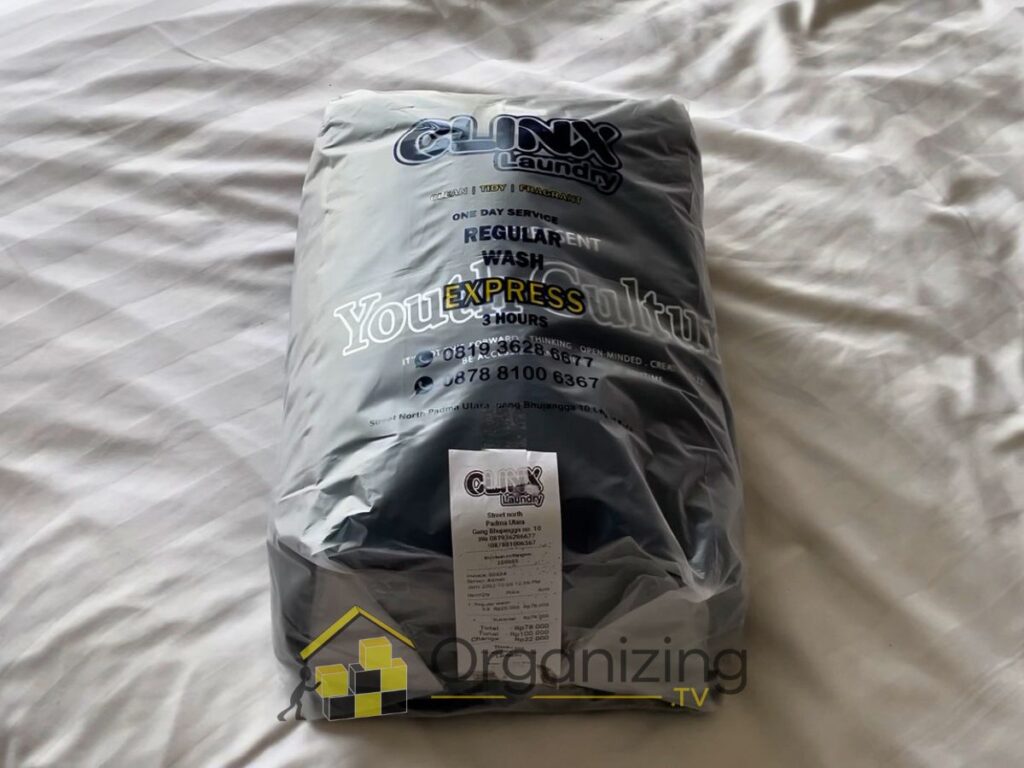
Laundry apps are on the rise. While their services vary, you will generally find that you pay for the laundry services you want through the app, and then someone comes and picks up your laundry, washes and folds it, and delivers it back to you.
Yes, you heard that right: These apps will connect you with local wash and fold services, allowing you to schedule pick-ups and deliveries without leaving your accommodations.
While the general drawbacks to laundry apps are the same as with the other laundry services: less control, costly, and can take a long time, the big drawback here is that you’ll have to trust someone on an app in a foreign location with all your clothes.
Color and Fabric Selection for Travel Clothing
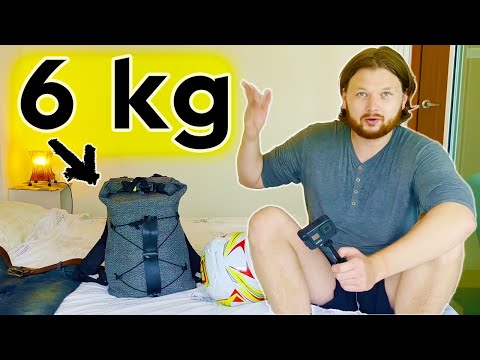
Choosing the right colors and fabric for your travel wardrobe can greatly simplify the laundry process during your trip.
Clothing Color Choice:
- Select dark or black garments for travel as they hide stains better and often require less pre-soaking and care.
- Light color, and especially white clothes are notorious for getting dirty while traveling. Consider leaving light colored clothes at home to save yourself some pain.
Clothing Fabric Choice:
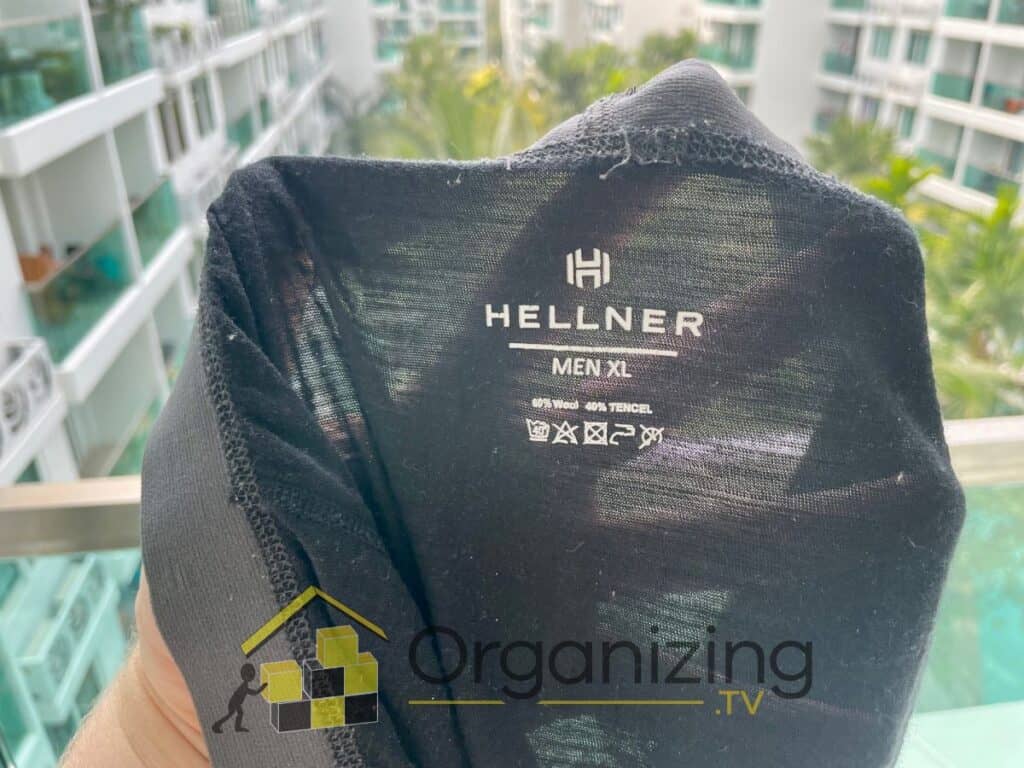
Wherever in the world you’re going it is hard to go wrong with cotton.
If you’re willing to drop some coin, then other options like merino wool and bamboo rayon are great because they are both odor-resistant. They are more costly and significantly more delicate though.
I’d steer clear of any other fabrics, especially synthetics as they seem to start smelling quite fast. And while linen is excellent for keeping cool, so is bamboo rayon while not wrinkling up.
Useful Travel Laundry Products
Here are some great travel products that I have discovered over the past ten years as a traveler. I will say one thing, if you think you won’t need any of the products below, just skip them as they take up both weight and space in your luggage.
However, these are the only products I’d ever consider bringing after testing out every travel-laundry product under the sun.
Laundry Detergent Sheets
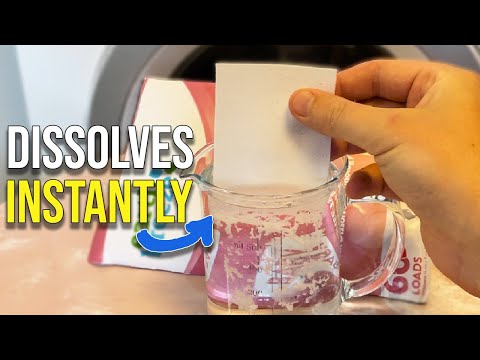
When washing your clothes in your room, space and convenience are essential. Opt for compact laundry detergent sheets, which take up little space and avoid spillage risks associated with liquid detergents, powders, and pods.
Advantages:
- Spill-proof and travel-friendly
- Lightweight and space-efficient
Usage:
- Dissolve a sheet in water
- Suitable for handwashing in small batches
My favorite laundry detergent sheets are produced by Kind Laundry. If you want to try it out I’d appreciate it if you use the link to buy it as a get a little commission on sales.
Portable Drying Line
To dry your freshly washed clothes, a portable drying line can be a game changer. It’s a space-saving tool that allows you to hang garments in your accommodation or outdoors.
Features:
- Easy to set up
- Can be used in various environments
Benefits:
- Drastically reduces the space needed for drying
- Helps clothes dry faster than laying flat or hanging over a chair
- Drawbacks:
- Takes up room in your luggage when packed
- You need to make sure the line is dry before packing it
Scrubba Laundry Bag

For a more effective handwashing experience, consider using a Scrubba Laundry Bag. It’s designed to mimic a washboard, providing a thorough clean without the bulkiness of traditional equipment.
Positives:
- Lightweight and portable washboard technology
- Doubles as a dry bag for travel
- Efficient at removing dirt and stains
- Great for travelers who prefer a deeper wash
- Drawbacks:
- It is quite expensive compared to a regular dry bag
- The large version uses a lot of room in your luggage even when rolled up.
Laundry Bag for Dirty Clothes
Separating your dirty laundry from clean clothes is crucial when traveling. A designated laundry bag for dirty garments keeps everything organized and prevents odor transfer.
A simple plastic bag will do the trick in a pinch, but a proper laundry bag will allow your clothes to breathe.
If you enjoyed this guide, show it to a friend or partner before your next big trip so they can travel like a pro as well!
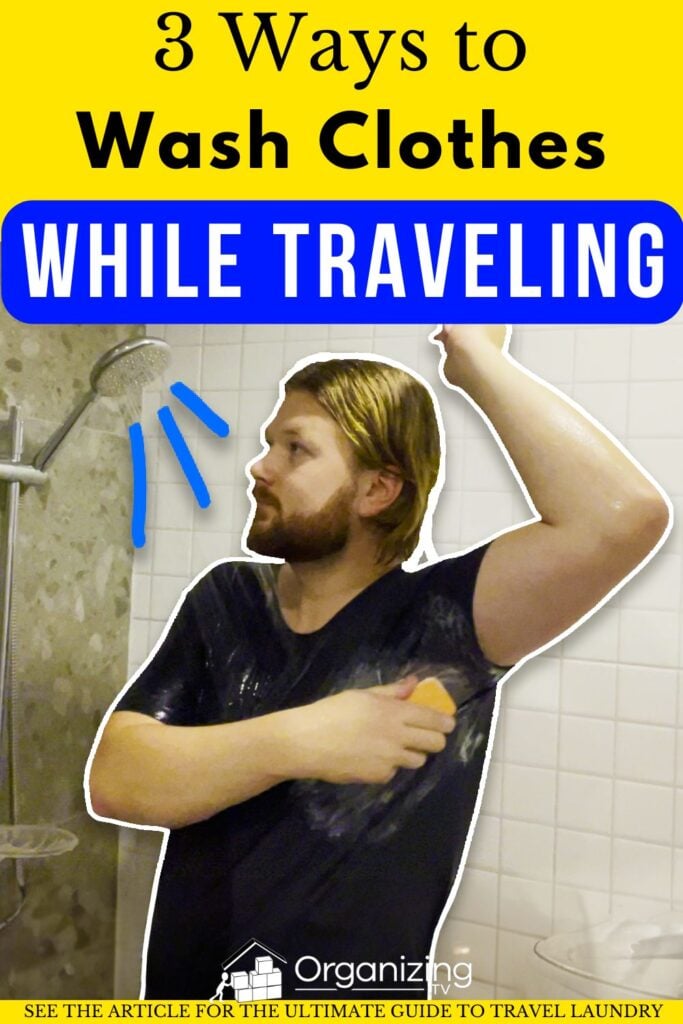

I’m an expert wardrobe organizer and a bit of a clean freak. I created this website and its YouTube channel to share practical guides about laundry and organizing. My teachings have been featured in multiple large news publications, and I’ve self-published two wardrobe organizing books and an entire course on the subject.