
Black is a distinct fabric color for most versatile and stylish clothes. Sadly, black clothes have one weakness; they easily fade or turn brown after a few washing cycles. This makes the once dark clothes dull and unappealing. Read on to find out why this happens and how to prevent it.
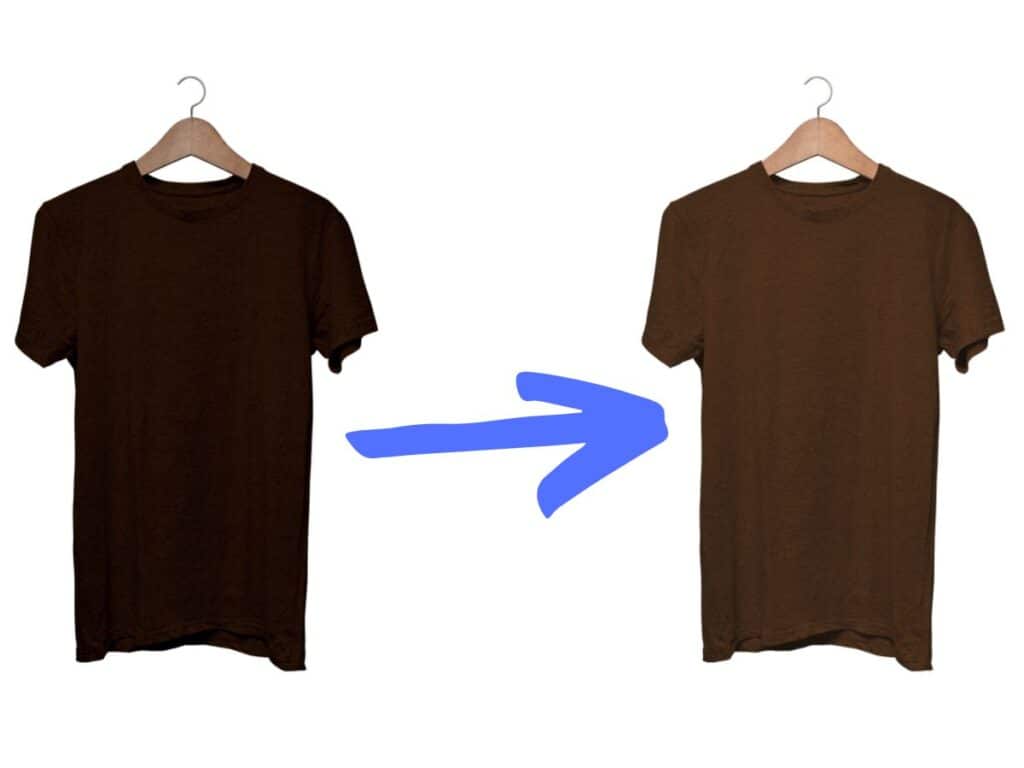
Black clothes fade or turn brown for several reasons. These include extended exposure to sunlight, type of detergent used, contamination from other bleeding fabrics, and frequent washing, among others. To stop your clothes from turning brown, isolate the specific cause of the discoloration and fix it.
Understanding Why Black Clothes Turn Brown and Tips to Fix It
Rusty Plumbing Systems

If you recently relocated to a new house, you might need to investigate the water you’re using. Usually, houses with old plumbing systems become rusty over time, contaminating the water with dissolved iron. In turn, this will taint your laundry water and stain your clothes.
You will need to consult plumbing professionals to investigate the plumbing system to fix this. Depending on their diagnosis results, they might recommend repairs or replacements with new ones.
Contamination From Dye-Bleeding Brown Clothes
Mixing bleeding brown colored clothes in your washing machine with black ones will definitely stain the black ones. Always ensure you only wash clothes of the same color separately if you suspect some might shed off dye. You can also check whether a new cloth is leaking by soaking it separately overnight and observing the color of the water the following day.
Abrasive Action From Other Clothes
As clothes tumble inside the washing machine, their fabrics rub against each other. This abrasion action has a two-fold effect on the clothes. First, the fabric tends to lose the original color and expose the inner color.
Some black clothes are first dyed with a base color before the black color. As they rub against others, they expose the underlying dye. If the base color is brown, the scrubbed parts will make the garment appear brown.
Alternatively, the brown fabric can rub off its color against the black cloth and turn some of its parts brown. To avoid this, wash black colors separately. You can also turn the clothes inside out to protect the outside part from the abrasion.
Exposure to Sunlight
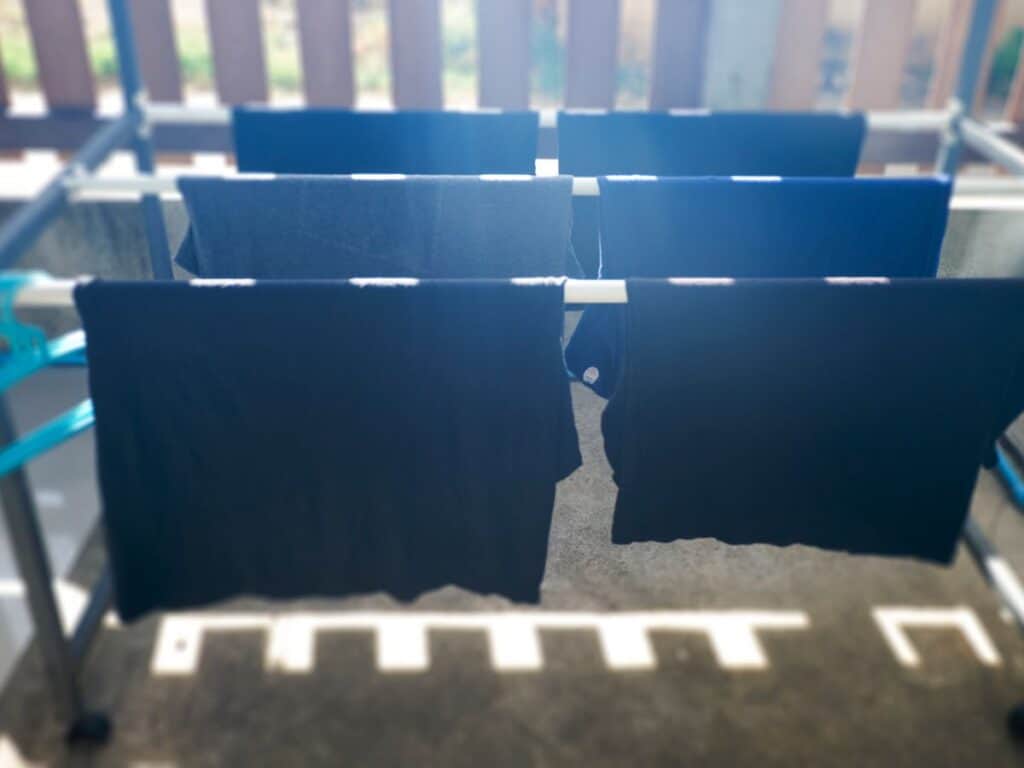
Frequent drying of clothes in the sun has a natural bleaching effect on the clothes. With each subsequent drying cycle, the dark color eventually starts to fade. This might take any color, depending on the fabric type and the manufacturing process. It is not uncommon for the black fabric to revert to what was its original brown color before dying.
To prevent this, avoid drying your clothes under direct sunlight or overstaying in the sun after drying. Promptly removing them from the drying line protects their color from continuous sun scorching. Optionally, you can use an indoor drying rack, so the clothes can dry under room temperature.
I wrote a detailed guide to drying your clothes that may interest you.
The Detergent
Sometimes the detergent can turn black clothes brown. Some detergents contain bleaching agents, causing some clothes to bleed dye.
If by coincidence, the bleeding clothes are brown, they will taint the black ones. That is why it is important to only buy known reputable detergents to avoid spoiling your clothes.
Also, you can read the ingredients label to identify the presence of bleaching agents. Common bleaching agents found in detergents include chlorine and its related compounds, hydrogen peroxide, and sodium perborate.
Another tip is to add the detergent before loading to avoid getting the clothes into direct contact with the clothes.
Frequent Washing
Frequently washing your clothes is critical in the preservation of their colors. No matter how gently you wash the clothes, they will still wear out. This affects not only the fabric but the color as well. The more you wash, the more the outer color coat rubs off, exposing the base color, which could be brown.
To avoid the effect of color rubbing due to frequent washing, identify the clothes that can be washed frequently and others that can wait longer. For example, sweaters can be worn twice or more before they need washing.
Avoid the Dryer
The dryer is a common culprit in turning black clothes into brown colors. By heating the clothes during the drying period, the color fades over time and turns to others, such as brown. To preserve the dark black color, avoid the dryer.
But if you insist on using the dryer, be sure to use shorter drying cycles as they are kinder to the fabric colors. You can also use other methods such as drying outside on the clothesline.
Using Hot Water
The hot water loosens the dye and the fabric and makes the clothes bleed dye, which is another way brown clothes can transfer their colors onto black clothes. Moreover, black clothes can also turn color by bleeding to their base brown colors. That is why for original color preservation, cold water washing is always preferable to hot or warm water.
Frequently Asked Questions
Can I Use Coffee to Prevent Black Clothes From Turning Brown?
Coffee is an excellent preservation agent of colors in black clothes. It strengthens the color of the black clothes and prevents them from fading and turning brown. To use this method, prepare three to four cups of dark coffee and add it to your rinsing cycle, then air-dry them.
Can You Restore Browned Clothes to Their Original Color?
You can use table salt or vinegar to restore brown clothes to their original color. Add ½ a cup of vinegar or table salt into the washing machine drum, and then load your clothes, rinse and dry normally. That should restore their original color.
My guide on mixing laundry detergent and vinegar.
Can Lint Make Black Clothes Look Brown?
Lint on the clothes can taint their original appearance. As such, if the lint particles are brown, they will cover the black clothes with shades of brown color masking their original appearance. To avoid your clothes from lint contamination, ensure your machine has a well-functioning lint filtration system.
I wrote a comprehensive guide on why your clothes are changing color that covers every type of discoloration. Feel free to check it out next.

I’m an expert wardrobe organizer and a bit of a clean freak. I created this website and its YouTube channel to share practical guides about laundry and organizing. My teachings have been featured in multiple large news publications, and I’ve self-published two wardrobe organizing books and an entire course on the subject.