
Capsule wardrobes have become increasingly popular recently because they help you make the most out of your fashion style with a limited selection of clothes. If you’re considering creating a capsule wardrobe, you might wonder what the benefits and drawbacks are.
Pros of a capsule wardrobe include efficient closet organization, time and money saving, sustainability, and improving your self-confidence. Cons include spending more money on investment pieces, doing laundry more often, and a lack of variety.
In this article, I’ll discuss the pros and cons of a capsule wardrobe, so you can make an informed decision. I’ll also explain how to start your own capsule wardrobe. Let’s dive right in!
The Pros of a Capsule Wardrobe

Creating a capsule wardrobe provides you with many benefits. This section outlines some of the most notable pros of having a capsule wardrobe:
You Can Organize Your Closet More Efficiently
The principle of a capsule wardrobe is to decrease your number of clothes, accessories, and shoes, so you’re only left with your most essential and favorite pieces. From your capsule wardrobe, you should be able to mix and match various outfits, regardless of the season.
There is no definite number of garments that a capsule wardrobe should contain because it depends on your personal style and requirements.
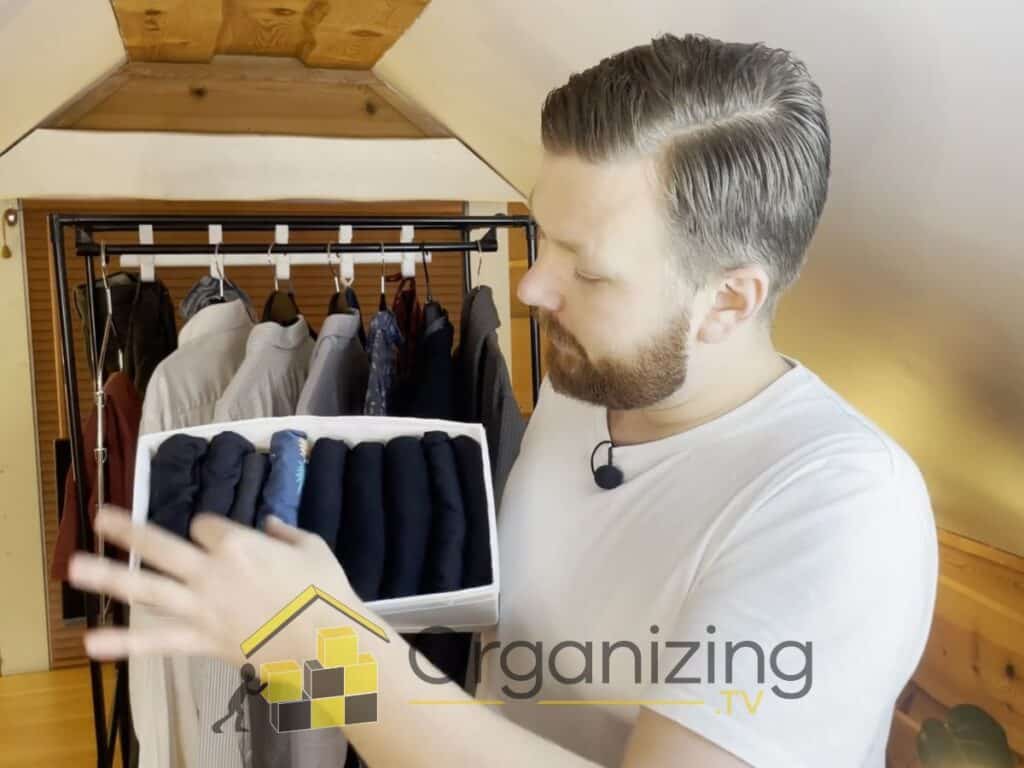
For instance, in her book “The Capsule Wardrobe:1,000 Outfits from 30 Pieces,” fashion mentor Wendy Mak suggests that you should keep 30 pieces of clothing that you can wear and re-wear in various ways. This collection is what she calls the “Terrific Thirty!”
However, if 30 wardrobe pieces are not enough, you can extend your clothing range to 50 pieces. This is typically the maximum amount of clothing you should keep if you want your closet to be organized and efficient.
Once you’ve trimmed your wardrobe into only the essential pieces, it’s already decluttered. After this, you have more space to organize your capsule wardrobe.
It Can Save You Time
A capsule wardrobe can save you a lot of time when getting ready because you only have your best and most essential clothing items left.
Since a capsule wardrobe has items that pair well with each other, you can save yourself a lot of time when getting dressed and always have a well-put-together outfit.
Capsule wardrobes can also save you a lot of frustration and anxiety when getting dressed. Instead of worrying and overthinking your outfit for the day, having a limited choice of clothing and accessories makes the process simple.
Capsule Wardrobes Are Economical
In the long run, a capsule wardrobe is more economical. Instead of constantly adding new clothing items, shoes, and accessories to your wardrobe (some of which you might only use once or twice), you’ll only need to buy new items when the current ones become worn out.
Capsule Wardrobes Are Sustainable

“One day you’re in, the next day you’re out.” This line from the famous American television series Project Runway best describes fast fashion.
Fast fashion is the mass production of fast, inexpensive, and readily available clothing. The word “fast” refers to how products can quickly shift from one design to another as the demand for clothes and different styles changes seasonally.
Nowadays, fast fashion is considered a global environmental justice issue. The amount of production work required to meet the demands of the fashion industry leads to harming the environment, and human health and violation of human rights through cheap labor.
Currently, an overwhelming amount of apparel products is manufactured every day. However, opting for a capsule wardrobe is a move towards being more sustainable and rejecting the concept of fast fashion.
Capsule wardrobes are sustainable because you invest more in high-quality apparel products with a classic style that you can wear for several years. In doing so, you help reduce clothing waste as a by-product of mass-producing clothes.
It Can Improve Your Self-Confidence

In one of the previous sections, I mentioned that reducing the size of your wardrobe makes it easier for you to mix and match clothing when getting dressed. If you don’t already have one, it can allow you to discover your own personal fashion style.
As a result, your self-confidence can improve as you become more comfortable with your fashion choices and have fun putting together outfits.
If you plan to travel, I strongly recommend at least packing a capsule wardrobe for your trip. Check out my guide here.
The Cons of a Capsule Wardrobe
While creating a capsule wardrobe offers many benefits, there are also some drawbacks to consider. To help you manage your expectations about a capsule wardrobe, here are some cons for you to be aware of:
You May Spend More on Investment Pieces
Having a capsule wardrobe can save you a lot of money in the long term because you’re less likely to indulge in impulse buying when you’re feeling bored or depressed.
If you don’t already have high-quality, signature pieces suitable for a capsule wardrobe, you’ll need to spend a certain amount of money to get it up and running. This can be difficult if you’re currently on a budget.
You’ll Need To Do Laundry More Often

Having fewer clothes means doing laundry more frequently. Washing your clothes more often can also cause them to fade and lose their form faster than usual.
With this in mind, it’s a good idea to consider the best washing practices for the clothing in your capsule wardrobe. You can learn how to preserve your clothes when washing them in twelve easy steps through this informative article here.
Capsule Wardrobes Lack Variety

After having a capsule wardrobe for a few months, you might find that it lacks variety and creativity, which can feel boring and uninspiring for many people. You might also find yourself
running out of matching outfit combinations. Fewer clothing items mean fewer choices to experiment with.
How To Start Your Own Capsule Wardrobe

Now that I’ve discussed the pros and cons of a capsule wardrobe, I can explain how to start your own one. The good news is that starting a capsule wardrobe is very easy, and there’s a good chance you already have the basic elements.
Here are some of the things to consider:
Understand and Define Your Personal Style

The first step involves thinking about and defining your personal style. To help you start, you might ask yourself the following questions:
- What is my taste in clothing?
- Do I have a preferred style and color scheme?
- Will my preferences fit the lifestyle that I have right now?
- Do I need mostly formal or casual outfits, or a combination of both?
Understanding your personal style gives you direction in choosing your clothing easily.
Now that you have a better understanding of your personal style, it’s time for you to define it. You may consult a fashion expert regarding this. However, if you cannot afford to do so, you can use the most accessible network — the internet.
You can create your own style mood board by using platforms such as Pinterest for inspiration. Simply browse the fashion categories, and find the images that suit your style and vision for yourself.
Categorize the similarities in your chosen images, and voilà! Your personal style is now more defined.
Declutter Your Closet
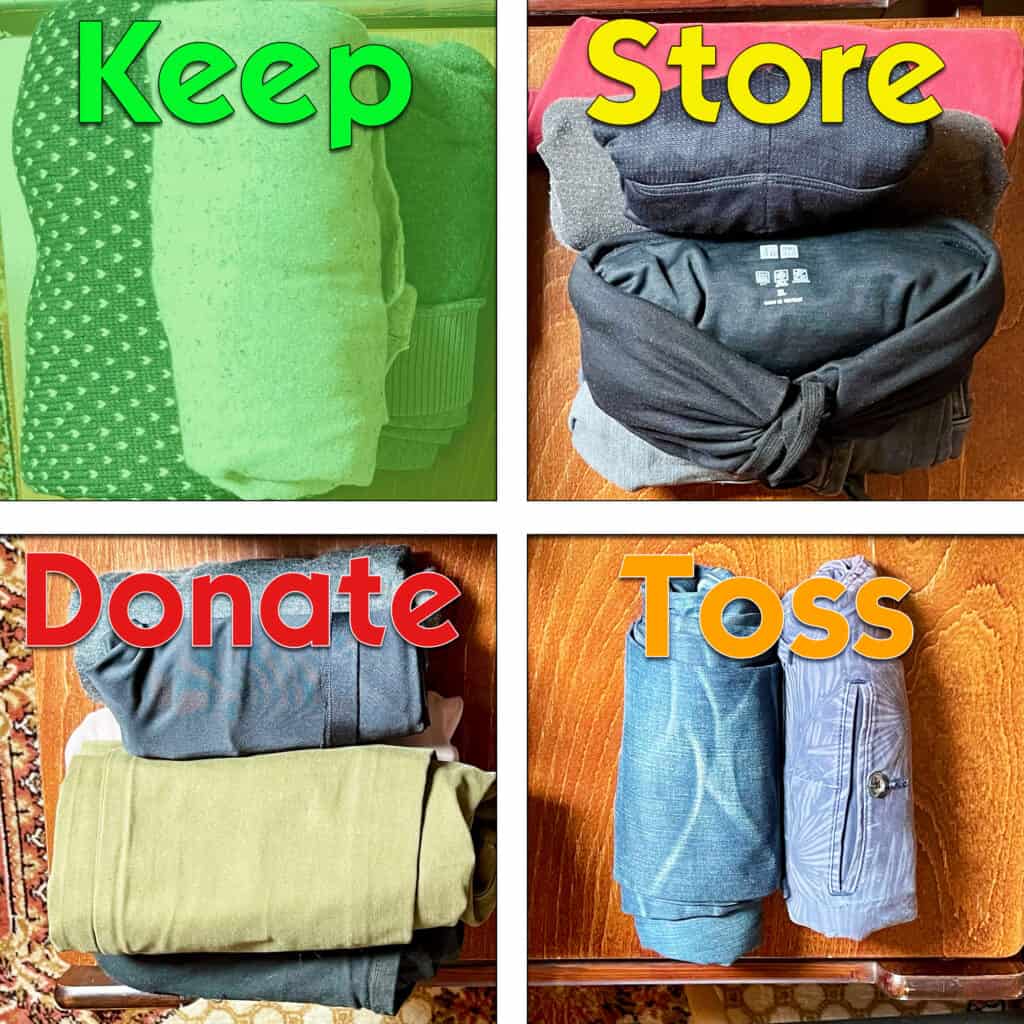
Decluttering your closet is where the hard work begins, and your capsule wardrobe takes shape. Decluttering your closet involves removing everything that isn’t part of your new capsule wardrobe. This should be easier now that you already know what your fashion needs and wants are.
Let those that fit your fashion style stay in your wardrobe. After all, you only need 30 to 50 clothing pieces inside your capsule wardrobe.
Create a Style Strategy
A capsule wardrobe only has a few key garments. Still, a limited wardrobe doesn’t have to be drastic, and you can make the most out of your wardrobe by building a “style strategy.”
Planning your clothing combinations increases your efficiency in the long run. You must take into account the elements of your style, including patterns, color schemes, fabrics, clothing pieces, and silhouettes.
Your capsule wardrobe should consist mostly of neutral colors, such as:
- Black
- White
- Brown
- Navy blue
- Grey
- Cream
You should also consider items that mix and match easily, such as:
- Jeans
- Tailored black pants
- White collared shirts
- Basic t-shirts
- Pencil skirts
- Plain blazers
Another important factor is determining what type of capsule wardrobe you want. As I already mentioned earlier in this article, a seasonal capsule wardrobe refers to one’s collection of clothing for a specific season.
Adapting such a wardrobe means that you should put time aside to select clothes before each season to prepare for any changes in the weather or temperature. In contrast is the year-round capsule wardrobe, where selected clothes will be used regardless of the season.
Choosing between a seasonal and year-round capsule wardrobe depends on your preferences. A seasonal capsule wardrobe works best if you:
- Want to be less overwhelmed
- Have lots of extra storage space
- Have an eye for a minimal wardrobe
- Appreciate intentional wardrobe curation
Alternatively, you might prefer a year-round capsule wardrobe if you:
- Want to spend less time changing your wardrobe every season
- Enjoy wearing familiar and functional outfits
- Live in a place with a steady climate all year round
Final Thoughts
Creating a capsule wardrobe can have disadvantages, but the benefits definitely outweigh the drawbacks for many people. Taking all these factors into account will make your wardrobe life more convenient.
At the same time, starting your own capsule wardrobe is very easy. Following the steps mentioned above, you have a good place to start in planning your style choices.
For more information on creating your perfect capsule wardrobe, check out this 14-step challenge.


I’m an expert wardrobe organizer and a bit of a clean freak. I created this website and its YouTube channel to share practical guides about laundry and organizing. My teachings have been featured in multiple large news publications, and I’ve self-published two wardrobe organizing books and an entire course on the subject.