
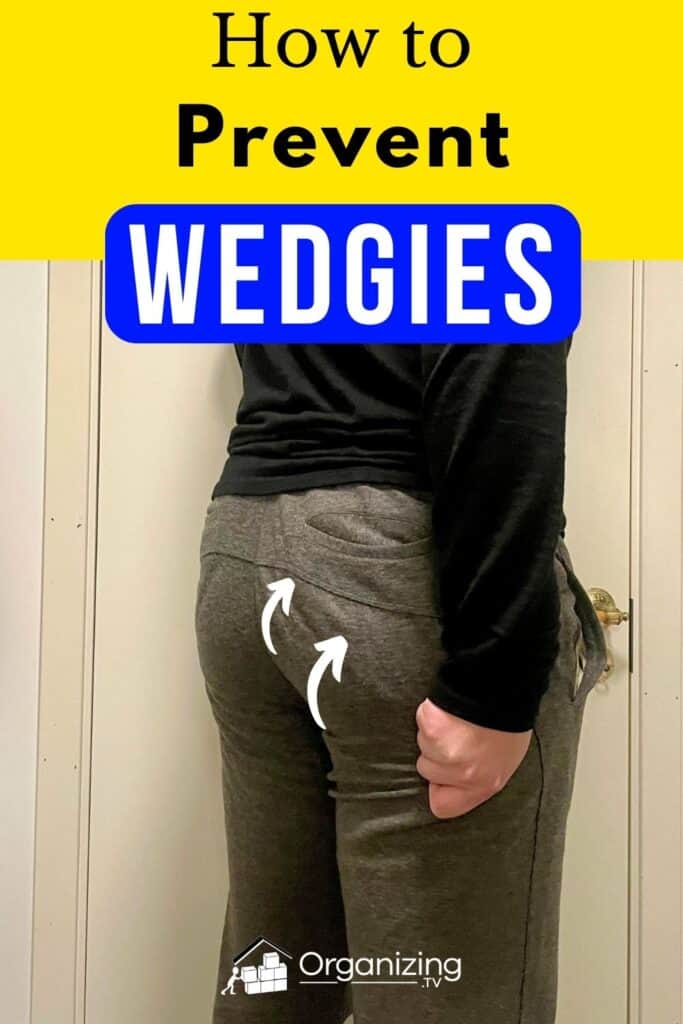
There’s probably nothing more uncomfortable than going out in public dressed immaculately only to find that the fabric of your underwear has ridden up in your backside. Wedgies can be intolerable and unfashionable and can even lead to chafing. But how can we stop them?
You can stop getting wedgies by wearing the correct underwear size and in the right style. Replace old undies and have enough to avoid washing them often and wearing them out faster. Experiment with different fabrics and elasticity, as finding the right balance help stop wedgies.
If you want to avoid the discomfort of a wedgie, you should learn how to choose the appropriate underwear. Read on as I discuss why we get wedgies and how to stop them, including the factors that you need to consider when buying undies, including the fabric, size, and style.
1. Wear the Correct Underwear Size
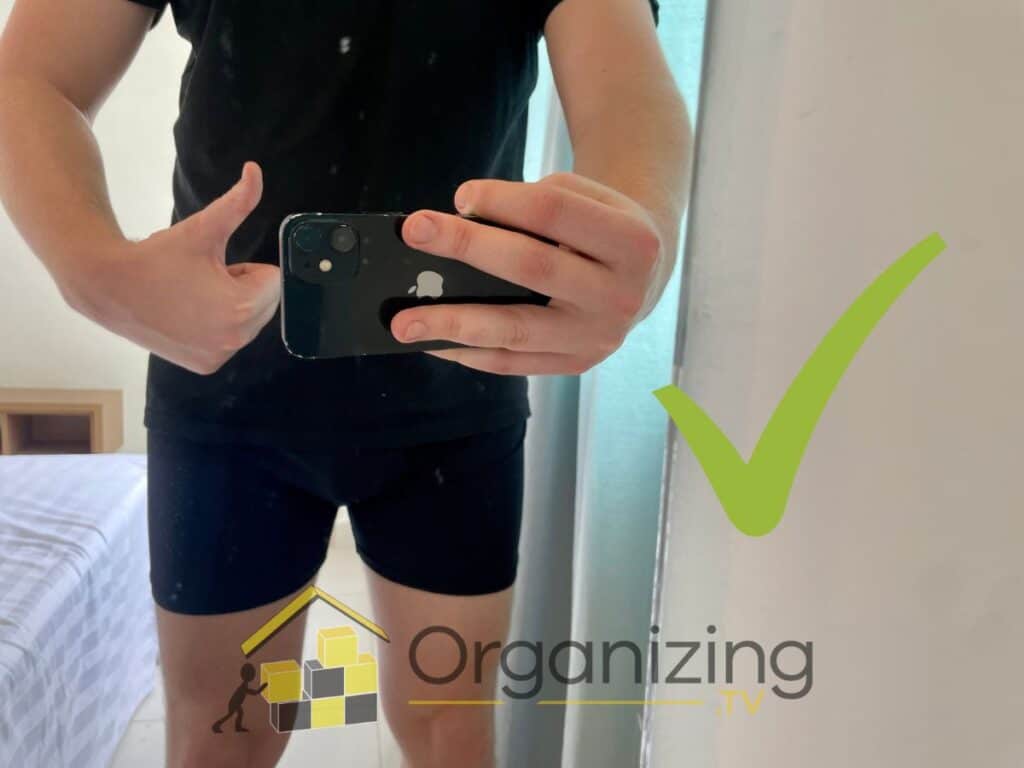
The first thing you should do to stop wedgies is to choose the right size of underwear. You’re more likely to suffer from frequent wedgies if your underwear is either too big or too small. However, it is more likely to happen if they’re too big for you.
There are two ways you can pick the correctly sized underwear for your body type.
Try on Different Sizes
You can buy different pairs in sizes that are close to what you’re already wearing. If you feel that your current underwear is too tight, try on others that are a size or two bigger. If they’re too big, try on smaller sizes.
Unfortunately, many stores won’t allow you to return or even try on underwear for hygiene purposes, and it’s also considered proper dressing room etiquette. Some stores will allow trying on panties if you keep yours on while you do. However, it won’t help you get the exact fit, so this route to finding your size might require spending some money.
Get Measured Professionally

A tailor can help you measure your waist and hip professionally and advise you on the correct underwear size to wear. Some lingerie and underwear stores also offer this service, which is a surefire way to get the right underwear size.
If you lose or gain weight, your size may also change. If you exercise and your hips, waist, and buttocks area have changed drastically, I would suggest getting measured again if you’re getting wedgies more frequently.
2. Get Rid of Your Old Underwear
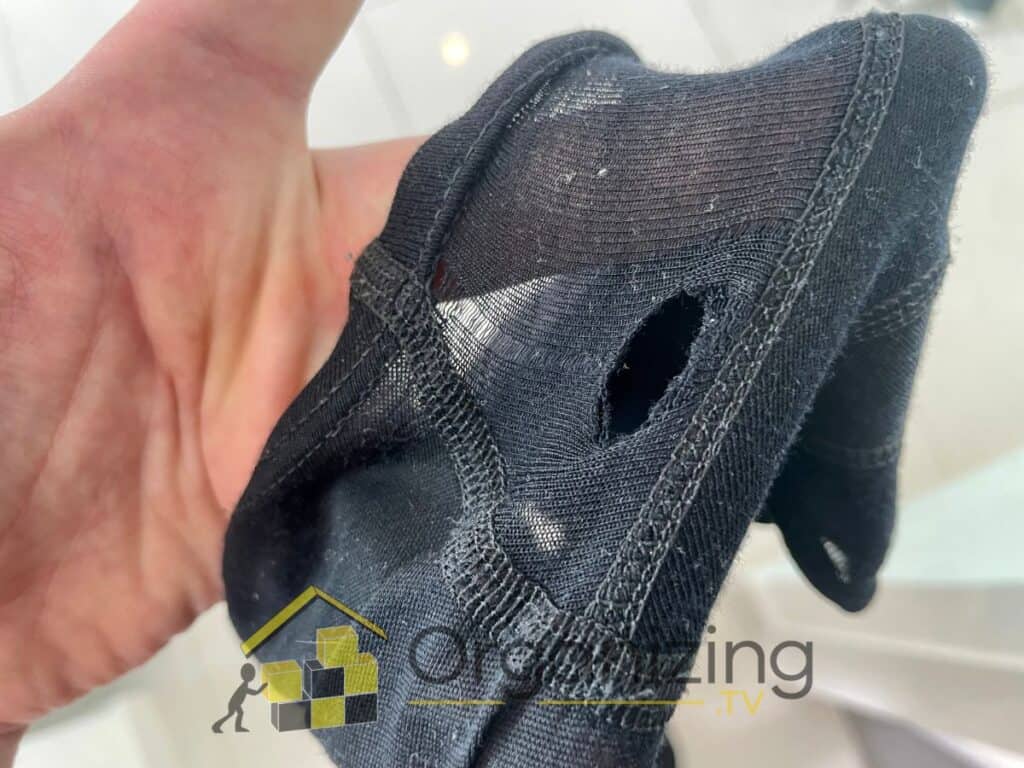
You might notice that the fit of your favorite pair changes over time. Even though it was immensely comfortable when you first bought it, your preferred undies don’t fit as well as they used to.
The fabric tends to wear out over time regardless of the material used to make your underwear. This is especially true for elastic fabrics, which will stretch out after you’ve worn them so many times.
Additionally, fabrics wear out from stretching, movement during wear, and laundry cycles, especially if you throw them with the rest of your laundry.
Moreover, if you tend to sweat a lot, you might wash your undies with powerful detergents to eliminate the smell. However, they can damage the fabric of your delicates easily.
To avoid the inevitable wedgie that old underwear causes, I would highly suggest you go through your underwear drawer, throw out any pair you’ve had for a long time, and buy new replacements.
3. Have Enough Undies To Avoid Wearing Them Out Quickly
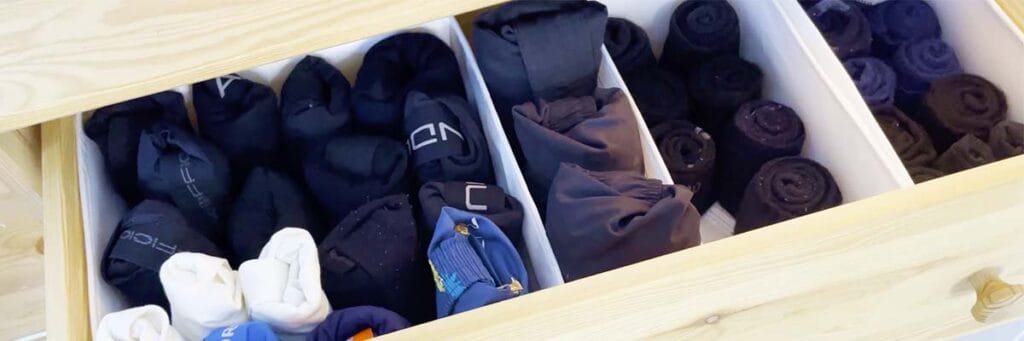
As I’ve just mentioned, putting your clothes in the washer and dryer will take a toll on the fabric. You don’t want to wear out your underwear too quickly, so I highly suggest having enough pairs so that you don’t have to wash them so often.
Some experts claim that 20-25 pairs of underwear are the ideal number you should own. Not only will this ensure that you don’t run out of underwear before laundry day, it means that they will last longer, and you won’t get a wedgie from worn-out undies.
Of course, if you tend to do a lot of physical activity regularly that involves stretching and sweating, your laundry will need to be washed more often. As such, your underwear will show signs of wear a lot sooner than most and cause wedgies.
4. Opt for Cotton Fabric Undies for Daily Use
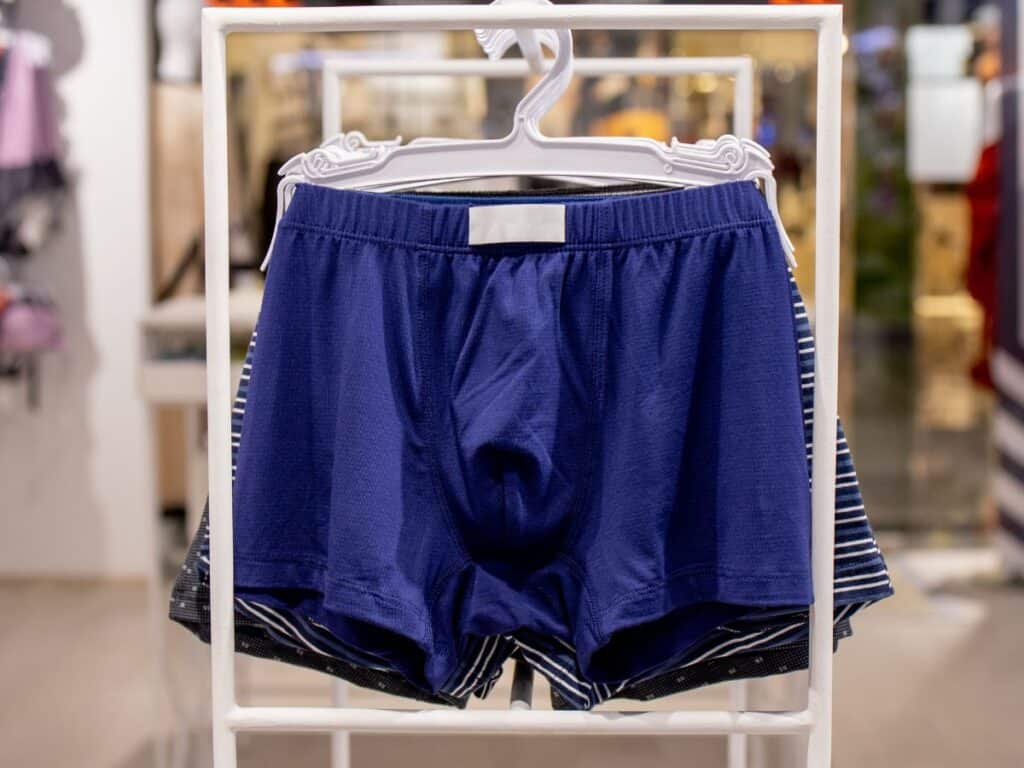
You’ve probably heard many people say that cotton is a breathable fabric. While there are other options, wearing underwear made primarily of cotton helps keep sweat and moisture in your nether regions at bay.
Remember that sweaty underwear rides up easier. Because cotton fabric allows for a lot more airflow, you will not sweat as much when wearing cotton underwear. You will also notice that cotton is much softer than other fabric options for undergarments and can be hypoallergenic.
If you feel that cotton is too thick, you can still opt for a cotton blend. Just ensure that the majority of the fabric blend is cotton and that you aren’t allergic to the other materials. A mix of cotton and polyester is a great option for underwear.
5. Opt for Quick-Drying Fabric for Workouts, Not Synthetics
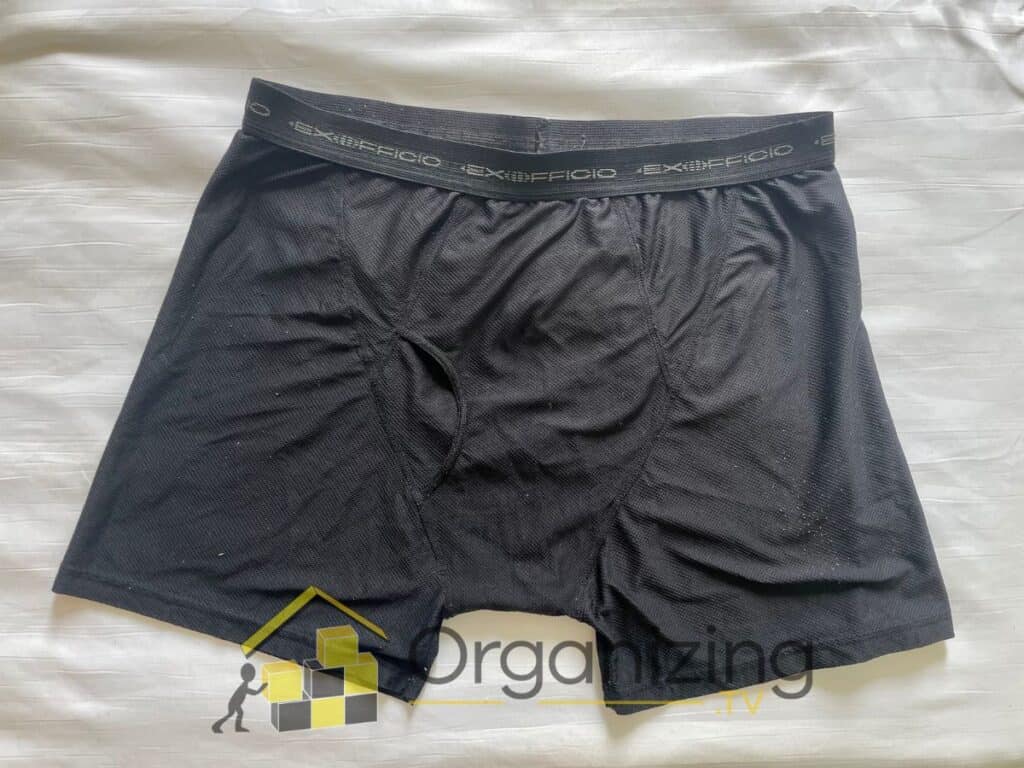
Even though cotton underwear allows you to sweat a lot less, pure cotton fabric doesn’t dry quickly. If you’re going to be performing any type of strenuous physical activity that will cause you to sweat, don’t wear cotton underpants.
While wearing pure cotton undies, you’d find that all the sweat your underwear has absorbed throughout your workout stays absorbed. The fabric doesn’t dry out in time and bunches up between your buttocks.
The simple solution, in this case, is to either change your underwear directly after a workout or choose a different fabric type for your workout sessions.
I suggest wearing a blend of cotton and another quick-drying material but stay away from synthetics. Even though synthetic fabrics tend to be more durable, they aren’t as elastic. Due to the lack of elasticity, underwear made with synthetic materials might ride up into your buttocks even if it is the right size.
6. Experiment With Underwear Elasticity
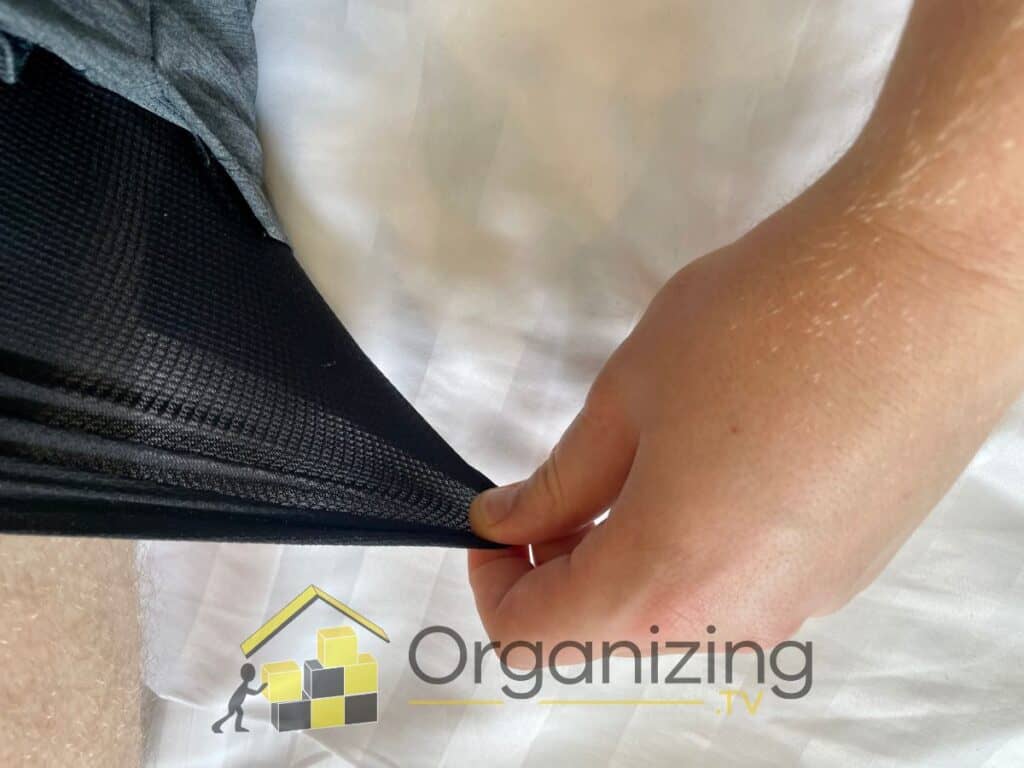
Elasticity is an important feature to look for in any underwear you plan to purchase. However, there is a limit to how elastic you want your undies to be.
The best thing to do is try out different underwear with varying levels of elasticity, but you’ll need to find the right balance. Look for a stretchy material that will allow you to move more freely, but avoid underwear that gets too tight, which could also cause wedgies.
I would also suggest investing in more expensive underwear because higher-end brands will typically use better fabrics that are more elastic and durable than cheaper knock-offs.
Keep in mind that when trying to experiment with different fabric types, you should avoid shopping online. Even if you know the specifics of the fabric blend used, nothing beats actually feeling the fabric between your fingers and testing how it stretches in your hand.
7. Choose Undies With Thicker Fabrics

- Moisture wicking – keeps you cool and dry
- Non-binding plush waistband
- Low profile leg bands for stay-in-place comfort
- Friction free seams; colors may vary

Although it might feel like less fabric is better for counteracting a wedgie, it is more difficult for thicker underwear to move around. It also means that the underwear will absorb more sweat.
While you should still opt for breathable underwear to avoid getting too much moisture stuck between your private parts, the thick fabric ensures that it is more durable and won’t stretch out so quickly.
As mentioned, delicate panties tend to stretch out and lose their elasticity when you run them through the washer and dryer. However, thicker fabrics give your underwear the ability to withstand a moderate laundry cycle and keep them from causing wedgies as they aren’t stretched out as much.
8. Get Full Coverage Undies
Finally, you should choose a style of underwear that will cover up as much of your backside as possible. Getting more coverage is not necessarily about modesty or being prudish. It is simply a matter of physics: more fabric means the underwear isn’t strained as the cloth tries to cover up your full buttocks.
For example, a thong might look visually appealing. However, there is very little material to cover your derriere, which will probably end up in between your buttocks instead of neatly where it’s supposed to be.
The following underwear styles will give you more coverage and reduce the likelihood of you suffering from a wedgie.
Boxer Briefs for Men
Traditional men’s cotton briefs sometimes give very little coverage and can be uncomfortable for some. On the other hand, boxers might allow a lot of airflow, but they have a lot of excess fabric that can get bunched up easily.
Boxer briefs are a good option because they are typically made of a blend of synthetic and organic materials to give a balance between elasticity, breathability, and durability. Also, the way they are designed makes it difficult for the fabric to ride up very far.
Boy Shorts for Women
- VALUE YOU EXPECT – Available in a convenient 6-pack of assorted boyshort panties for one-and-done-shopping.
- STAY COOL – Innovative moisture-wicking fabric keeps you feeling fresh and dry all-day long.
- FULL-COVERAGE – Classic boyshort styling offers full front and back coverage.
Taking a note from menswear, designers have created a slightly feminine version of boxer briefs. Boy shorts will give you the most coverage while still looking good.
An additional advantage of boy shorts is that they are somewhat form-fitting and can serve as a type of shapewear underneath your clothes.
However, it is worth mentioning that some women feel that boy shorts have too much fabric for everyday wear. Nonetheless, you can try them to see if you’re comfortable in them, as it is highly unlikely that you’ll get a wedgie in boy shorts.
If you don’t feel comfortable with the additional fabric on your thighs, you can wear them with jeans or other pants. Boy shorts can also be very comfortable if you wear them to sleep or under light summer dresses. You won’t get a wedgie, and you’ll have more freedom to move around.
Cheeky Panties for Women
- SEAMLESS CHEEKY BRIEFS FOR UNDER YOGA PANTS & FORM FITTING CLOTHING: These no-show underwear for women, made from a premium 84% nylon and 16% spandex blend, offer a precision laser-cut cheeky panty design. Achieve a seamless fit under yoga pants or any form-fitting attire, ensuring an invisible, smooth appearance without visible lines. Experience exceptional comfort without compromising on style
- UNMATCHED QUALITY & VALUE: Indulge in superior quality and unbeatable value with this pack of cheeky bikini panties. Highly recommended for their exceptional quality and “buttery softness,” slip into these bikini seamless underwear for a luxurious feel that’s a perfect fit, ensuring you feel confident and comfortable without compromising on price.
If boy shorts aren’t feminine enough for the look you’re going for, or you’re uncomfortable with all that extra fabric, consider wearing cheeky panties instead, as they give much more butt coverage.
Keep in mind, however, that these panties will still get bunched up and cause a wedgie if you are not wearing the right size or if they don’t fit you well. Know your size or get measured professionally before you purchase cheeky panties.
Also, try to buy from higher-end lingerie stores to ensure you find one that perfectly fits you. If you have a fuller figure, I would suggest shopping from brands that focus on plus-size clothing because their sizes are more inclusive of different body shapes.
Why Do We Get Wedgies?
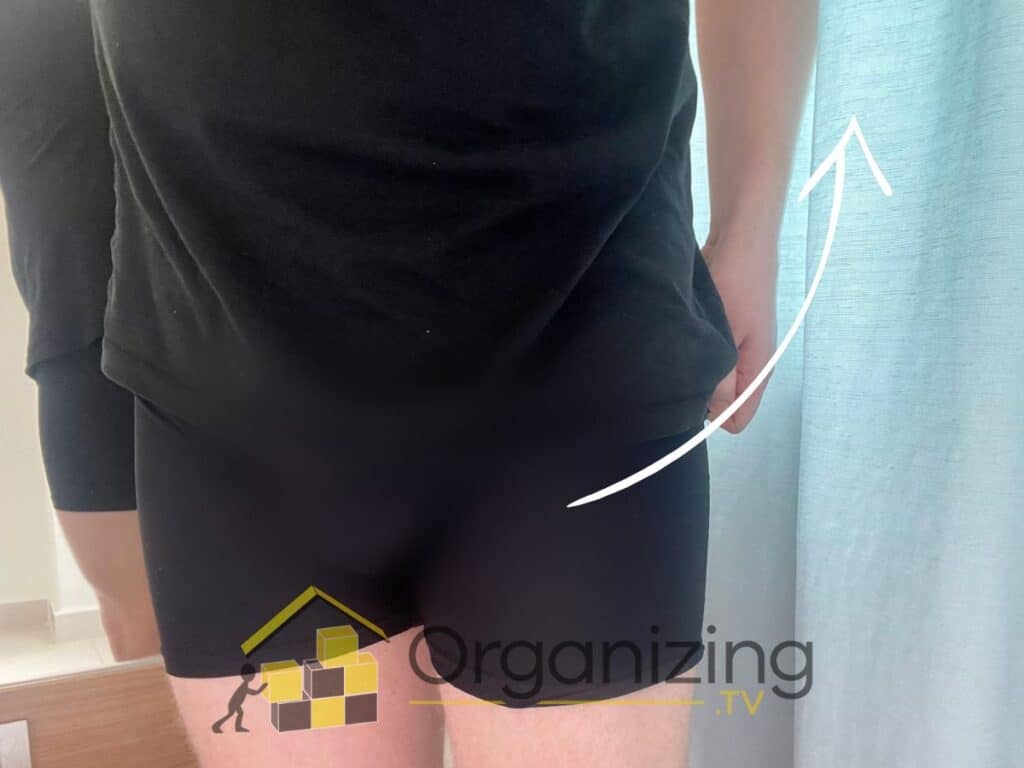
Excess fabric is considered the main culprit when your panties find their way going higher up through the cracks. When you wear underwear that is too loose, there is enough extra material to bunch up and make you uncomfortable.
However, that does not mean you should choose very tight underwear to counteract the problem. You can also get a wedgie with tight underwear, especially if your backside leans toward curvy because the fabric can’t cover the entire curve of the buttocks. There is less tension on the elastic threads if it rides up, causing discomfort.
Also, as I’ve mentioned earlier, wearing the right style of underwear is equally as important as finding the correct size. Some underwear styles, such as thongs and g-strings, will always give you a wedgie, no matter what type of fabric you choose.
Finally, sweat and other normal secretions from your skin make it easier for unwashed or old underwear to get wedged into your backside.
Conclusion
You don’t need to suffer the discomfort of wedgies anymore. All you have to do is select the right pair of underwear for you. Whether you get professional help for your measurements or experiment with different brands, fabrics, and styles, you will need to get well-fitted underwear.
Proper fitting underwear will ensure that you never find yourself in public feeling uncomfortable and wondering if you can hide against a wall and inconspicuously pull out that wedgie.
You can learn how to keep the rest of your clothes from riding up as well over here.

I’m an expert wardrobe organizer and a bit of a clean freak. I created this website and its YouTube channel to share practical guides about laundry and organizing. My teachings have been featured in multiple large news publications, and I’ve self-published two wardrobe organizing books and an entire course on the subject.