
There’s nothing better than putting on a nice white shirt or dress, but do you avoid buying white clothes because you’re scared of them turning grey? How can you stop your white clothes from turning grey in the washer?
Your white clothes may be turning grey in the washer if you’re not using the right amount of detergent. Over and underestimating how much soap to use can lead to the greying fabric. However, even measuring detergent perfectly on its own might not be enough to keep your clothes white.
In the rest of this article, you’ll learn the most likely reasons why your previously white clothes are now grey. You’ll also learn how to prevent it from happening in the future, and you may even be able to reverse the damage that’s been done so far.

Reasons Why Your Clothes Are Turning Grey in the Washer
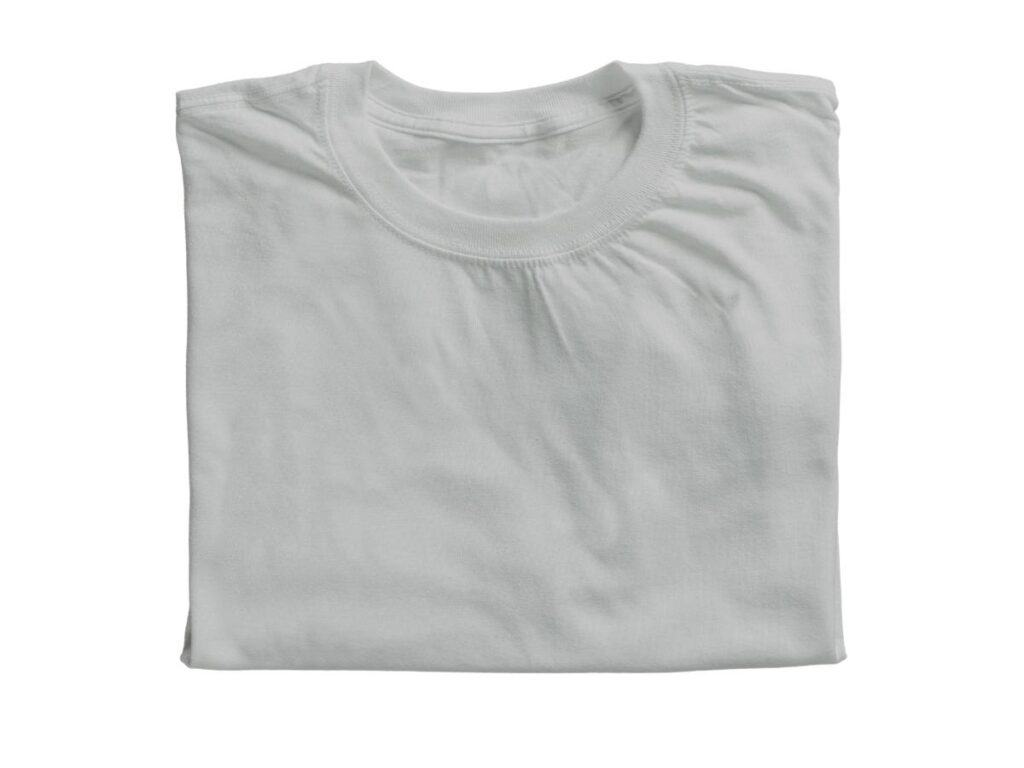
If you’ve ever pulled out your nice white clothes from the washer, and they seem rather dingy, even after you thought you did everything right, you’re probably wondering why it happened. It could be because you either used too much detergent or not enough detergent.
Let’s take a closer look at why they might be turning grey.

You’re Not Using the Right Amount of Detergent
You may think there’s no harm in adding in a little extra laundry detergent or not putting in the exact amount that’s on an article of clothing’s care instructions. That couldn’t be further from the truth as far as the color of your clothing is concerned.
In fact, putting in the right amount of detergent can keep your clothes looking new.
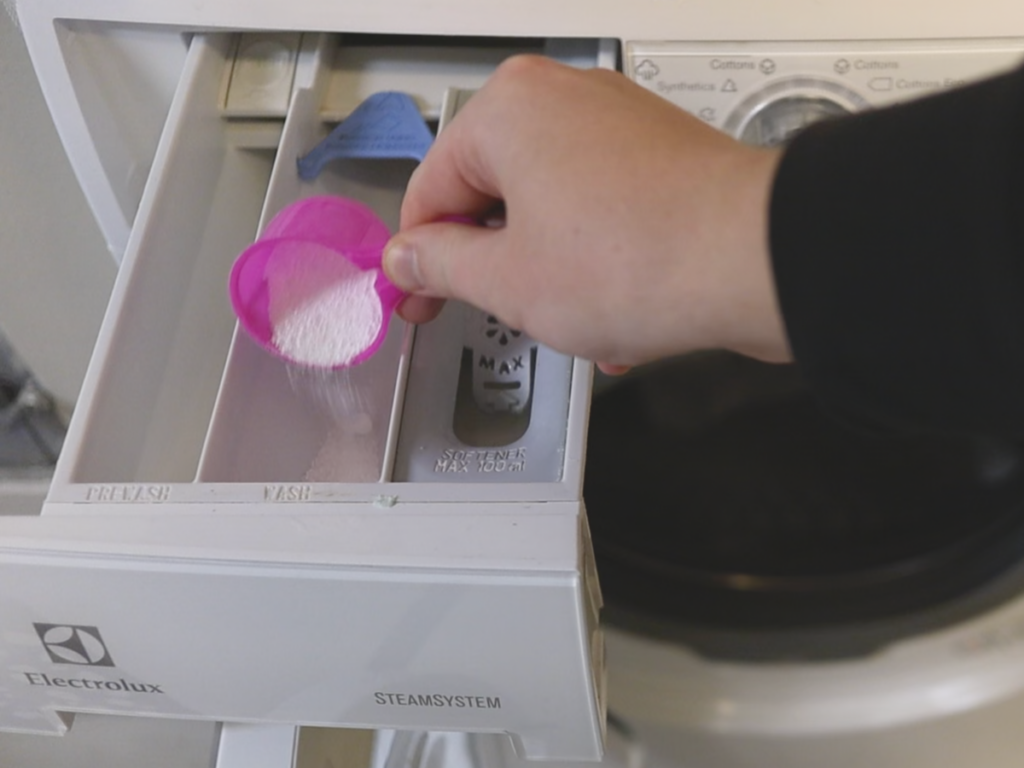
Too Much Detergent
If you overestimate how much soap you need, this can grey your white clothing by causing soap and limescale to build up. As a result, your clothes will eventually develop a grey layer that essentially is the same as if you had a set stain.
Not Enough Detergent
On the other hand, if you don’t use enough laundry soap, you won’t be saving your white clothes from discoloring either. Even if your clothes don’t visibly look dirty, they accumulate dust and grime as you wear them, which is why you wash them.
If you don’t add enough detergent to your laundry, you won’t effectively wash your clothes, so some of the dirt will remain. This grime will transfer between all the items you’re cleaning and will, over time, also cause white clothing to turn grey.
How To Fix It
Many clothing items have care instructions for washing. If your white clothing does, make sure to follow those instructions as closely as possible.
If you can’t find any directions on how to clean your white clothes properly, make sure to follow the instructions on the detergent bottle and try to only use a detergent that’s specifically for white fabric.
You’re Not Sorting Your Clothes Properly

You probably heard your mother talk about sorting clothes before they’re washed, or you may have even noticed “wash with like colors” written on a tag inside a clothing item. While it might have made you roll your eyes back then, it’s something you should be doing now.
The colors of dyed fabric will transfer when they’re washed.
This usually isn’t something that typically happens noticeably once an item has been washed a few times. If washed with similar colored items, white clothes are particularly susceptible to this sort of discoloring.
Washing white clothing with other colors, even other lightly colored items, can lead to your clothes taking on a grey hue when they used to be bright white.
How To Fix It
This is an easy problem to prevent in the future. You can even fix it now, as all you need to do is wash only your whites together with whitening detergent.
Sort your clothing before you do your laundry. While you don’t need to sort every individual color, it’s recommended that you sort out any of your white clothes, in particular, so they’re all washed together.
Even if you don’t own much white clothing, washing them separately from all your other laundry will save you the heartbreak of greying whites in the future.
You’re Overpacking Your Washing Machine
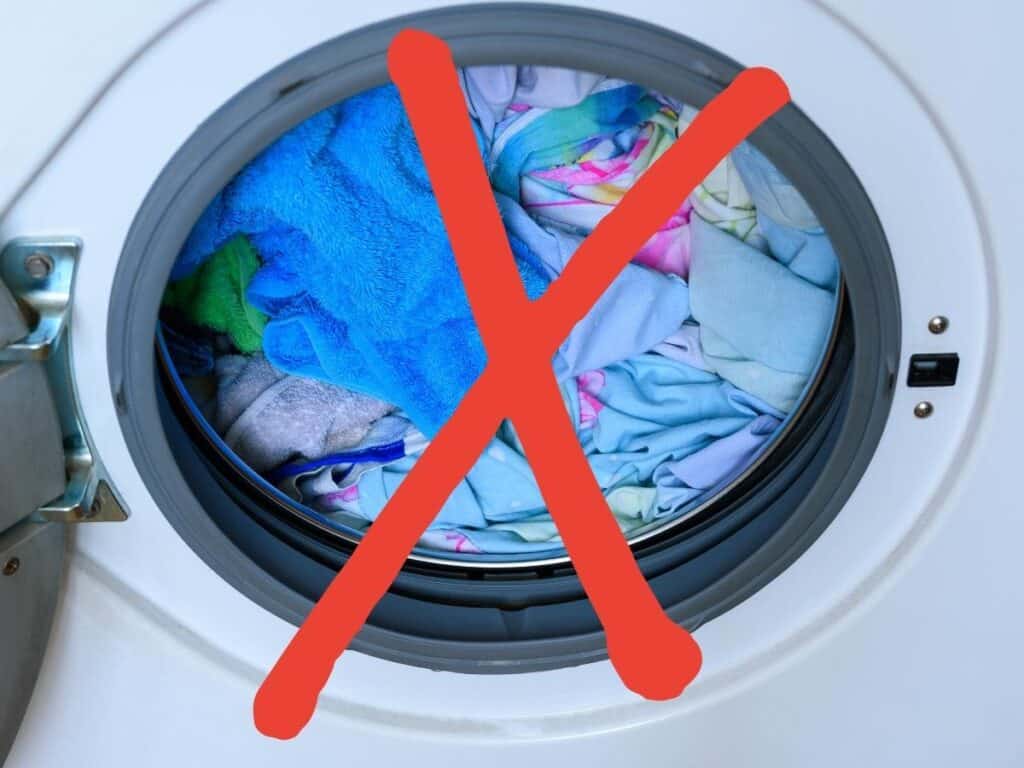
No matter how big of a washing machine you may have, it’s possible to overstuff it with too much clothing.
When you try to wash too many items at once, you won’t be able to fully clean any of them, even if you follow point #1 on this list and use the exact amount of detergent you’d normally need.
If you do that once or twice, it probably won’t do much to the color of your clothing. However, if you make it a habit, grime will start to build up, and your clothes will begin to discolor. This happens even faster with white clothing items.
More on loading your washing machine in this article.
How To Fix It
Make sure you know how much laundry your washing machine can take. That amount will be your absolute maximum, so try to stay below it. Of course, you don’t have to leave your washing machine half empty, but if you struggle to close its door, for example, that’s a good indication that you’ve overstuffed your machine.
Your Water Hardness
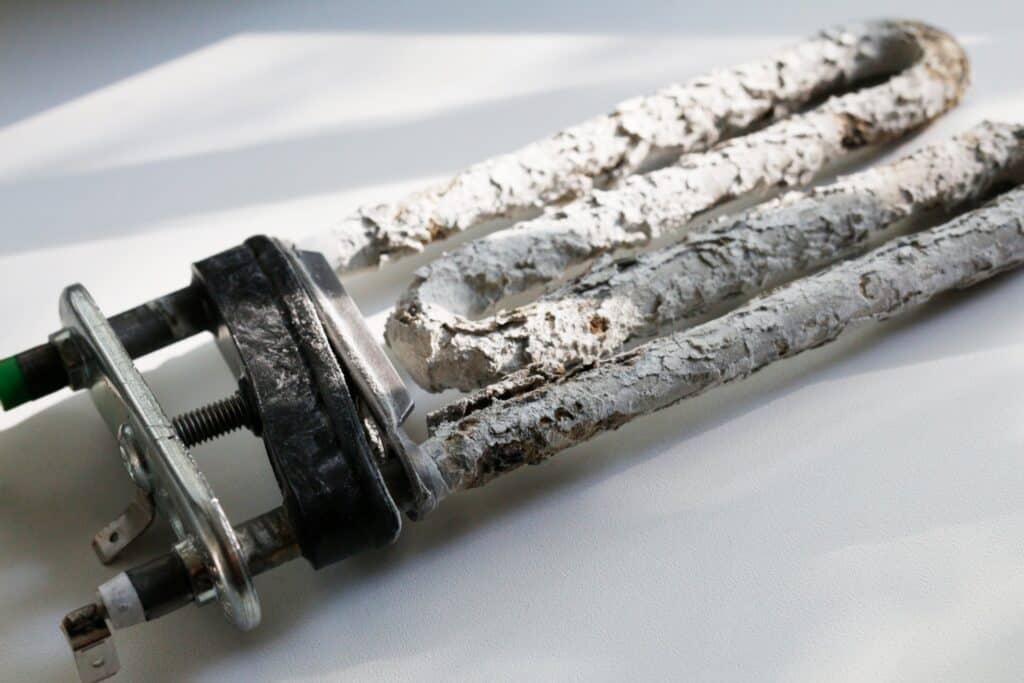
The last common factor that could be responsible for turning your white clothes grey is your water hardness.
If you have “hard” water, that means you have more minerals in your water that can build up on your clothing while you wash them. You may not notice any changes to clothing that’s been dyed in different colors, but white clothes will make this sort of accumulation very noticeable.
How To Fix It
Do a little research into your home or city’s water provider to find out how hard your water is, or find an at-home test that you can do to get an estimate of your water hardness. Once you know how hard your water is, make sure you use the correct amount of liquid detergent to help prevent mineral build-up.
You should also make sure that you regularly clean your washing machine to eliminate any limescale that might be building up, which can cause your clothing to change color.
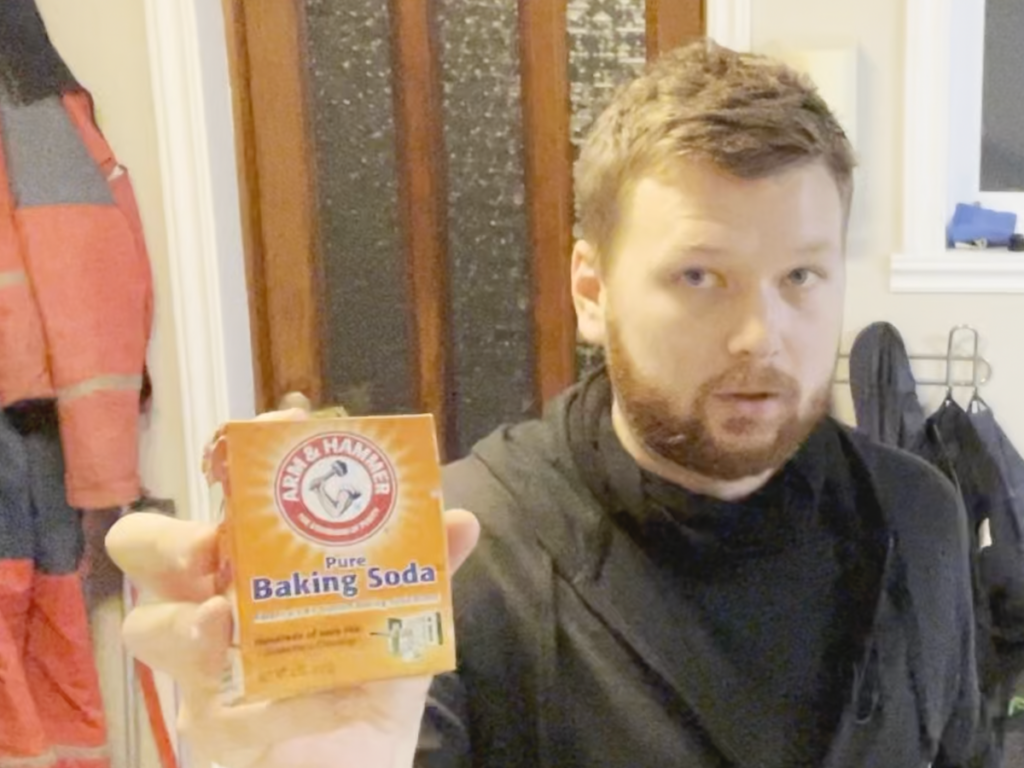
Adding a little baking soda will also help a lot if you’re using powdered detergent. I recommend adding 1/4 baking soda to help soften up the water.
If you’re using liquid detergent, you can consider replacing your fabric softener with 5% white vinegar to soften the water as well. Vinegar has a lot of the same effects as fabric softener on your clothes while also helping with your hard water.
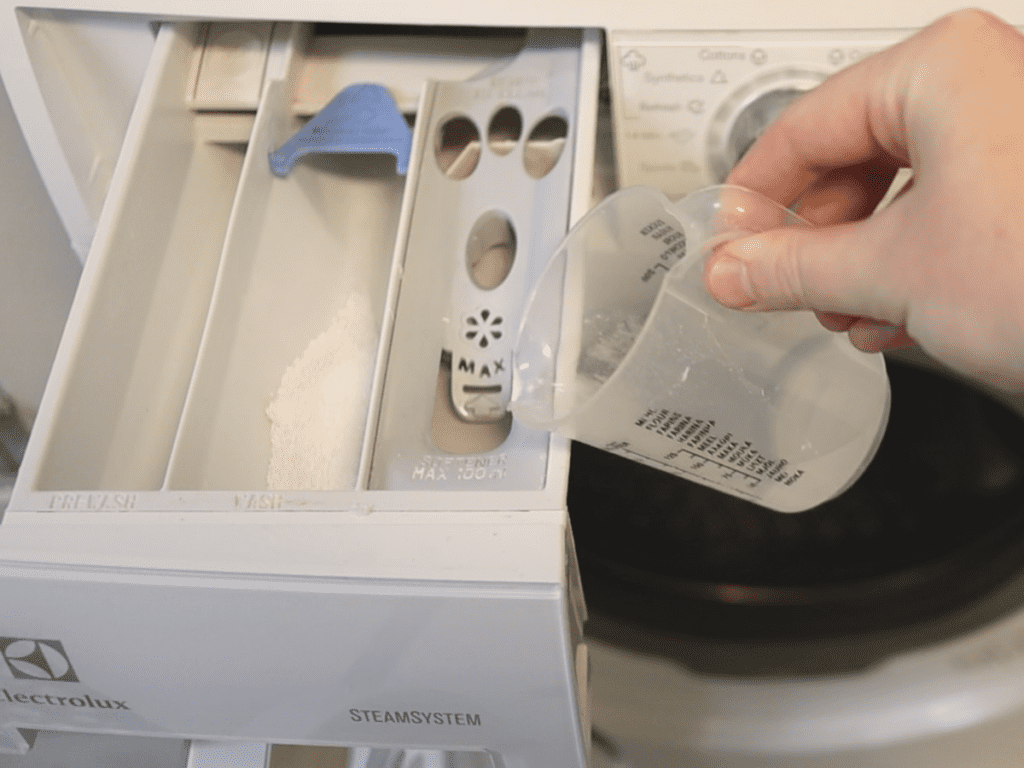
How To Fix Grey Clothes
While there’s no end-all fix for clothes that have already turned grey, there are a few solutions you can try to restore your clothing to its original white color:
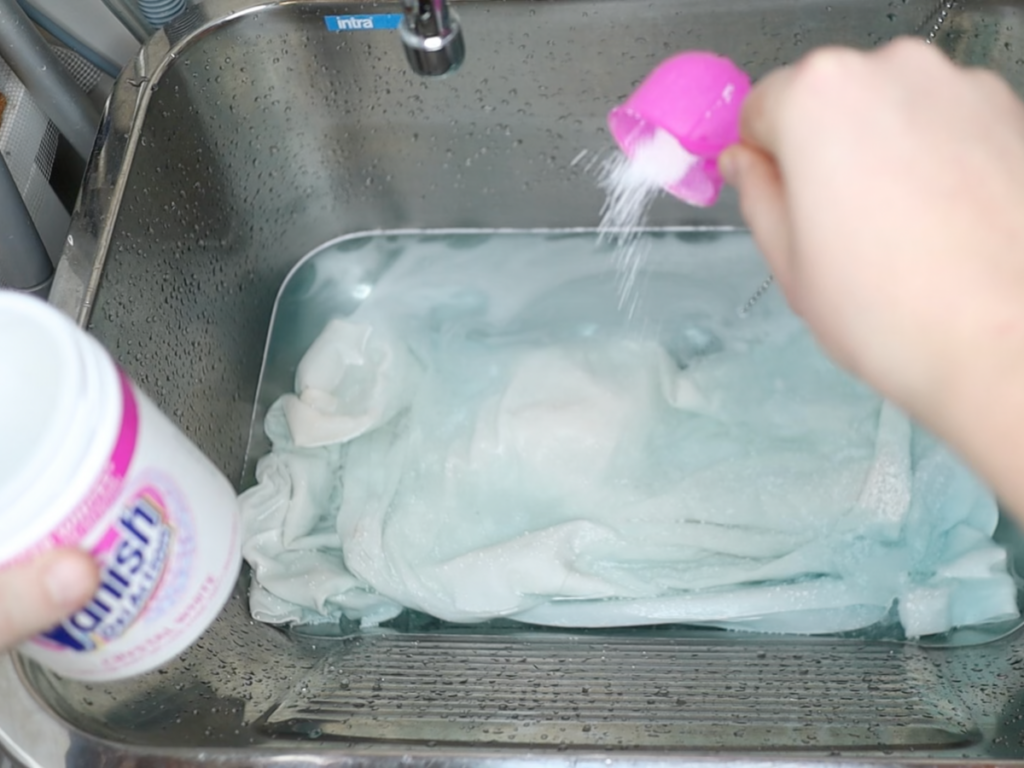
- Using bleach made for white clothing items might help bring out some of your clothing’s original coloring.
- You can try to use stain remover if you notice grey splotches rather than overall discoloration.
- Try to soak your greying clothes in 15 parts hot water and one part baking soda. For example, put 1 cup (236 mL) of baking soda in a gallon (4.55 L) of water for a few hours before putting them in the washing machine.
Conclusion
Having your white clothes turn grey is a headache, but it can be prevented. Most of the factors that can cause your clothing to discolor can be avoided with a bit of care and patience.
If you make sure you properly wash your clothing and adjust your laundry routine to suit your washing machine and your home’s water hardness, you won’t have to worry about your white fabric greying ever again.
I wrote a comprehensive guide on why your clothes are changing color that covers every type of discoloration. Feel free to check it out next.

I’m an expert wardrobe organizer and a bit of a clean freak. I created this website and its YouTube channel to share practical guides about laundry and organizing. My teachings have been featured in multiple large news publications, and I’ve self-published two wardrobe organizing books and an entire course on the subject.