Are you being embarrassed by your bra straps falling every time? Worry no more. I’m going to help you understand the reason behind this and possible solutions. It is annoying, unattractive, and uncomfortable to have bra straps that slip off the shoulders.
Why Do Bra Straps Keep Falling?
Falling bra strips are very common, especially the most annoying bra problem most women face. Although it starts as an every-once-in-awhile bother, it eventually becomes a common problem to deal with, almost driving you crazy.
Luckily, this super annoying problem is also very easy to correct! Continue reading this article to get all the tricks to keep your bra straps up to where they should be.16 Reasons My Bra Strap Falls Off the Shoulder
Below are some of the common reasons your bra strap may fall off your shoulder.
1. Loose Straps
This is the most obvious reason though it is often overlooked. Once you get a bra, you always resize the straps so that they fit properly. After that, how often do you adjust your bra straps?
As you confirm if your straps are of the correct size, they should obey a two-strap tension rule such that you can insert two fingers between your shoulder and straps without any resistance.
2. Straps are Too Long
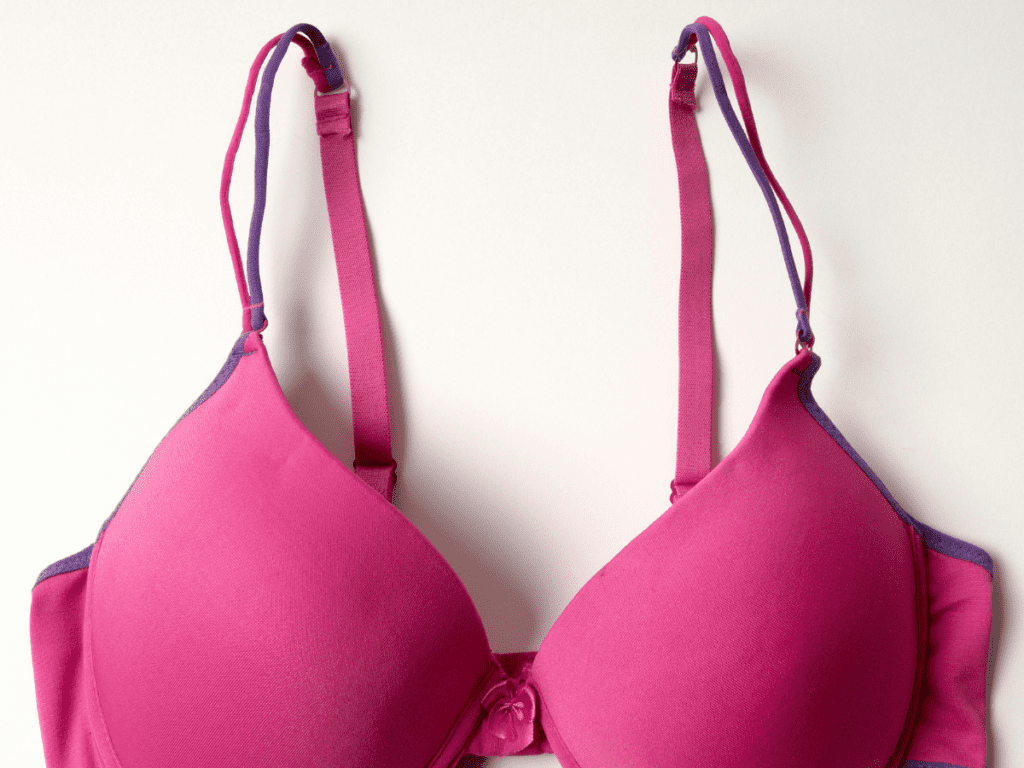
Most bras do not provide much leeway for the strap resizer to move. If you like using bralettes and styling outfits with bralettes, you might realize that the strap length is not flexible at all. The straps are still too long, even in their shortest length.
3. Short Torso
There is no benefit to having a short torso. The length between your shoulder and breasts might be less to fill the stretch of the bra strap. You can try a different bra size as you may require a smaller one.
4. Petite Body Frame
If you have a petite body frame, you should make a little effort to acquire a brand that offers petite sizes. Such brands are not common. However, your straps will not fall off if you manage to get them.
5. Disproportionate Body Parts
Have you heard about boobs being of different sizes, one bigger than the other? Same as one arm or one leg being shorter than the other, making your stance disproportionate. This could be the reason why your bra straps fall.
6. Hunched Posture

With time, the rigidity of your bra can make you subconsciously hunch over it. This can loosen up straps in the front part and fall. If you find yourself in such a situation, try to stand straight.
7. Scoliosis
If you have scoliosis, bra straps can be the worst nightmare. This condition makes your shoulders misaligned; the lower one allows your bra strips to fall off your shoulder.
8. Narrow Shoulders
Most women have shoulders that are wider than others, while others have shoulders that are narrower than usual. When it comes to the cup and band size, most bras offer a variety.
It is not easy to get a bra with enough cups but closer straps. Look for a bra that has a j-hook. This feature is found in most convertible bras and can assist in keeping your straps up and covered.
9. Downward-sloping Shoulders
On the other hand, women with sloping shoulders will have a big problem maintaining their straps in place. The bra strap has a big chance of slipping off one shoulder on your non-dominant side.
10. Big Bra Cups
Sagging is a serious problem. As you get older, your breasts finally give up to gravity. They lose their ability to support themselves.
This leaves a gap on top of your cups, which could be the reason your bra straps are falling off your shoulders. When this happens, look for a supportive bra.
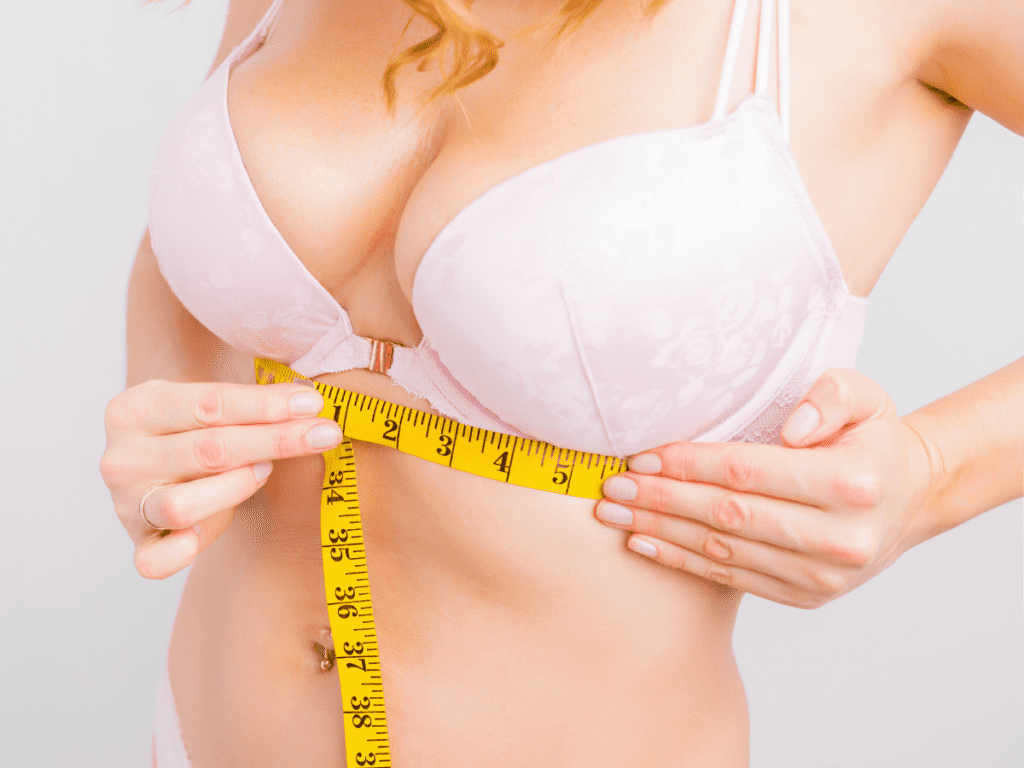
Your straps are less likely to slip if your cup provides more coverage on your boob. Because the strap will be closer to your neck, it will be more difficult to fall.
Try wearing a shelf bra if you don’t want to bother with your straps falling off your shoulders all day.
11. Bra Extenders
You can probably guess where the difficulty comes from by looking at the name. If you need extra inches, bra extenders can help stretch the band of your bra. The problem with this is that it spreads your straps wider, making them more likely to fall off.
12. High Band at the Back
If the back band of your bra wraps straight around underneath your shoulders, you’re wearing it correctly. Strap slippage might occur if your bra is worn too high on your back.
13. Loose Band
If your bra remains in place when you snap it together at the back does not mean it fits right.
Even though the band appears to fit, you may need to resize it. It’s not just about looking good. The band must be snug around your body in order for the straps to stay in place, similar to a bandeau.
14. Wrong Bra Style
There are bra styles for every body type, just as there are apparel styles for every body type. Consider switching bra styles if your straps are slipping and sliding. If the straps on your bra are bothering you, consider switching to a strapless bra!
15. Loose Elastic
Your bra’s elastic isn’t designed to last forever as it will stretch out with time as you wear it. Even if you adore your 8-year-old bra, it’s probably time to upgrade to a more supportive type.
16. Old Bra
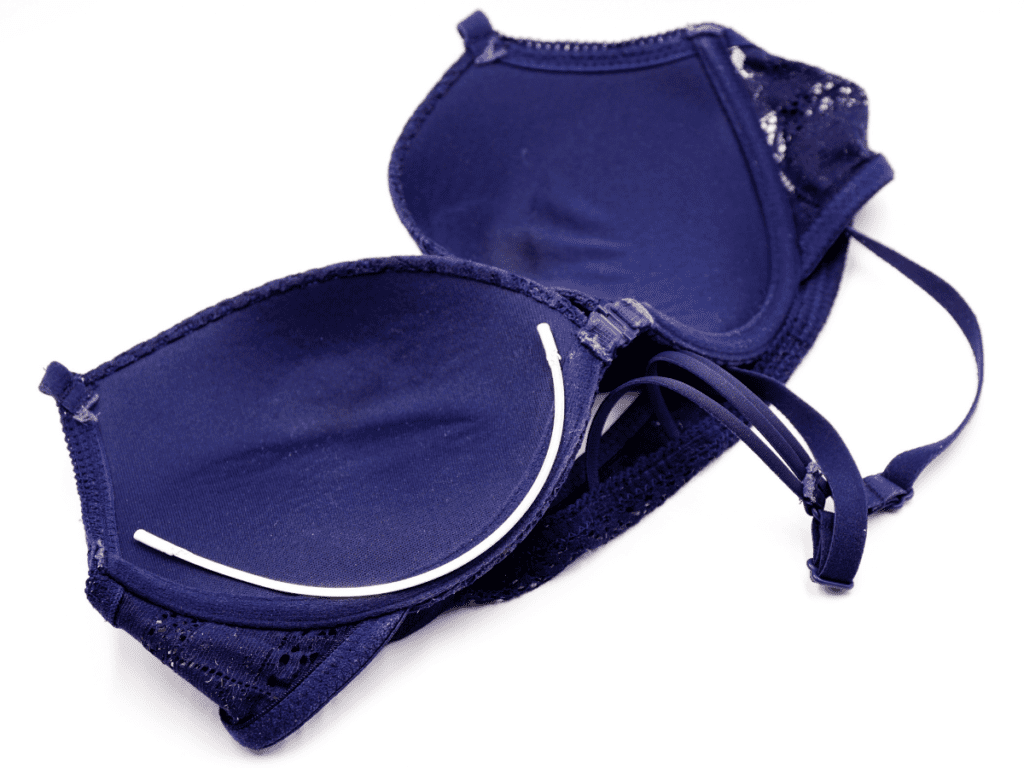
When it comes to bras older than eight years, there’s not much you can do. The band rides up, the cups don’t hold your breasts in place, and the bra straps are practically at your elbow.
How to Keep Bra Straps from Falling Down
There are several methods you can use to ensure your bra straps remain in place:
Method 1: Using Products to Keep Bra Straps from Slipping
There are lots of available products you can buy, or find around your house to use.
Use a strap clip to pull the straps together


If your bra fits well, but the straps always slip, you have narrow shoulders, and therefore, you should consider using a strap clip to pull your bra straps together. You need to slide the clip onto the strap and join it to the other strap.
Here is an elastic bra strap holder from Amazon (paid link).
Use a bra strap cushion


Does your bra strap dig into your skin? Thanks to the bra strap cushion, it saves you by providing relief and maintaining the straps in place.
The cushion is placed between your shoulders and your bra straps and can be attached to the straps Velcro.
Buy bra straps cushions on Amazon (paid link).
Use a safety pin
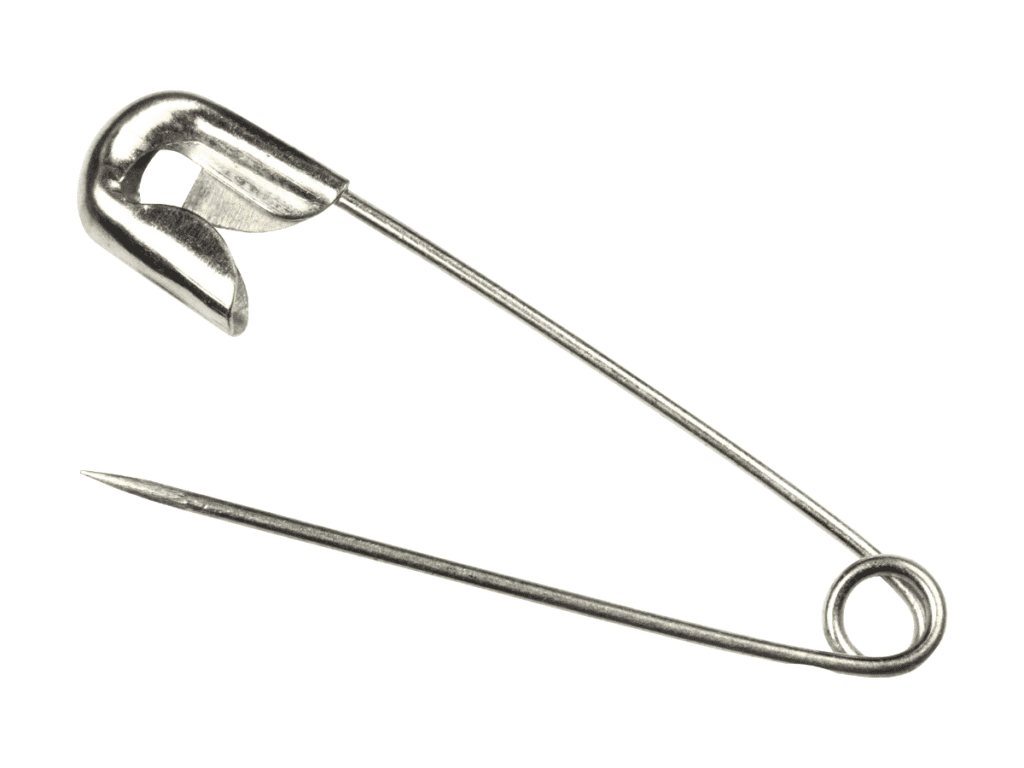
Using a small safety pin, attach your bra straps to the shoulder seams of your top (shirt or blouse) for a quick fix. Ensure the seams hide the pins.
Use fashion tape to attach bra straps to your skin


A fashion tape is a transparent adhesive supplement on your bra straps that help them stick to your skin. Attach the double-sided tape to the underneath of your bra strap and then the other side to your skin to keep it in place.
Buy fashion tape on Amazon (paid link).
Method 2: Adjusting your bra
Hook your bra to restrict it from stretching
Once you latch your bra on the loosest hook, you can tighten it as much as you wish, though this can lead to the band stretching. Otherwise, it is wise to go for a bra that fits well on the last hook, as a loose band may make your straps slip more.
Make your bra straps tight such that you can fit one finger beneath them.
Your straps should be snug enough to stay in place to offer enough support but not so tight that they pull your bra band out of place. If your straps are too tight, you will if they create marks on your skin after removing your bra.
Maintain the back of your bra even with the front

Pull the back of your bra below your shoulder blades such that it is at the same level as the front. When the back is too high, it makes you uncomfortable and makes the straps fall.
Ensure you are wearing the correct size bra
It is easy to choose a bra that fits properly if you know your correct bra size. Whether you know your size, you should still try on bras to ensure they fit properly, as there may be changes in size between models or brands. If there is too much room in the cups or the band, the straps will not be pulled tight enough and slip.
10 Best Bra Strap Holders you should have
Having slipping bra straps is the worst experience one could ever wish to face. It has happened to all of us: we’re dressed up in our favorite gorgeous dress, ready for a night out, and the straps on our arms start showing.
A bra fitting could be the solution; possibly, your bra isn’t fitting properly. However, there are items specifically designed to keep those pesky straps in place! These bra strap holders are the solution to your issues.
All of the links in this section are paid links to the products on Amazon.
1. CAKYE Women’s 5 Piece Non-slip Elastic Bra Strap Holder Clips
Buy on Amazon: CAKYE Women’s 5 Piece Non-slip Elastic Bra Strap Holder Clips
These clips keep the shoulder straps of your bra from slipping. The length may be adjusted, and it is both robust and elastic. Each package includes one set of four strap holders and one clip.
2. Charm Skins Bra Strap Clip Holder Hook


Buy on Amazon: Charm Skins Bra Strap Clip Holder Hook
With the Bra Converting Clips from Hollywood Fashion Secrets, you can convert any bra into a cross-back style without having to buy a new one. The clips keep your bra straps covered and prevent them from slipping, but they also instantly raise your breasts.
3. Maidenform Women’s Elastic Bra Strap Holder
Buy on Amazon: Maidenform Women’s Elastic Bra Strap Holder
This is a three-pack of white, nude, and black bra strap holders. They make bras complement racer-back tops and dresses while keeping bra straps off the shoulders.
4. Bra Converting Clips from Hollywood Fashion Secrets
Buy on Amazon: Bra Converting Clips from Hollywood Fashion Secrets
With the Bra Converting Clips from Hollywood Fashion Secrets, you can convert any bra into a cross-back style without having to buy a new one. The clips keep your bra straps covered and hinder them from slipping, but they also instantly raise your breasts.
5. LOHOME Bra Strap Holder


Buy on Amazon: LOHOME Bra Strap Holder
Prevent slippage of the bra shoulder strap using buckles as they are simple to open and close, and they come in a variety of colors. The straps can also be adjusted.
6. Dritz Bra Strap Holder in Clear


Buy on Amazon: Dritz Bra Strap Holder in Clear
When wearing strapless or thin strap shoulder shirts, this handy strap keeps your bra straps from falling off your shoulders or being visible. It comes in a range of sizes and has a little flexibility that makes it more comfortable than solid plastic strap holders.
7. YOYOSTORE Bra Strap Cushions Holder
Buy on Amazon: YOYOSTORE Bra Strap Cushions Holder
This excellent remedy to unpleasant bra straps digging into your shoulder also helps bra straps stay on by preventing indentation marks and retaining slipping straps in place. It’s an absolute must-have.
8. Noel & Co. Strap Tamers


Buy on Amazon: Noel & Co. Strap Tamers
With these little, smooth plastic clips, you can say goodbye to slipping straps. They’re a terrific investment because they’ll last for years!
9. Cadabra Bra Strap Holder


Buy on Amazon: Cadabra Bra Strap Holder
This is the only single-style bra strap holder available in three sizes to ensure the perfect fit. To put the straps closer together or increase cleavage, choose a small size and for everyday wear, choose the medium size. Also, the large size is ideal for modern bras with wide straps and larger cups.
10. SUREMATE Invisible Clear Bra Straps


Buy on Amazon: SUREMATE Invisible Clear Bra Straps
Clear bra straps are made of eco-friendly materials that are kind to the skin and won’t irritate it. Both the straps and the hooks are clear!
Conclusion
Knowing the reasons will prevent you from wondering why your bra straps keep falling off your shoulders. It’s a common occurrence that can affect anyone, but there are remedies. Knowing these causes and their solutions, you won’t be caught off guard the next time something similar occurs.
I also have a comprehensive guide on stopping all your clothes from falling down that may interest you to read next.

I’m an expert wardrobe organizer and a bit of a clean freak. I created this website and its YouTube channel to share practical guides about laundry and organizing. My teachings have been featured in multiple large news publications, and I’ve self-published two wardrobe organizing books and an entire course on the subject.